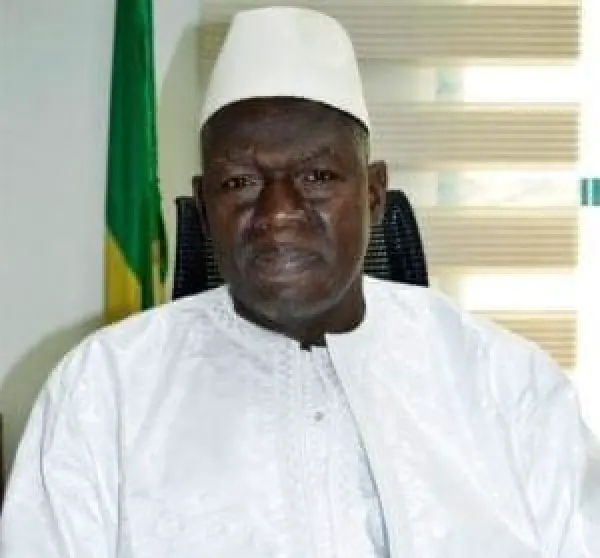
Mali's economic development is heavily dependent on its ability to produce skilled scientists, technicians, engineers, and innovators. According to economist and former minister Harouna Niang, the country's future prosperity relies on investing in STEM education. Currently, only 8.88% of secondary school students are enrolled in scientific programs, while 19.47% of university students pursue scientific fields.
The low enrollment rates in STEM fields are compounded by a gross secondary school enrollment rate of less than 40%. Niang identifies a dual problem: limited access to secondary education and a lack of interest in scientific and technological fields among those who do attend. This is concerning, given that strategic sectors such as mining, energy, agriculture, industry, and technology will require increasingly specialized skills.
The transformation of Mali's lithium resources, modernization of agriculture, development of solar energy, and creation of a digital industry require qualified engineers, researchers, and technicians. Niang emphasizes that the challenge lies in aligning educational offerings with economic needs. He argues that a country aiming to transform its natural resources must possess the necessary skills to create value-added products.
Investing in STEM education can improve youth employability, enhance technological sovereignty, and stimulate innovation. Niang cites international examples, including Senegal, Rwanda, and Morocco, which have prioritized scientific education. He suggests that Mali can learn from these countries and develop a national strategy to promote STEM fields.
To achieve this, Niang proposes establishing a prospective national mapping of skills to identify future needs in areas such as mining, solar energy, and digital technology. He also recommends setting progressive goals to increase the proportion of students in scientific and technological fields, while maintaining a balance with other disciplines.
Niang advocates for promoting STEM education from primary school, through better teacher training, practical work, and the development of school laboratories. He also suggests creating national STEM Olympiads to detect and value scientific talent and changing perceptions of science among young people and their families.
The former minister calls for a national mobilization of businesses, the scientific diaspora, and vocational training actors to support STEM education. He proposes a 2027-2035 National STEM Strategy, aligned with Mali's 2063 Vision, focusing on teacher training, scientific equipment, and partnerships between universities and businesses.
Key points
- Investing in STEM education can improve youth employability and drive economic growth in Mali.
- The country's low enrollment rates in STEM fields hinder its economic development.
- A national strategy to promote STEM education can help address youth unemployment and drive economic transformation.