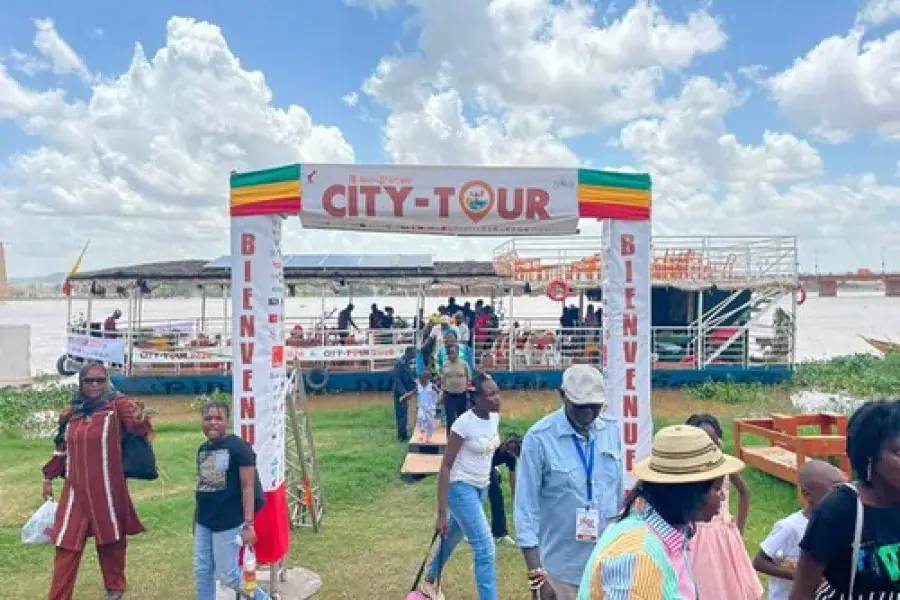
The Bamako City Tour initiative, launched in 2022, aims to promote domestic tourism and encourage Malians to explore their cultural heritage. The fourth edition, which took place from July 18 to September 27, 2026, offered five different circuits, including the Grand Tour de Bamako, a river cruise, horseback riding, and visits to the Centre Koungosso and Ferme Sidibé Agrotech. This program is managed by the Agence de promotion touristique du Mali (APTM), which identifies sites, structures, and circuits, and mobilizes travel agencies and guides.
The APTM has been working to develop domestic tourism as a solution to the decline in international visitors due to security concerns in popular destinations such as Djenné, Tombouctou, and the Pays dogon. According to guide Malick Sidibé, many Bamako residents are unaware of the historical significance of the monuments they pass by, and the City Tour aims to address this lack of knowledge. The APTM is responsible for designing, managing, and coordinating the City Tour, while private operators handle marketing and execution.
The fourth edition of the Bamako City Tour took place over 11 weekends, with five different packages available. The classic circuit included visits to the Musée national, Musée des Armées, Mémorial Modibo Keïta, Tour de l'Afrique, and Parc des Sofas. A river cruise to the île aux Crocodiles was also offered, which proved popular and led to additional departures on Tuesdays and Thursdays. According to Lassane Koné, promoter of the pirogue ZéméBa, he worked in partnership with the APTM and offered 40 crossings as part of the program.
Despite the benefits of the Bamako City Tour, some guides and operators have reported challenges, including limited availability of buses, difficulties with reservations, and delays. Seydou Traoré, a guide who has been involved in the program since its second edition, suggests that more buses and better-maintained vehicles are needed, as well as the installation of loudspeakers to facilitate the guides' work. He also notes that some participants prioritize taking photos over listening to historical and cultural explanations.
The cost of participating in the Bamako City Tour varied, with a classic circuit priced at 2,000 FCFA and a discovery circuit at 5,000 FCFA. According to the APTM, the public covered over 80% of the visit costs, and the sums collected from participants were to be redistributed to partner structures responsible for the services. The APTM's budget for the fourth edition was approximately 90 million FCFA, which does not include the revenues of travel agencies or the income distributed to guides, drivers, and other service providers.
The economic impact of the Bamako City Tour on local professionals is significant, with many guides and operators reporting increased income. Seydou Traoré notes that the initiative has allowed several guides to resume work and boost their economies. Banidiou Dolo, another guide involved in the City Tour since 2022, provides more details on the income generated by the program. He says he has accompanied visitors to museums, galleries, monuments, and other sites.
The Bamako City Tour has brought much-needed work to the tourism sector, which has been severely affected by security concerns. While there are challenges to be addressed, the initiative has shown promise in promoting domestic tourism and providing income opportunities for local professionals. As the program continues to evolve, it is likely to have a positive impact on the Malian economy and help to preserve the country's cultural heritage.
Key points
- The Bamako City Tour has provided income opportunities for local guides, operators, and service providers, helping to boost the Malian economy.
- The initiative has promoted domestic tourism, encouraging Malians to explore their cultural heritage and learn about their historical monuments.
- Despite challenges, the program has shown promise in supporting the local tourism sector, which has been affected by security concerns.