Mali's agricultural sector is facing significant challenges during the 2026-2027 campaign. Unseasonable dry spells and scarce rainfall have affected various regions, including Kita, Ségou, and Koutiala. Farmers are concerned about the impact on their crops, with many reporting delayed growth and potential yield reductions. The situation has raised worries about food availability and price increases. Farmers are calling for urgent support, including access to fertilizers and fuel.
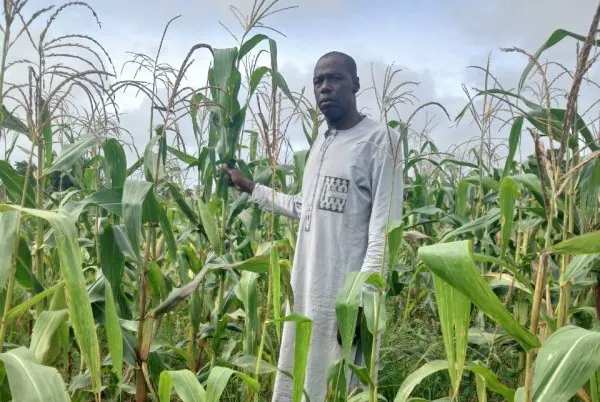
Noumou Keïta, a seasoned farmer from Madila, has expressed concerns about the campaign's progress. With over 40 years of experience, he has never seen a season like this. His 50-hectare farm, which grows various crops such as maize, sorghum, and rice, has been affected by the poor start to the rainy season. Keïta believes that the lack of sufficient rainfall has hindered crop growth, and yields may decline compared to the previous season.
The issue of agricultural inputs is also a significant concern for farmers. Access to fertilizers in sufficient quantities and at the right time is crucial for improving productivity. Keïta warns that the current challenges will likely lead to a decline in yields, emphasizing the need for reinforced support for farmers, particularly through the development of off-season crops.
In the Office riz de Ségou, farmer Hamidou Kouyaté reports a more challenging campaign than the previous one. The lack of rainfall in August, a critical period for crop installation, has had a direct impact on certain farms. Kouyaté notes that some fields have not been exploited normally, and several agricultural tasks have been disrupted. He calls for improved access to fertilizers, fuel, and support for farmers.
Lassina Dembélé, a farmer from Gouantiesso, shares similar concerns. The delayed rainfall and dry spells have disrupted the agricultural calendar in this major cereal-producing area. Dembélé reports that the maize crop is particularly affected, while crops like millet and small millet still have potential if weather conditions improve.
The weather forecast remains a crucial factor in determining the campaign's outcome. According to Amadou Diakité, head of the observation and forecasting service at Mali-Météo, the rainy season is expected to continue in October, albeit with decreasing frequency and intensity. The forecast suggests that some areas, such as Sikasso and Kadiolo, may still experience rainfall until mid-October.
The next few weeks will be decisive for many agricultural operations. Regular rainfall in the coming days could allow certain crops to continue developing, while prolonged dry spells could definitively compromise yields in already fragile plots. The situation has implications for the entire food chain, with potential reductions in agricultural production affecting food availability and prices.
Key points
- Mali's 2026-2027 agricultural campaign faces significant challenges due to scarce rainfall and dry spells.
- Farmers are calling for urgent support, including access to fertilizers and fuel.
- The weather forecast suggests that October will be a crucial month in determining the campaign's outcome.