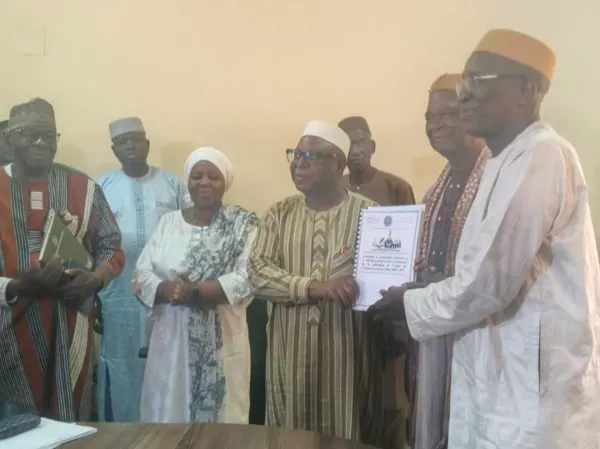
The Malian government has initiated preparations for the 2026-2027 Year of Education and Culture. The preparatory committee's report was submitted to Minister of National Education Amadou Sy Savané on October 6, 2026. The report outlines activities, planning, and budget proposals for the initiative, which aims to enhance the country's education and cultural sectors. A decree issued on February 13, 2026, laid the groundwork for the committee's work.
The preparatory committee, led by Vice-President Assétou Founè Samaké, has identified key areas of focus for the Year of Education and Culture. The "Sigi" rite, a 50-year-old tradition, has been chosen as a unifying symbol for the initiative's educational, cultural, and scientific dimensions. This selection reflects the government's commitment to promoting Mali's rich cultural heritage. The committee's report will guide the implementation of the initiative.
Three primary areas of investment have been pinpointed for the Year of Education and Culture. These include strengthening the education and cultural systems, increasing young people's access to scientific knowledge through national languages, and training engineers in various sectors. These efforts aim to boost Mali's human capital and drive economic growth. The government has assured stakeholders that necessary arrangements will be made to implement the planned actions.
Minister Sy Savané emphasized the need for concrete, measurable, and sustainable implementation of the initiative across the country. He was joined by his counterpart in charge of Higher Education and Scientific Research at the report submission ceremony. The government has expressed its commitment to ensuring the success of the Year of Education and Culture. A comprehensive plan of action will be rolled out to achieve the initiative's objectives.
The launch of the Year of Education and Culture is part of a broader effort to promote education, culture, and scientific research in Mali. The initiative is expected to have a positive impact on the country's development trajectory. By investing in education and culture, the government aims to equip Malian citizens with the skills and knowledge needed to drive growth and progress.
The Malian government's focus on education and culture reflects its recognition of the sectors' importance in shaping the country's future. The Year of Education and Culture will provide opportunities for stakeholders to engage with the government's vision and contribute to its implementation. As the initiative unfolds, its progress will be closely watched by citizens, policymakers, and development partners.
The successful implementation of the Year of Education and Culture will depend on effective collaboration among government agencies, civil society, and the private sector. The government has called on all stakeholders to support the initiative and work together to achieve its goals. By doing so, Mali can harness the potential of its education and cultural sectors to drive sustainable development and improve the lives of its citizens.
Key points
- The Malian government has launched preparations for the 2026-2027 Year of Education and Culture, with a focus on enhancing education and cultural sectors.