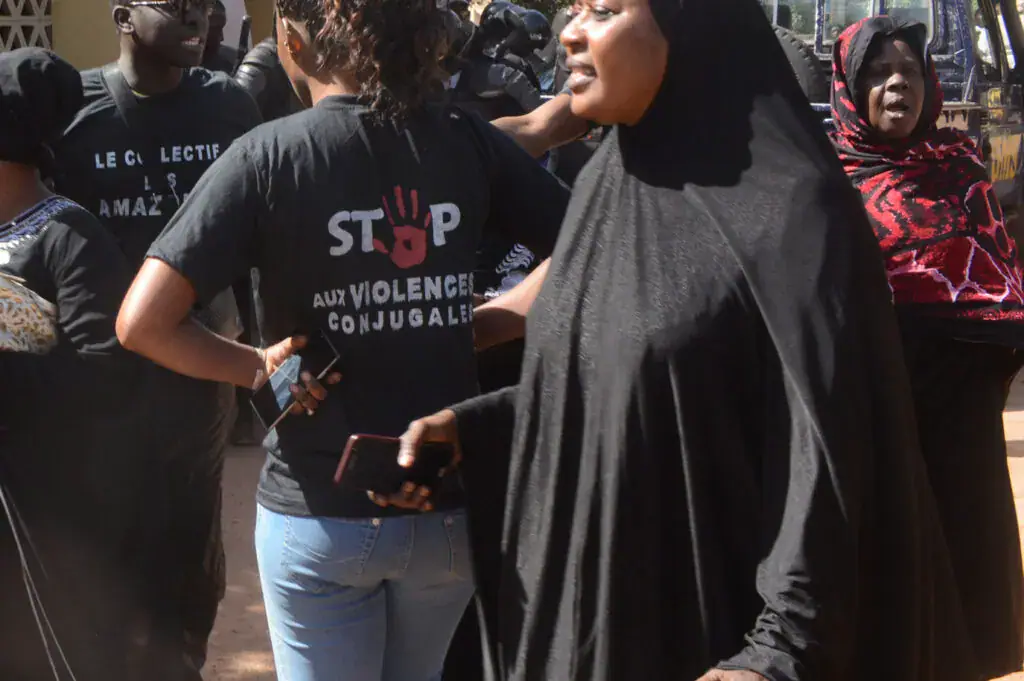
The 16-day activism campaign against domestic violence in Mali, running from November 25 to December 10, 2026, focuses on the national theme of engaging families and community leaders in prevention efforts. According to the associations, victims face significant obstacles, including family pressure, economic dependence, and judicial difficulties, which hinder their ability to seek help. The campaign aims to raise awareness and encourage community involvement in addressing this critical issue.
The statistics on domestic violence in Mali are alarming. A 2023-2024 demographic and health survey revealed that 38% of women aged 15-49 who have been in a marriage or intimate partnership have experienced physical, sexual, or emotional violence from their partner. Furthermore, 27% of these women reported experiencing such violence in the past 12 months. The Association for the Progress and Defense of Women's Rights (APDF) receives cases of various forms of violence, including psychological, physical, and economic abuse.
Family pressure and social norms play a significant role in discouraging victims from seeking help. Many people view seeking assistance as a threat to the survival of the couple or the family's reputation. Sociologist Dr. Bréhima Ely Dicko attributes this to an education system that values patience and forgiveness over personal safety. Some mothers advise their daughters to tolerate violence for the sake of their children and marriage. The reduced role of extended families in modern society has also limited the intervention of relatives in domestic disputes.
Economic dependence is another significant barrier for victims of domestic violence. Women often fear losing resources for themselves and their children if they separate from their abusive partners. Even financially autonomous women may hesitate to leave their marriages due to stigmatization. The APDF reports cases of husbands who refuse to accept their wives' financial independence, sometimes forcing them to choose between their job and their family.
The Malian justice system has made efforts to address domestic violence. The 2024 penal code criminalizes physical and psychological abuse, including harassment and moral violence. However, the application of these laws remains a challenge. Jurist and President of WILDAF Mali, Mme Bouaré Bintou Founé Samaké, emphasizes the need for better enforcement of existing laws and increased awareness among victims of their rights.
To combat domestic violence, the Malian government has established One Stop Centers, which provide integrated medical, psychosocial, legal, and judicial services. According to the Programme national pour l'abandon des violences basées sur le genre (PNVBG), there are currently around 20 of these centers nationwide. These centers offer temporary shelter, counseling, and support to victims, with the goal of empowering them to rebuild their lives.
Despite these efforts, challenges persist. Mme Bouaré notes that the One Stop Centers are not yet sufficient to meet the needs of victims. She calls for more community-based alert mechanisms and enhanced protection for women exposed to violence. The Police nationale has established a green number, 80 333, for reporting domestic violence cases. As the 16-day campaign comes to a close, Mali's efforts to address domestic violence will continue to focus on engaging families, communities, and institutions in the fight against this pervasive issue.
Key points
- The 16-day activism campaign against domestic violence in Mali aims to engage families and community leaders in prevention efforts.
- 38% of women aged 15-49 in Mali have experienced physical, sexual, or emotional violence from their partner.
- One Stop Centers provide integrated services to victims of domestic violence, but more work is needed to meet the demand.
Reporting sources
- Violences conjugales : Le prix d’une plainte · Le Journal du Mali