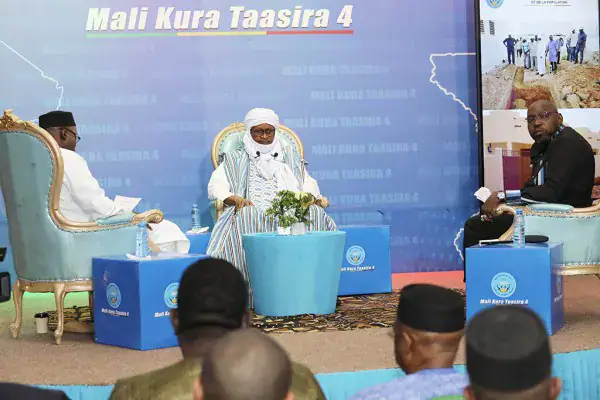
The Malian government has launched a series of reforms aimed at improving land management and urban planning in the country. According to Minister of Urbanism, Housing, and Territorial Planning Imirane Abdoulaye Touré, the reforms are designed to protect populations against land spoliation, preserve public spaces, and build more pleasant cities. The minister made these remarks during a recent visit to the Mali Kura Taasira 4 plateau.
The reforms are part of a broader effort to address the challenges facing Mali's urban areas, including limited access to land, inadequate infrastructure, and the risk of building collapses. The minister's department is working to improve the management of land and prevent irregular land occupation. This includes measures to enhance transparency and accountability in land allocation and to strengthen the capacity of local authorities to manage urban development.
Minister Touré recently inspected several construction sites in Bamako, where he expressed satisfaction with the progress being made. He noted that the sites demonstrated the potential for local production of construction materials and the capacity of Malian companies to execute large-scale projects. The minister's visit highlighted the importance of investing in infrastructure and promoting sustainable urban development.
The European Union has provided significant support to Mali's efforts to address the needs of internally displaced persons (IDPs) in the regions of Sikasso and Ségou. A €4 billion FCFA (approximately $6.7 million) grant will be used over 36 months to promote the inclusion of IDPs and enhance the hosting capacity of the two cities. This funding will help to improve living conditions for IDPs and support the development of local communities.
In addition to these efforts, the Orange Mali Foundation and its partner Volon'Terre have launched an initiative to improve access to healthcare for vulnerable populations in Kôlèbougou. The initiative, which included a free medical consultation day, was supported by a budget of 8 million FCFA ($13,300). The event provided medical care to over 500 people and highlighted the importance of partnerships in promoting healthcare access.
The Malian government faces significant challenges in addressing the country's housing crisis, including limited access to land, inadequate infrastructure, and the risk of building collapses. To address these challenges, the government is working to improve the regulatory framework and promote sustainable urban development. This includes measures to enhance transparency and accountability in land allocation and to strengthen the capacity of local authorities to manage urban development.
The World Bank has provided support to Mali's efforts to improve waste management in Bamako. A grant of 2 billion FCFA ($3.3 million) has been used to provide equipment to the Bamako Urban Sanitation Service (DSUVA). The equipment aims to improve waste collection and reduce the incidence of irregular waste dumping in the city. This initiative is part of a broader effort to improve the quality of life for Bamako's residents and promote sustainable urban development.
Key points
- The Malian government has introduced reforms to improve land management and prevent land spoliation.
- The European Union has provided €4 billion FCFA in funding to support the needs of internally displaced persons in Sikasso and Ségou regions.
- The World Bank has provided 2 billion FCFA in funding to improve waste management in Bamako.