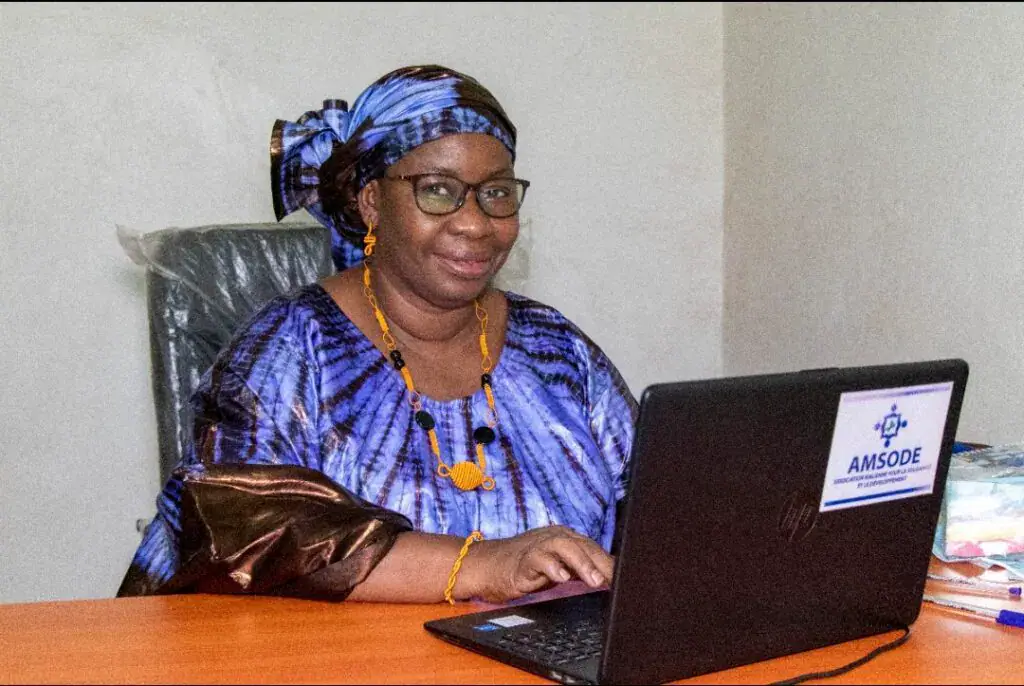
AMSODE, a national organization, is actively involved in providing humanitarian assistance to displaced persons and host communities in Mali. The organization operates in multiple regions, including Mopti, Ségou, Bandiagara, and others. Their approach is multisectoral, addressing various needs such as food, healthcare, protection, and education. In Macina, within the Ségou region, AMSODE deploys integrated mobile teams to deliver essential services to affected populations.
AMSODE's interventions are diverse, aiming to respond to the identified needs of communities. Recent activities include providing monetary assistance to 177 internally displaced households in Walirdé, Mopti region, and food assistance to 216 displaced households in Bamako. The organization also conducts health interventions through mobile teams, reaching 42,909 people between February and September 2026. These efforts included curative consultations, obstetrical and neonatal care, and malnutrition screening.
Despite the organization's efforts, the humanitarian response in Mali faces significant challenges, primarily due to underfunding. The 2025 Humanitarian Response Plan required $771 million but only received about 21% of that amount. For 2026, the plan targets 3.8 million people with a required $577.9 million, but as of September 28, only $135.6 million had been mobilized. This funding shortfall severely impacts the ability of humanitarian actors to cover the needs of affected populations.
The underfunding of humanitarian efforts has direct consequences on the capacity of actors to provide adequate assistance. With insufficient resources, organizations must prioritize interventions, seek complementarities, and make difficult choices. This often results in reduced assistance, shorter intervention durations, or the inability to address identified needs. Dr. Traoré Aminata Simpara emphasizes that the lack of funding affects the overall response, leaving many families without necessary aid.
AMSODE's interventions are tailored to the specific needs of each locality, taking into account the situation of displaced persons and host communities. The organization works in collaboration with other actors to ensure a coordinated response. However, the persistent funding gap hampers the effectiveness of these efforts. The situation calls for increased support to address the pressing needs of affected populations and ensure a more comprehensive response.
The impact of underfunding is felt across various sectors, including health, nutrition, and protection. In 2026, AMSODE's health interventions reached a significant number of people, but the organization had to make difficult choices due to limited resources. The situation highlights the need for sustained support to maintain a robust humanitarian response. The consequences of inaction or inadequate action can be severe, particularly for vulnerable populations.
The humanitarian situation in Mali remains challenging, with 5.1 million people in need and 3.8 million targeted for assistance in 2026. The funding shortfall of over $442 million as of September 28, 2026, underscores the urgent need for increased support. Dr. Traoré Aminata Simpara's insights emphasize the importance of addressing the funding gap to ensure a more effective and comprehensive humanitarian response.
Key points
- The humanitarian response in Mali is severely impacted by underfunding, with a funding gap of over $442 million as of September 28, 2026.
- AMSODE's interventions are diverse, aiming to respond to the identified needs of communities, including food, healthcare, protection, and education.
- The underfunding of humanitarian efforts has direct consequences on the capacity of actors to provide adequate assistance, leaving many families without necessary aid.