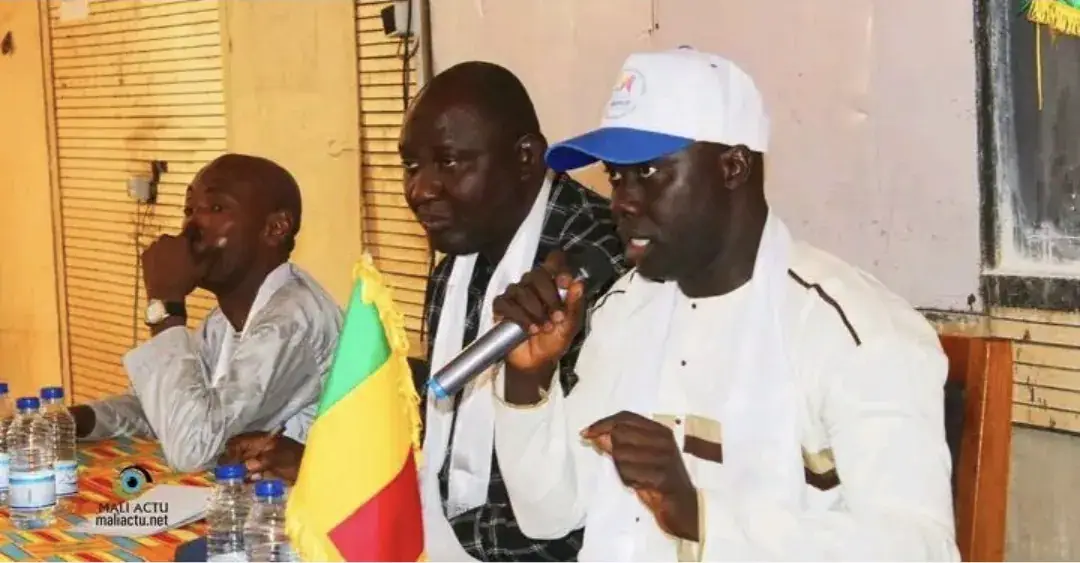
The Central Executive Committee of the National Union of Higher Education and Scientific Research (CEN-SNESUP) has escalated its strike in Mali's higher education sector, now in its second week. On November 5, 2026, the union's secretary general, Dr. Oumar Coulibaly, released a statement urging members to remain mobilized and continue the strike until their demands are fully met. The strike has paralyzed university institutions, causing concern among students and parents about the academic calendar.
The CEN-SNESUP union is demanding the effective implementation of a research bonus, along with a clear and precise timeline for payment of arrears. According to Dr. Coulibaly, the union's goal is to address the deep-seated issues within the university system. The strike reflects the frustration of teachers and researchers who feel their legitimate concerns have not been adequately addressed. Despite calls for dialogue, the union remains firm, insisting that the government's responses so far have been insufficient.
The strike has entered its second week, with no immediate resolution in sight. The CEN-SNESUP union has thanked its members for adhering to the strike call and encouraged them to remain vigilant against attempts to undermine the movement. As the situation stands, students and parents are increasingly uncertain about the academic year, fearing it may be lost or severely disrupted. The government is under pressure to take concrete action to resolve the crisis before it becomes irreversible.
The CEN-SNESUP union's decision to escalate the strike has significant implications for Mali's higher education sector. With the strike now in its second week, the impact on students and the academic calendar is becoming increasingly apparent. The union's demands focus on improving working conditions and addressing the needs of teachers and researchers. However, the government's response has yet to meet these demands, leading to continued uncertainty.
The strike has garnered attention from various stakeholders, including students, parents, and government officials. As the situation continues to unfold, there are concerns about the long-term effects on the country's education system. The CEN-SNESUP union has emphasized its commitment to finding a resolution, but only if its demands are met. This stance has put pressure on the government to take decisive action.
Key to resolving the crisis lies in the government's response to the union's demands. The CEN-SNESUP union has made it clear that it will not back down until its demands are fully met. This includes the implementation of a research bonus and a clear timeline for payment of arrears. The situation remains tense, with no clear end in sight. The impact on students and the academic calendar continues to grow.
As the strike continues, the Malian government faces increasing pressure to address the concerns of the CEN-SNESUP union. The union's determination to see its demands met has put the spotlight on the government's handling of the situation. With the academic calendar hanging in the balance, a swift resolution is essential to mitigate further disruption. The situation will continue to be closely watched by stakeholders.
Key points
- The CEN-SNESUP union will continue the strike until its demands for a research bonus and payment of arrears are met.