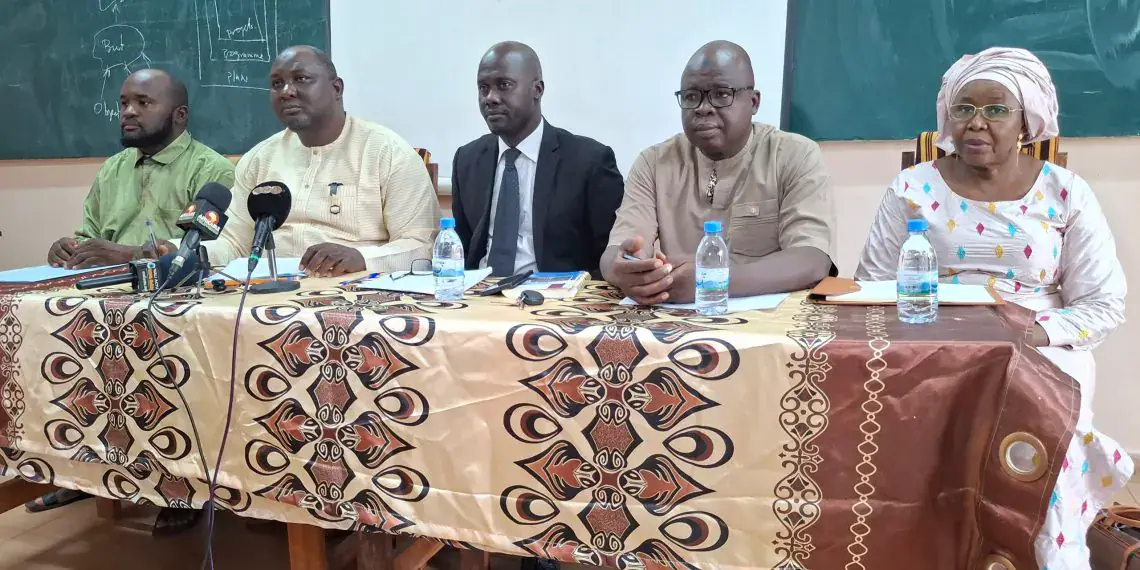
The higher education and scientific research sector in Mali has been plunged into crisis following the start of a 120-hour strike by the Syndicat national de l'enseignement supérieur et de la recherche scientifique (SNESUP) on October 26. This strike, which will last for five days, has brought all academic, pedagogical, and administrative activities in universities, grandes écoles, and research structures to a halt. The decision to strike comes after prolonged tensions between the union and competent authorities.
The strike was called by the SNESUP following repeated appeals by the Comité exécutif national du SNESUP (CEN-SNESUP) that were left unanswered. Key demands by the union include the payment of a research allowance, along with a recall plan, which has not been implemented since 2017. According to Dr. Oumar Coulinaly, the secretary-general of SNESUP, the strike affects all academic and pedagogical activities in all institutions of higher education and research.
The strike has thrown thousands of students into uncertainty, heightening fears of significant disruption to the university calendar. The SNESUP has warned against any attempts to sabotage the strike, particularly by using non-permanent teachers to circumvent the movement. This situation arises at a time when the country is aspiring to stability on all fronts.
The crisis in higher education highlights the urgent need to prioritize education and research at the national level. The resolution of this conflict now depends on the government's ability to re-establish constructive dialogue with the union. The outcome of these critical 120 hours will depend on the signals sent by the authorities to prevent a lasting deadlock in universities.
The strike has significant implications for the future of higher education in Mali. If the demands of the SNESUP are not met, it could lead to further action and exacerbate the current crisis. The government needs to take immediate action to address the grievances of the union and ensure that the education sector is not further disrupted.
The situation in Mali's higher education sector is being closely watched by stakeholders and observers. The country's aspirations for stability and development depend on a well-functioning education system. The government's response to the current crisis will be crucial in determining the future of higher education in Mali.
As the 120-hour strike comes to an end, all eyes are on the government's response to the SNESUP's demands. The authorities must take concrete steps to address the union's grievances and prevent further disruption to the education sector. Failure to do so could have long-term consequences for the country's development and stability.
Key points
- The SNESUP union has begun a 120-hour strike over demands including the payment of a research allowance that has not been implemented since 2017.
- The strike has paralyzed all academic, pedagogical, and administrative activities in Mali's higher education institutions.
- The resolution of the conflict depends on the government's ability to re-establish constructive dialogue with the union.