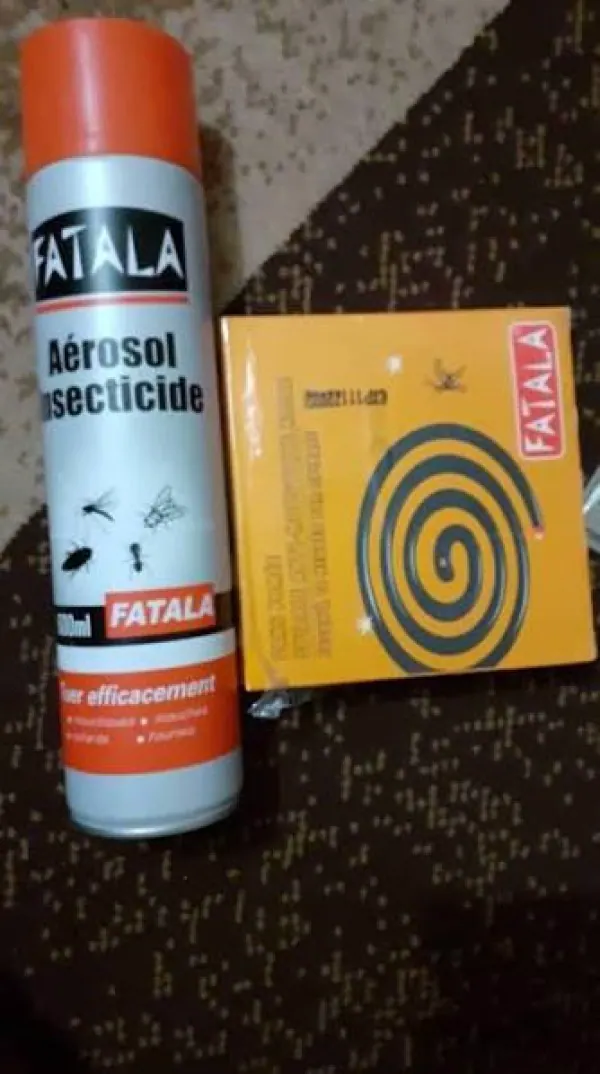
As the rainy season sets in, Mali is experiencing a surge in mosquito populations, prompting many to turn to mosquito repellents and electric diffusers to protect themselves. The market for these products is thriving, with vendors selling a variety of sprays, sticks, and essential oils. At the "Dabanani" market and other locations in Bamako, vendors are offering a range of products, including insecticides in spiral form, which release a repellent smoke to ward off mosquitoes.
The demand for mosquito repellents has created a lucrative business for many, including young entrepreneurs like Abdou Diarra, a 13-year-old schoolboy who sells repellents on the streets of Bamako. He buys his stock from the Grand Market and sells 7-8 packets a day, earning around 500 Fcfa per unit. Other vendors, like Ali Nanakassé, also sell insecticides at the "Wonida" market in Bozola, making a profit of 100 Fcfa per packet.
However, experts are warning that the use of these products can have serious health consequences if not used properly. Dr. Boubacar Haïdara, an ORL specialist at the Hôpital du Mali, notes that the use of mosquito repellents can cause allergic reactions, including rhinite and asthma attacks. He emphasizes that these products can be particularly hazardous for children and pregnant women.
Dr. Ousmane Yaya Touré, a general practitioner at the Centre hospitalier-universitaire Gabriel Touré, agrees that the misuse of mosquito repellents can lead to skin and eye irritation, as well as neurological and hormonal problems. He warns that the chemicals in these products, such as deet, can be toxic if inhaled or ingested. Dr. Touré advises users to follow the recommended dosages and to avoid applying sprays on damaged skin or on the hands of young children.
The Malian health authorities are urging people to exercise caution when using mosquito repellents. Dr. Touré recommends that people ventilate their homes after using diffusers or insecticides and avoid using them in enclosed spaces. He also advises users to read and follow the instructions on the product labels carefully.
Despite the risks, many Malians feel that they have no choice but to use mosquito repellents to protect themselves from the diseases transmitted by mosquitoes, such as malaria. The country has a high incidence of malaria, and many people rely on mosquito repellents to prevent the disease. However, experts stress that it is essential to use these products responsibly and to take steps to minimize the risks.
As the demand for mosquito repellents continues to grow, it is essential that vendors and users are aware of the potential health risks associated with their use. By taking precautions and using these products responsibly, Malians can reduce their risk of exposure to mosquito-borne diseases while minimizing the risks associated with the use of repellents.
Key points
- Health experts warn of potential risks associated with mosquito repellents, including allergic reactions and neurological problems.
- The misuse of mosquito repellents can lead to skin and eye irritation, as well as hormonal and neurological problems.
- Experts advise users to follow recommended dosages and take precautions to minimize risks.