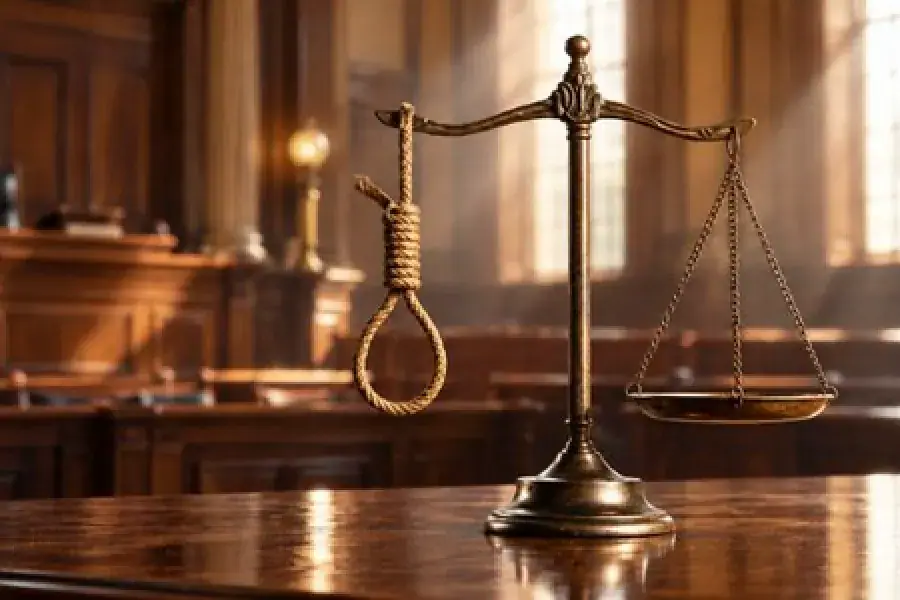
Mali is facing a growing crisis of violent crime, with multiple high-profile cases reported in recent months. The issue has sparked heated debate over the country's approach to justice, with many citizens calling for harsher punishments for perpetrators. A recent series of brutal murders has left the nation reeling, with victims including a pharmacist, a young woman burned alive in her apartment, and a family of five killed in a single incident.
In response to the rising crime rate, the Malian justice system has handed down several death sentences in recent weeks. On November 10, 2026, the Bamako Assizes Court condemned three individuals to death for the 2020 murder of pharmacist Dr. Abdourhamane Kodio. The defendants, Sissoko, Diarra, and Kéïta, were found guilty of stealing and killing Kodio in his pharmacy. Similar sentences have been handed down in other cases, including the killing of a family of five in Kita.
The surge in violent crime has been linked to a broader issue of insecurity in the region, with many Malians expressing frustration over the government's handling of the situation. The issue of capital punishment has become a contentious topic, with some arguing that it serves as a necessary deterrent to crime, while others claim that it is an ineffective and inhumane solution.
Proponents of capital punishment argue that it is a necessary measure to protect citizens from violent crime. They point to the fact that many of the recent murder cases have involved brutal and seemingly motiveless killings, and that the death penalty serves as a fitting punishment for such crimes. They also argue that the threat of execution would serve as a deterrent to would-be offenders.
Opponents of capital punishment, on the other hand, argue that it is an ineffective and inhumane solution to the problem of violent crime. They claim that the death penalty does not address the root causes of crime, and that it can lead to miscarriages of justice. They also argue that Mali's constitution prohibits arbitrary and inhumane punishment, and that the death penalty violates this principle.
The Malian government has faced criticism for its handling of the security situation, with many citizens expressing frustration over the lack of effective action to address the issue. The government has promised to take steps to improve security and reduce crime, but many Malians remain skeptical. The debate over capital punishment is likely to continue, with both sides presenting their arguments in the coming weeks and months.
As the nation grapples with the issue of violent crime, one thing is clear: the status quo is no longer acceptable. The Malian people are demanding action, and the government must respond. Whether or not capital punishment is the solution remains to be seen, but it is clear that something must be done to address the growing crisis of insecurity in the country.
Key points
- The Malian justice system has handed down several death sentences in recent weeks, including the condemnation of three individuals to death for the 2020 murder of pharmacist Dr. Abdourhamane Kodio.
Reporting sources
- Chronique : Le peuple veut vengeance · Maliweb.net