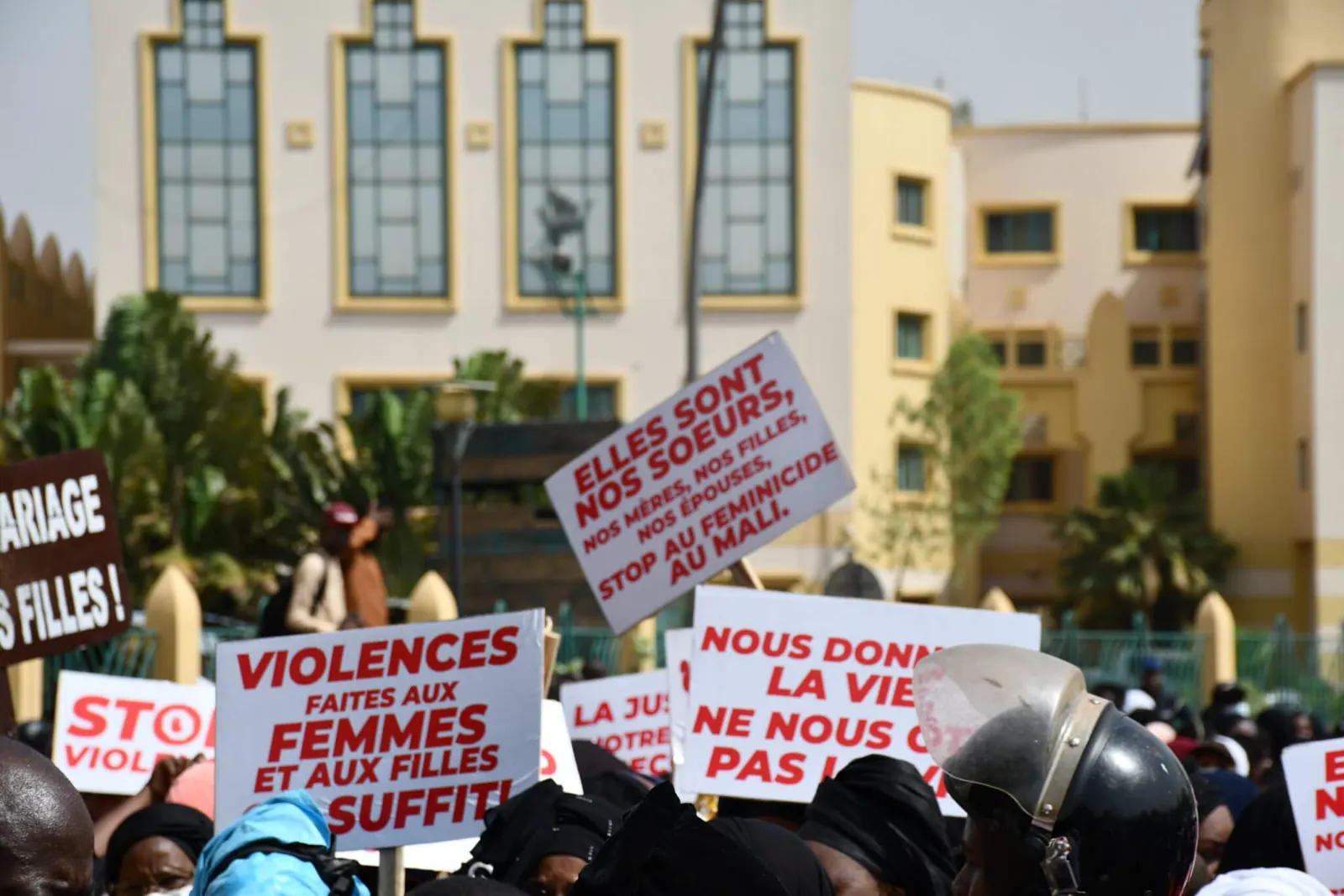
The Malian community is in shock following the tragic death of Racky Diaby, a young woman who lost her life just two weeks after her marriage. Her death has brought to the forefront the alarming rise in femicides in the country, sparking concerns about violence against women. The incident has left many questioning how many more women will have to lose their lives before decisive action is taken to address this issue.
The Malian society, known for its rich cultural heritage and strong family values, is struggling to come to terms with the fact that the home, a place of refuge, has become a danger zone for many women. Femicide is not just a random act of violence; it is a symptom of a deeper societal problem that requires a comprehensive response.
Despite the efforts of associations such as the Association for the Progress and Defense of Women's Rights in Mali (APDF), there is still a long way to go in addressing the root causes of violence against women. The lack of reliable data on femicides in Mali makes it challenging to assess the magnitude of the problem. However, the numerous testimonies from women's rights organizations and the stories that emerge regularly paint a worrying picture.
The way society views marriage and relationships needs to change. The emphasis on knowing one's partner, their values, and how they treat others is crucial in preventing such tragedies. Marriage should be built on mutual respect, responsibility, and equality, rather than just economic or social status.
The patriarchal structures in Malian society contribute to normalizing violence against women. The notion that a woman is considered property and is expected to endure violence silently perpetuates a culture of impunity. Economic dependence also traps women in abusive relationships, making it difficult for them to leave.
To combat femicides, a multi-faceted approach is required. This includes strengthening reporting mechanisms, improving judicial responses, and educating young people about healthy relationships. It is also essential to provide support to women who are fleeing violent relationships and to take threats seriously.
As the Malian community demands justice for Racky Diaby, there is a growing recognition that this tragedy should serve as a catalyst for change. The fight against femicides requires a collective effort to educate, prevent, protect, and sanction. Ultimately, the goal is to create a society where women feel safe and protected, and where their rights are respected.
Key points
- The Malian government and civil society must work together to address the root causes of violence against women and provide support to victims of domestic abuse.
- The fight against femicides requires a cultural shift in the way society views marriage, relationships, and women's rights.
- Strengthening reporting mechanisms and judicial responses is crucial in preventing and responding to cases of femicide in Mali.