The Malian government has reported that nearly 80,000 people from six countries have entered the country from Guinea since November 2. This surge in migration follows Guinea's closure of informal gold mining sites in the Siguiri region, prompting a massive displacement of people. The migrants are mostly nationals of countries in the Sahel region.
The Malian authorities have described the situation as a "real humanitarian catastrophe." Prime Minister General Abdoulaye Maiga toured makeshift shelters and announced plans to relocate the migrants to designated sites. The government has set up two main sites, Mamarybougou and Ouenzindougou, on the outskirts of the capital Bamako, to accommodate the migrants and provide them with essential services.
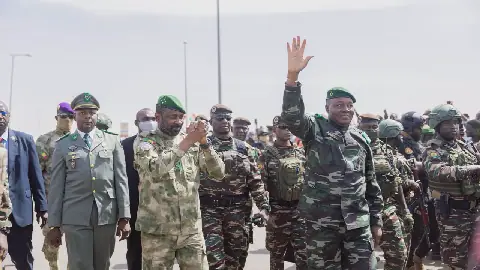
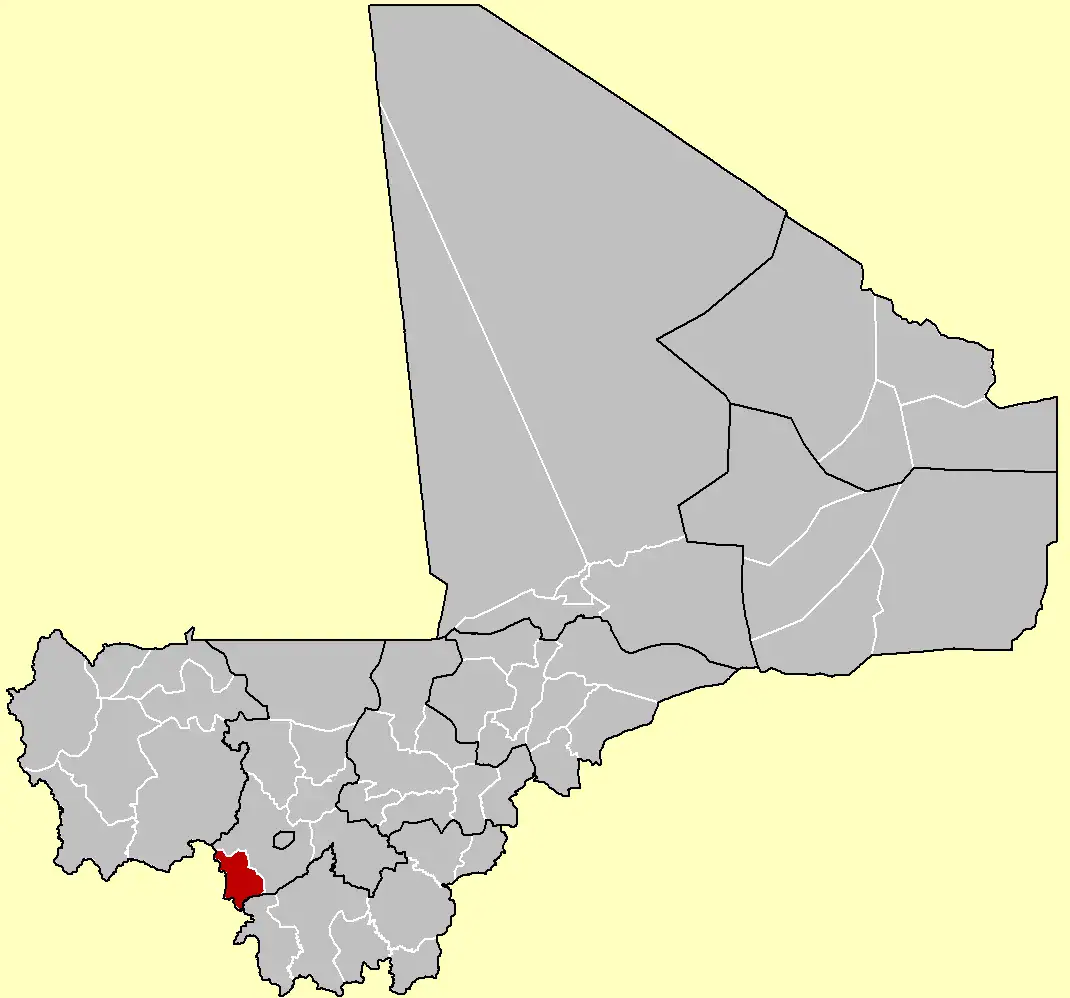
The migrants are being funneled through the border town of Kourimali, where over 40,000 people have already gathered. The government has deployed security forces to manage the flow of migrants and prevent them from entering Bamako. Additional troops have been stationed at the city's entrances to intercept and redirect migrants to the designated sites.
The health ministry has reported four deaths related to the crisis, and medical teams are providing treatment to those in need. The government has also activated a committee to manage the crisis and coordinate relief efforts. The committee is working to provide shelter, food, and medical care to the migrants.
A delegation from Burkina Faso, one of the countries of origin of the migrants, visited Bamako on November 4 to assess the situation and facilitate the return of its nationals. The Malian government has not yet released a breakdown of the migrants by nationality. The crisis has highlighted the challenges faced by countries in the Sahel region in managing migration and providing humanitarian assistance.
The situation in Mali is likely to have regional implications, with potential strain on resources and infrastructure. The country's authorities face significant challenges in providing adequate shelter, healthcare, and services to the large influx of migrants. International organizations and humanitarian agencies are likely to play a key role in supporting the Malian government's response to the crisis.
As the situation continues to unfold, the Malian government will need to balance the need to provide assistance to the migrants with the need to maintain security and stability in the country. The crisis has also raised questions about the long-term impact of Guinea's closure of informal gold mining sites and the potential for similar migration flows in the future.
Key points
- 80,000 migrants have arrived in Mali from Guinea since November 2.
- The Malian government has described the situation as a "real humanitarian catastrophe."
- Over 40,000 migrants are currently gathered in the border town of Kourimali.