The Malian government is facing difficulties in managing an influx of clandestine gold miners from neighboring countries, particularly Burkina Faso, who have been refouled from Guinea-Conakry. Since the beginning of the month, several nationals from the sub-region have been arriving in Mali, and although the government has deployed necessary means to provide decent accommodation and support, some have taken refuge in clandestine gold mining sites across the country. This has raised concerns about the potential environmental and health impacts of these activities.
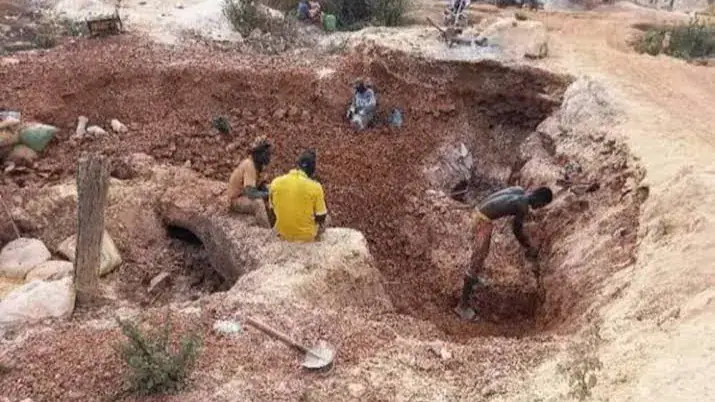
Clandestine gold miners have taken over the classified forest of Limakolé in the Kita circle and other parts of Mali, using illegal machinery to degrade lands and watercourses. These miners have been filming themselves polluting the air, watercourses, and lands, and publishing the videos on social media platforms like Tiktok. In the videos, they claim to have been chased away from Guinea-Conakry and welcomed in Mali, where they have started their activities. Most of their machines are prohibited by Malian laws regulating gold mining.
The Malian government had welcomed these refouled individuals with open arms, but it appears that instead of reintegrating into society, they have continued with their illicit activities. This has sparked concerns about the potential harm to the environment, soil, water resources, public health, and food security due to the use of hazardous chemicals. The situation has raised questions about whether clandestine gold mining, which is prohibited in Guinea, is being tolerated in Mali.
The issue of clandestine gold mining has significant implications for Mali's environment and public health. The use of hazardous chemicals in gold mining can contaminate watercourses, soil, and air, posing serious health risks to local communities. Furthermore, the degradation of lands and water resources can have long-term consequences for food security and sustainable development.
The Malian authorities are urged to take a proactive approach to addressing the issue of clandestine gold mining. This includes enforcing laws and regulations governing gold mining, providing alternative livelihoods for those involved in illicit activities, and ensuring that those responsible for environmental degradation are held accountable. The government must balance the need to provide humanitarian support to refouled individuals with the need to protect the environment and public health.
The situation highlights the need for regional cooperation to address the issue of clandestine gold mining. The Economic Community of West African States (ECOWAS) and other regional organizations must work together to develop a coordinated approach to tackling the problem, which has significant implications for the region's environment, public health, and economic development.
Ultimately, the Malian government must take a firm stance against clandestine gold mining and ensure that those involved in illicit activities are brought to justice. This requires a comprehensive approach that addresses the root causes of the problem, provides alternative livelihoods for those involved, and protects the environment and public health.
Key points
- The Malian government must enforce laws regulating gold mining to prevent environmental degradation and protect public health.