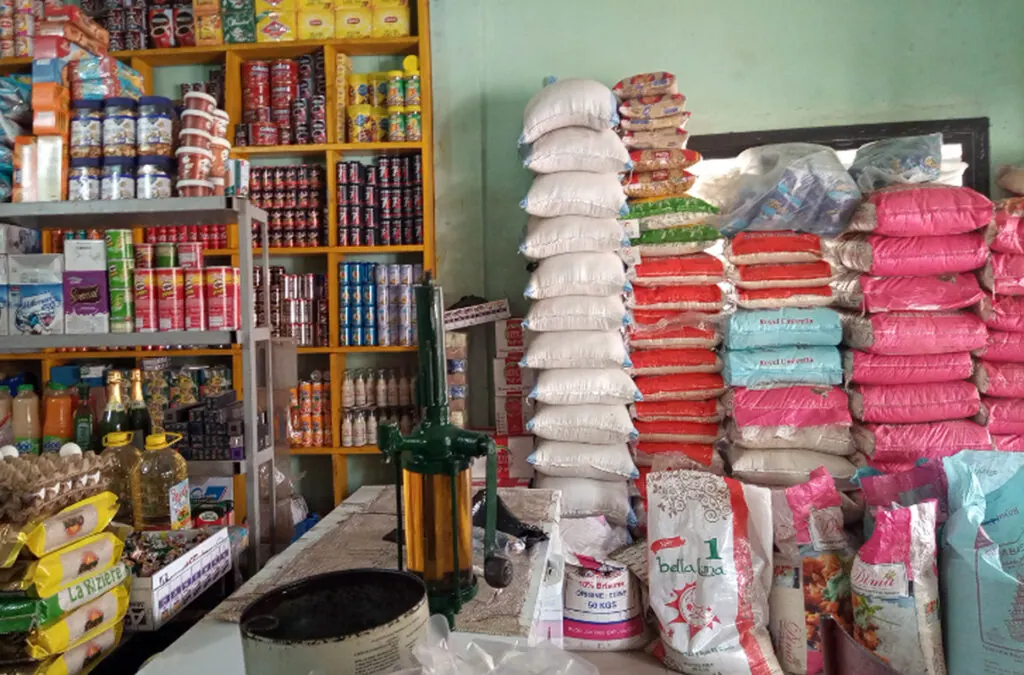
The National Institute of Statistics (INSTAT) in Mali has released its Harmonized Consumer Price Index (HCPI) for August 2026, revealing a 0.3% increase in consumer prices compared to July. This rise is part of a larger trend, with prices increasing by 3.3% over the past year. This development is concerning, especially given the mixed results of the agricultural campaign. The increase in prices affects household expenditure, particularly on food, which accounts for a significant portion of household budgets.
The INSTAT report highlights that the monthly increase is primarily driven by "food and non-alcoholic beverages," which rose by 0.6%. Specific products have seen significant price increases, including tubercles, plantains, and cooking bananas, which rose by 5.6%, and raw whole milk, which increased by 6.9%. Additionally, fresh or refrigerated fruit and vegetable prices rose by 4%, while fresh, refrigerated, or frozen meat prices increased by 1.5%.
When comparing prices to August 2025, the overall price level, excluding fresh products and energy, has increased by 1.3%. The INSTAT data also shows that local and imported products have risen in price, with local products increasing by 0.4% and imported products by 0.1%. Over the past year, local products have seen a 4% price increase, while imported products have risen by 1.9%. This indicates a more significant price increase for local products compared to imported ones.
According to Bakary Diarra, a member of the National Coordination of Peasant Organizations (CNOP) in Sikasso, the sudden price increase is attributed to the drought in certain areas of Koutiala and San. He explains that the difficulties faced during the agricultural campaign have led to the rapid depletion of old stocks, causing prices to rise, particularly for maize, which has increased from 125 to 175 CFA francs per kilogram.
The price of locally produced potatoes is not available, and the price of imported potatoes has risen from 600 to 900 CFA francs per kilogram. Diarra suggests that a price decrease may be observed in November with the arrival of new harvests. However, he questions how long this decrease will last. Given the insufficient production in certain areas, the situation remains concerning, especially with the risk of speculation on markets.
Diarra emphasizes that to prevent a generalized shortage, the government must anticipate and take adapted measures. Several producers may hesitate to sell their harvests immediately, a common reflex when the offer appears limited and prices increase. The situation requires careful consideration to mitigate potential risks and ensure a stable supply of essential goods.
Key statistics from the INSTAT report include a 3.3% overall increase in prices between August 2025 and August 2026, a 4% increase in local products over the past year, and a 1.9% increase in imported products over the same period. These figures highlight the need for continued monitoring and potential intervention to address the rising cost of living in Mali.
Key points
- The 3.3% annual increase in consumer prices in Mali is driven primarily by food and non-alcoholic beverages.