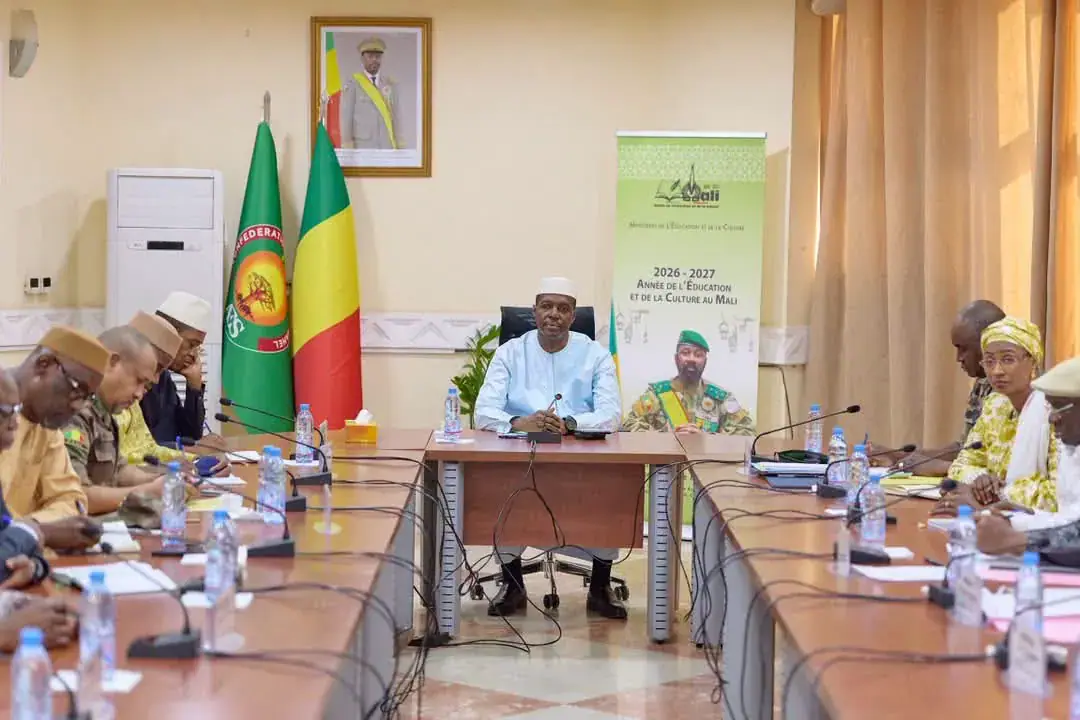
The Malian government, led by Prime Minister General Abdoulaye Maïga, has taken charge of repatriating African nationals refused in Guinea. An extraordinary meeting of the Interministerial Committee for Crisis and Disaster Management was held to coordinate the evacuation of people from six nationalities. The committee aimed to provide support and logistics for those affected. According to the Prime Minister's office, the government has mobilized substantial resources for the operation. This effort demonstrates Mali's commitment to aiding its citizens and other African nationals in need. The situation is being closely monitored.
As part of the evacuation operation, Mali has deployed 74 trucks and 21 buses to transport the refused individuals. An additional 100 trucks were chartered on Saturday to participate in the evacuation. The goal is to safely transport those affected back to their home countries. Neighboring countries, including Burkina Faso, are also involved in the effort. A convoy of 47 buses has already arrived in Burkina Faso, while 50 trucks are preparing to depart. The logistics of the operation are complex, requiring coordination between multiple parties.
The Interministerial Committee has been tasked with tracking the number of people evacuated, those still on site, and those who have arrived in Burkina Faso. To facilitate the evacuation process, it was decided to regroup the refused individuals at the Kouremalé border. This will help prevent difficulties associated with their concentration in the capital. The committee has also been instructed to conduct a census of Malian nationals affected by the situation. Accurate information is crucial for effective support.
To ensure transparency and keep the public informed, the Interministerial Committee will publish a daily information bulletin. The bulletin will provide updates on the ongoing operations and planned dispositions. This move aims to maintain public awareness and trust in the government's handling of the situation. The committee's efforts are guided by the principles of Malian hospitality and African solidarity. The government is working to provide aid and support to those in need.
A field visit is scheduled for Sunday to assess the actions taken and identify any additional needs. The Prime Minister and committee members will evaluate the situation firsthand and make any necessary adjustments. This hands-on approach will help ensure the success of the evacuation operation. The government is committed to providing effective support and aid to those affected. The situation remains a priority for the Malian authorities.
The refused individuals are from six nationalities, although the specific countries have not been disclosed. The evacuation operation is a significant undertaking, requiring substantial resources and coordination. Mali's efforts demonstrate its commitment to African solidarity and humanitarian aid. The situation is being closely monitored, and the government is working to provide support and aid to those in need. International cooperation is also playing a key role in the evacuation effort.
The Malian government's response to the situation has been swift and decisive. The evacuation operation is ongoing, with multiple countries involved. Key aspects of the operation include logistics, transportation, and support for those affected. The government has mobilized significant resources to aid in the evacuation. The situation remains a priority, with the government working to ensure the safe return of those refused in Guinea.
Key points
- Mali has deployed 74 trucks and 21 buses to transport refused individuals.
- A daily information bulletin will be published to keep the public informed.
- A field visit is scheduled to assess the actions taken and identify additional needs.
Reporting sources
- Mali – Rapatriement des Africains refoulés de Guinée : le gouvernement mobilise des moyens logistiques · Agence malienne de presse et de publicité