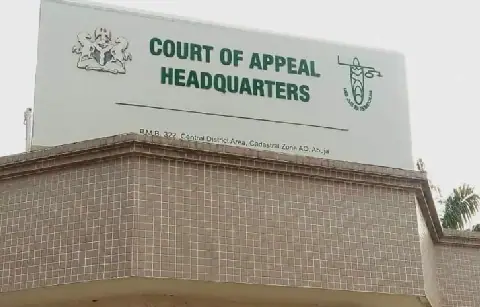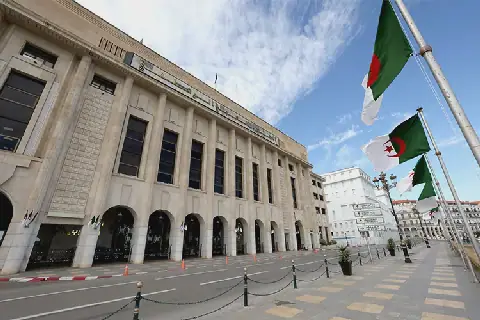
On November 16, 2026, the Court of Appeal in Bamako, Mali, delivered its verdict in the case of Youssouf Sissoko, director of publication of the weekly L'Alternance. Sissoko had been sentenced to two years in prison in the first instance. The appeal court's decision maintains Sissoko's two-year sentence but with one year suspended. This reduction in sentence is a significant development in the case that has garnered attention both locally and internationally.
The case against Sissoko dates back to early February 2026. On February 2, 2026, L'Alternance published an article critical of General Abdourahamane Tiani, the head of state in neighboring Niger. Following the publication, Sissoko was arrested at his home on February 5 and placed in detention. He was charged with disseminating false information, damaging the reputation of the state, and insulting a foreign head of state.
On March 23, 2026, Sissoko was sentenced to two years in prison and ordered to pay one million CFA francs in damages by the National Pole for the Fight Against Cybercrime. His lawyers appealed the decision, arguing for a complete acquittal or, alternatively, a sentence that accounted for the time he had already served. The prosecution, however, sought to uphold the original sentence.
The Court of Appeal's decision to reduce Sissoko's sentence by one year means he could be released as early as February 2027. Having been in detention since February 5, 2026, Sissoko would have served over nine months of his sentence by then. This development brings some relief to Sissoko and his supporters, who have been advocating for his release.
Sissoko's case has been closely watched by media freedom advocates and human rights groups. They have expressed concerns about the use of laws against cybercrime and false information to silence journalists and critics. The reduction in Sissoko's sentence is seen as a positive step, but the case also highlights the challenges faced by journalists and the press in Mali and the wider region.
The appeal court's decision was made on October 26, 2026, after hearing arguments from both the defense and the prosecution. While the court did not grant Sissoko a full acquittal, the reduction in his sentence reflects a partial victory for his legal team. Sissoko's case underscores the importance of a free press and the role of the judiciary in protecting journalists' rights.
Youssouf Sissoko's ordeal began on February 5, 2026, and with the appeal court's decision, his potential release is now on the horizon. The case serves as a reminder of the complexities and challenges of press freedom in Mali. As Sissoko prepares for his possible release in February 2027, his case will likely continue to be a topic of discussion among media professionals and human rights advocates.
Key points
- The Court of Appeal in Bamako reduced journalist Youssouf Sissoko's sentence from two years to one year with probation.