A disturbing online campaign in favor of female genital mutilation has emerged in Mali since mid-August 2026. Social media platforms, particularly Facebook, have been flooded with artificially generated visuals advocating for the practice. The posters feature a razor blade, a chilling symbol of the instrument used to mutilate girls' bodies. This development has sparked concern, especially given Mali's lack of specific legislation prohibiting female genital mutilation.
Female genital mutilation, also known as female genital cutting, involves altering or removing parts of a girl's or woman's external genitalia without medical necessity. This practice leads to physical, sexual, and psychological trauma that can have lifelong consequences for victims. The surge in online support for the practice has been met with alarm, with many calling for urgent action to protect Mali's girls and women.
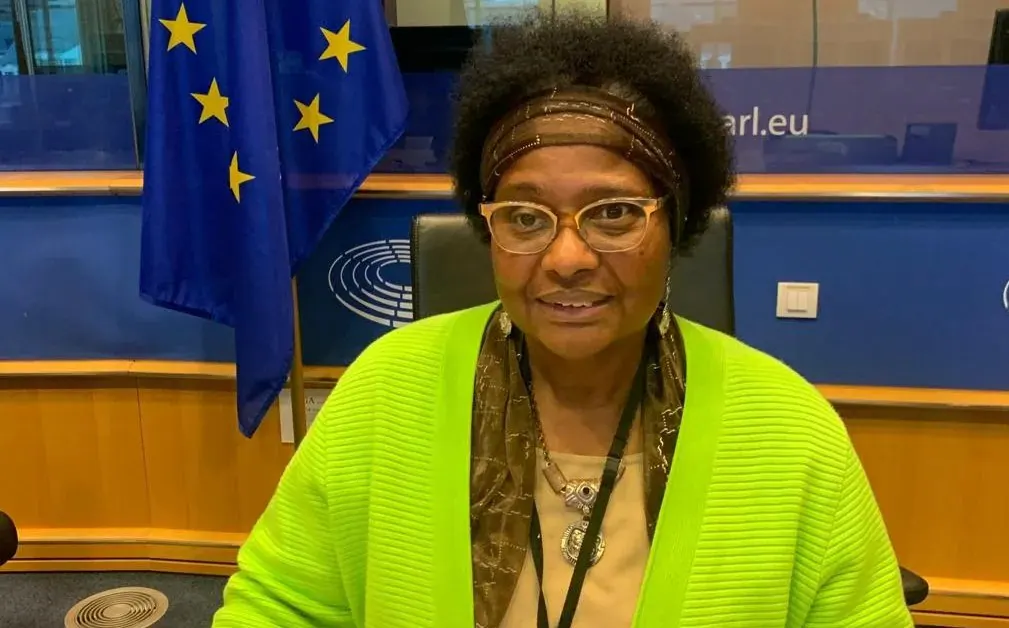
Pierrette Herzberger-Fofana, a former European Parliament deputy and rapporteur, has spoken out against the practice. She emphasizes that the campaign is not only alarmingly timed but also misguided, as it claims to protect girls while actually mutilating them. Herzberger-Fofana stresses that a razor blade does not protect a girl; it mutilates her. She has called on Malian authorities, lawmakers, and community leaders to take action.
Herzberger-Fofana has urged the Malian government to pass legislation explicitly banning all forms of female genital mutilation. She argues that such a law would not be imposed from outside or directed against Malian culture or religion. Instead, it would protect children's integrity and dignity. For decades, Malian associations, doctors, educators, and human rights defenders have been fighting against the practice.
Herzberger-Fofana has expressed her solidarity with Malian activists who have been courageously fighting against female genital mutilation. As someone born in Bamako, she feels a personal connection to the issue. She recalls her previous engagement with the issue, dating back to 2007, when her organization partnered with the Association for the Progress and Defense of Women's Rights.
The article highlights that Islam, like other major religions, protects human integrity and prohibits causing physical harm to others. There is no religious obligation to mutilate children to ensure their virtue or dignity. A 2006 conference of Muslim scholars at Al-Azhar University in Cairo concluded that female genital mutilation has no basis in the Quran or authentic Islamic tradition.
Medical research, including work by Dr. Touré of Bamako on fistulas resulting from female genital mutilation, has shown that the practice offers no benefits and causes significant physical and psychological harm. The principle of not causing harm or responding to harm with harm in Islam further supports the call for its prohibition.
Key points
- Mali faces a surge in online support for female genital mutilation.
- The practice leads to severe physical, sexual, and psychological trauma.
- Activists are calling for legislation to ban female genital mutilation in Mali.