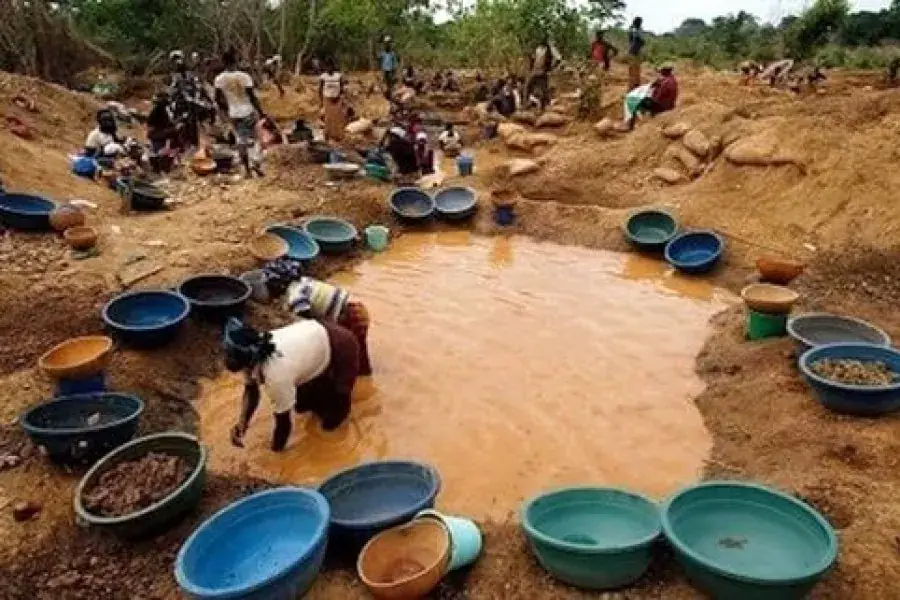
The issue of child exploitation in artisanal gold mining has sparked outrage in West Africa, with Mali, Guinea-Conakry, Burkina Faso, and Côte d'Ivoire being urged to take action. A recent incident in Guinea-Conakry, where thousands of foreign workers, mostly from Burkina Faso, were forcibly deported, has highlighted the plight of children working in hazardous conditions. Many children are forced to work in mines, exposing them to risks such as tunnel collapses, toxic substances, and violence.
According to critics, the problem runs deeper than just Guinea-Conakry, with many countries in the region failing to protect children from exploitation. The gold mining industry generates significant revenue, but often at the cost of human lives. Children are deprived of education, childhood, and protection, and are instead forced to work in inhumane conditions. The issue has sparked calls for governments and organizations to take action to protect children and prevent further exploitation.
The Malian government, along with others in the region, has been accused of failing to implement effective mechanisms to protect children. The lack of social services, labor inspections, and authorities to monitor mining sites has created an environment where exploitation can thrive. To address the issue, governments must identify and rescue children from exploitation networks, provide them with healthcare, psychological support, and education, and prosecute those responsible for their exploitation.
One expert, consultant minier D. Dembélé, has spoken out against the exploitation of children in gold mining, stating that Africa cannot continue to produce gold at the expense of African childhood. The gold mining industry may generate wealth for individuals, companies, and governments, but it should not come at the cost of children's lives and well-being. The issue has sparked a renewed call for action to protect children's rights and prevent further exploitation.
The problem of child exploitation in gold mining is complex and deeply ingrained, with some arguing that cultural and societal norms play a role. One commentator, Kinguiranke, noted that in Malian culture, children are often expected to contribute to their families' well-being, which can lead them to engage in activities such as gold mining. However, others argue that this does not justify the exploitation of children and that governments and organizations must take action to protect them.
The issue has sparked a wider conversation about the need for governments, organizations, and individuals to take action to protect children's rights. Many are calling for increased regulation and monitoring of the gold mining industry, as well as greater support for children who have been exploited. The Malian government, along with others in the region, faces pressure to take concrete steps to address the issue and prevent further exploitation.
As the issue of child exploitation in gold mining continues to gain attention, many are urging governments and organizations to take immediate action. The gold mining industry may be a significant source of revenue, but it should not come at the cost of human lives. With increased pressure and awareness, there is hope that governments and organizations will take concrete steps to protect children and prevent further exploitation in the region.
Key points
- Governments and organizations are being urged to take action to protect children from exploitation in artisanal gold mining in West Africa.