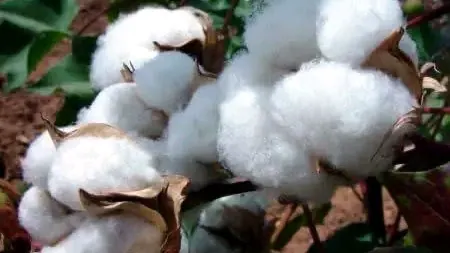
On October 7, Mali joined the world in celebrating World Cotton Day, a significant event that recognizes the importance of cotton in the country's economy and development. The theme of this year's celebration, "Cotton for the Common Good: Building Prosperity through Trade, Transformation, and Partnerships," sets a clear direction for Mali to harness the potential of cotton to drive sustainable development. Cotton is a vital crop in Mali, supporting the livelihoods of many families and communities.
According to the Malijet, the country's cotton industry is a significant contributor to the national economy, providing employment opportunities and generating revenue. The industry also plays a crucial role in promoting food security through crop rotation with other essential crops such as maize, millet, and sorghum. The Malian government, led by General Assimi Goïta, President of the Transition and Head of State, is committed to maximizing the benefits of cotton production.
The President's vision is to create sustainable wealth and jobs by adding value to Mali's natural resources, including cotton. The government aims to strengthen partnerships with stakeholders in the cotton industry, both locally and internationally, to promote trade and transformation. By developing the local textile industry, Mali can create more job opportunities for its youth and increase its economic competitiveness.
The Compagnie Malienne pour le Développement des Textiles (CMDT) is at the forefront of Mali's cotton industry, working closely with local producers, artisans, and other stakeholders to promote sustainable cotton production. The CMDT is responsible for the production, processing, and marketing of cotton in Mali. On World Cotton Day, the company celebrates the hard work and dedication of cotton producers, factory workers, and artisans who contribute to the industry's success.
Cotton production in Mali involves various stages, from planting and harvesting to ginning, spinning, and weaving. The industry provides a range of products, including cotton fabric, clothing, and other textiles. By developing its textile industry, Mali can increase its exports and reduce its reliance on imported goods.
The Malian government recognizes the importance of cotton in promoting food security and sustainable agriculture. Through crop rotation, cotton production helps to maintain soil fertility, reduce pests and diseases, and increase crop yields. This approach also supports the country's ambition to achieve food self-sufficiency and reduce its reliance on imports.
As Mali celebrates World Cotton Day, the country is committed to harnessing the potential of cotton to drive sustainable development and create a brighter future for its citizens. The government, industry stakeholders, and local communities are working together to promote sustainable cotton production, add value to the crop, and create more job opportunities for Mali's youth.
Key points
- The Malian government aims to maximize the benefits of cotton production by strengthening partnerships, promoting trade and transformation, and developing the local textile industry.
- Cotton production in Mali supports food security through crop rotation with other essential crops such as maize, millet, and sorghum.
- The country's cotton industry provides employment opportunities and generates revenue for the national economy.