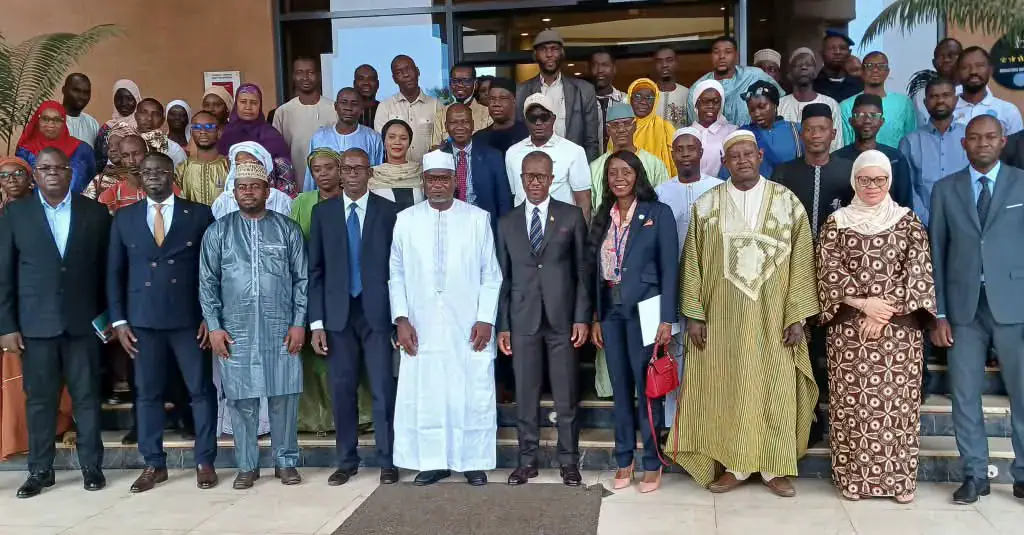
The Malian government celebrated African Statistics Day on November 18, 2026, with a ceremony at the Azalaï Hotel in Bamako. The event, organized by the National Institute of Statistics (INSTAT), brought together several high-ranking officials, including the representative of the Minister of Economy and Finance, Abdoulaye Traore, and the Director General of INSTAT, Dr. Arouna Sougane. The celebration aimed to raise awareness about the significance of statistics in economic and social development.
This year's theme, "Institutionalizing water and sanitation statistics for sustainable and climate-resilient development in Africa," underscores the need for reliable data to inform public policies. In his opening speech, Abdoulaye Traore emphasized the importance of having up-to-date and accurate data to guide decision-making, particularly in the water and sanitation sectors. He called for strengthening the national statistical system and improving coordination among relevant structures.
Dr. Arouna Sougane highlighted Mali's efforts to enhance its statistical system, including financing statistical activities and household surveys. He noted that over 80% of Malian households have access to clean water, but disparities exist between urban and rural areas. The Director General of INSTAT stressed that statistics are not an expense but a strategic investment, urging increased collaboration among technical services, local authorities, and partners.
The representative of ECO-STAT, Marie Consolle Mukangendo, recalled the crucial role of statistics in decision-making and combating climate change effects. She praised INSTAT for publishing Mali's first Environmental and Climate Change Statistical Yearbook. Modibo Koly Keita, President of the Malian Statistical Association (AMSTAT), emphasized promoting a statistical culture and strengthening the community of statisticians in Mali.
Keita invited professionals, researchers, and students to join AMSTAT, stressing the need to measure inequalities in access to essential services. He argued that statistics should not only count the people served but also help measure access inequalities and give a voice to the most vulnerable populations. The event aimed to remind stakeholders that reliable water and sanitation statistics are indispensable for informing public policies and reducing inequalities.
The ceremony was attended by several personalities, including the President of AMSTAT, Modibo Koly Keita, and the representative of ECO-STAT, Marie Consolle Mukangendo. African Statistics Day has been celebrated since 1990 to sensitize decision-makers and citizens to the importance of statistics in development. The day's commemoration in Mali highlights the country's commitment to improving its statistical system and using data for sustainable development.
The event concluded with a call for increased collaboration and investment in statistics to support sustainable development and climate resilience. By prioritizing water and sanitation data, Mali aims to reduce inequalities and improve the lives of its citizens. The INSTAT's efforts to promote a culture of statistics and enhance the national statistical system are crucial steps towards achieving these goals.
Key points
- The ceremony highlighted the need for reliable data to inform public policies, particularly in the water and sanitation sectors.
- Mali's National Institute of Statistics (INSTAT) is working to strengthen the country's statistical system and promote a culture of statistics.
- The celebration of African Statistics Day in Mali emphasized the importance of data for sustainable development and climate resilience.