The Cédéao has launched the Regional Rice Development Program, aiming to reduce West Africa's dependence on imported rice and achieve regional self-sufficiency by 2035. The program, valued at approximately $850 million, brings together 15 countries, including Mali, Burkina Faso, and Niger, which are members of the Alliance of Sahel States. The program focuses on rice production, processing, and marketing, as well as improving agricultural policies and regulatory frameworks.
The program is a partnership between the Cédéao, the African Development Bank, and the AfricaRice Center. It includes a $12 million component for regional policy and regulatory reform, led by the Cédéao, and an $8.5 million allocation for regional technical assistance from AfricaRice. An additional $9.44 million is dedicated to climate change adaptation interventions. The program aims to increase opportunities for producers, agribusinesses, and other actors in the rice value chain.
The participation of Mali, Burkina Faso, and Niger in the program occurs despite their withdrawal from the Cédéao in January 2025. The three countries have maintained some institutional links with the Cédéao, including their membership in the Intergovernmental Action Group against Money Laundering in West Africa. They have also been approved to participate in the Cédéao's Investment and Development Bank as non-regional countries.
Diplomatic exchanges between the Cédéao and the Alliance of Sahel States have continued, with the Cédéao reaffirming its willingness to negotiate collectively with the three countries. In October 2026, the two parties engaged in their first formal negotiations at the ministerial level in Dakar. They agreed to establish joint working groups to prepare a framework agreement on areas of common interest, including trade, free movement of persons and goods, security, and transborder cooperation.
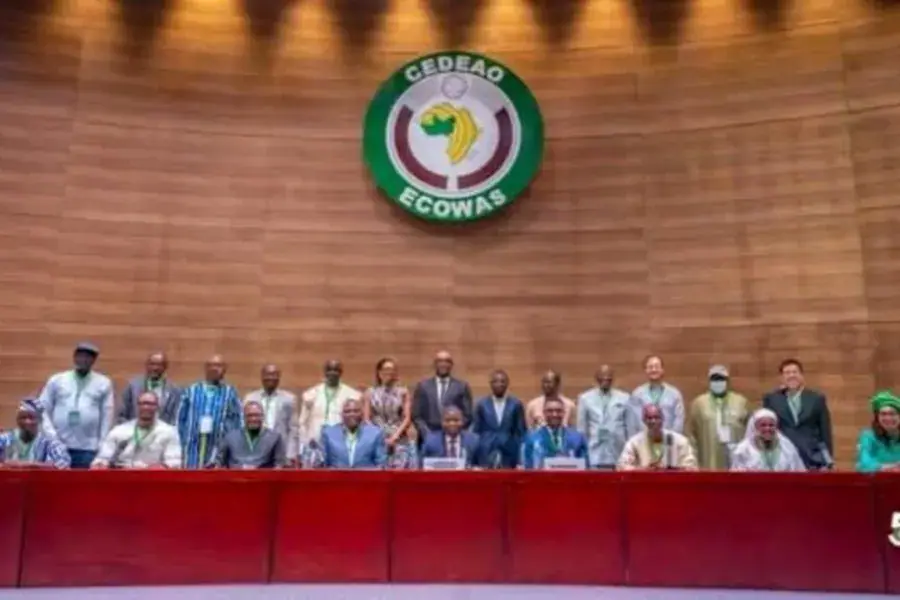
The launch of the Regional Rice Development Program and the establishment of its regional steering committee reflect a dynamic where institutional separation coexists with sectoral cooperation mechanisms between West African countries. The program's implementation will be crucial in achieving regional self-sufficiency in rice production and reducing dependence on imports.
The Cédéao's efforts to engage with the Alliance of Sahel States are ongoing, with a focus on finding mutually beneficial partnerships. The two organizations are working to define a new framework for cooperation, taking into account the changed circumstances following the withdrawal of Mali, Burkina Faso, and Niger from the Cédéao.
The Regional Rice Development Program is a significant initiative aimed at promoting food security and self-sufficiency in West Africa. Its success will depend on effective implementation and cooperation among participating countries, including Mali, Burkina Faso, and Niger. The program's impact will be closely watched, given the region's reliance on imported rice and the need for sustainable agricultural practices.
Key points
- The program aims to achieve regional self-sufficiency in rice production by 2035.
- Mali, Burkina Faso, and Niger participate in the program despite their withdrawal from the Cédéao.
- The program is valued at approximately $850 million.
Reporting sources
- Les trois pays de l’AES associés à un... · Maliweb.net