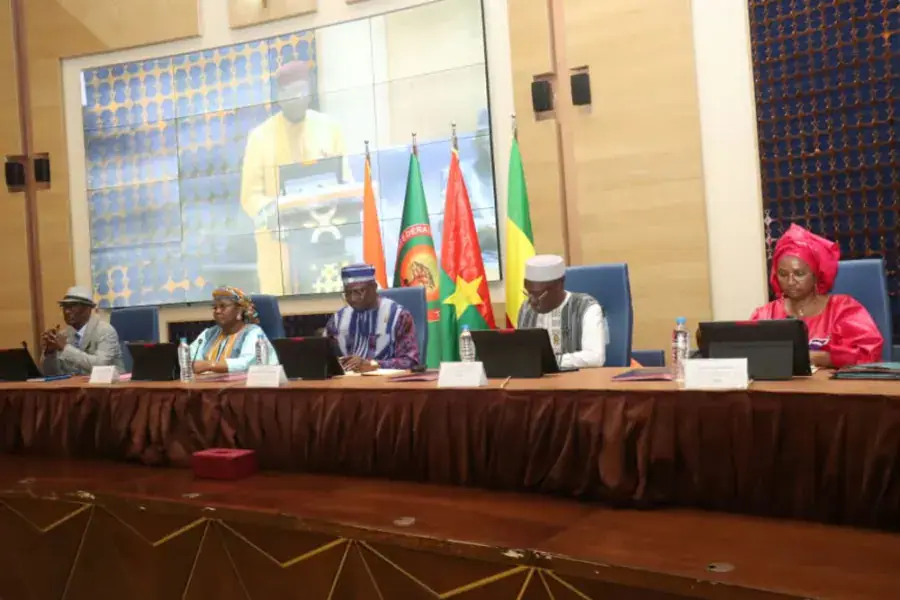
Ministers responsible for Education and Training from Mali, Burkina Faso, and Niger gathered in Niamey on November 10-11, 2026, to validate the framework document and internal regulations for a common education space. This initiative aims to harmonize school programs, promote national languages, improve teacher training, and develop technical and vocational education. The goal is to better meet the qualification needs of young people in the region.
The adopted texts also provide measures to promote inclusive education, particularly for girls, vulnerable individuals, and children affected by security and humanitarian crises. A technical committee will be established to monitor cooperation, with national focal points and a technical secretariat to be designated. A common digital platform is planned to facilitate exchanges between educational administrations.
A program of activities for 2027 will outline the first actions to be taken. The participants emphasized the need to consider the specificities of each national education system in the rapprochement process. The closing ceremony was presided over by Burkinabè Minister of Basic Education, Jacques Sosthène Dingara, who called for the decisions taken to be translated into concrete actions for the benefit of the education systems of the three countries.
Mali was represented at the meeting by Minister of National Education, Amadou Sy Savané, and Minister of National Entrepreneurship, Employment, and Vocational Training, Oumou Sall Seck. This meeting is part of the implementation of the AES roadmap for Year II, which provides for strengthened cooperation between the three states in several areas.
The next ordinary session of the Conference is announced to take place in Burkina Faso, although a date has not been specified. Beyond the adoption of institutional texts, the challenge will now be to concretize this common ambition in the programs, establishments, and training systems of the three countries.
The common education space aims to improve the quality of education and increase access to education for all, particularly for disadvantaged groups. The three countries face similar challenges in the education sector, including security and humanitarian crises that have impacted the education system.
The establishment of a common education space is expected to promote regional integration and cooperation in the education sector. The ministers' meeting in Niamey marks a significant step towards achieving this goal, and the next steps will be crucial in implementing the agreed-upon measures.
Key points
- The three countries have validated the framework document and internal regulations for a common education space.
- The initiative aims to harmonize school programs, promote national languages, and improve teacher training.
- A technical committee will be established to monitor cooperation and implement the agreed-upon measures.