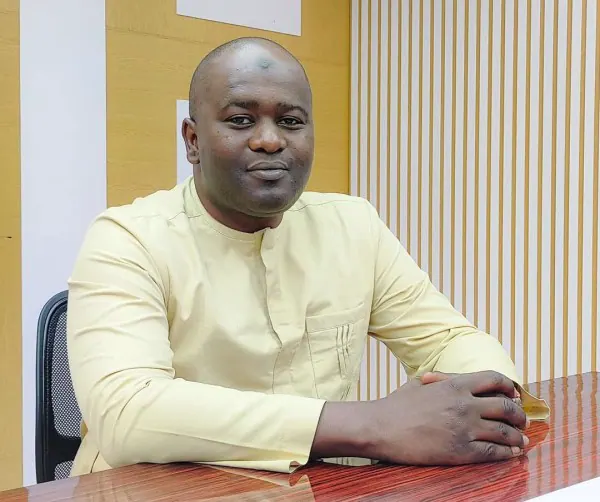
Dr. Ahmadou Touré, director of the Center for Research on Governance, Mediation, and Security in the Sahel, has provided an in-depth analysis of Mali's recent intervention at the United Nations. According to Dr. Touré, Mali's Foreign Minister Abdoulaye Diop presented a clear doctrine that rejects the country's reduction to a mere humanitarian case or a theater for geopolitical instrumentalization. This doctrine emphasizes Mali's autonomy and sovereignty.
The intervention by Minister Diop was marked by a strong denunciation of external interference, particularly from Ukraine, which Mali claims has provided support to terrorist groups operating in the Sahel region. Dr. Touré notes that this interference is seen as a threat to Mali's security and stability, citing recent attacks in April and July 2026. These events, including the tragic ambush that killed the Minister of Defense and Veterans, General Sadio Camara, are viewed as evidence of this exogenous threat.
Dr. Touré highlights that Mali's situation has been presented as a test of African solidarity. The expert emphasizes that the speech targeted the inertia and "complicit silence" of many African capitals, which prioritize a conventional diplomatic narrative over supporting Sahelian populations on the front lines. This criticism underscores the need for a more proactive and supportive stance from the African continent.
The analysis by Dr. Touré also emphasizes the frontal rupture with traditional multilateral rules, particularly within the United Nations. Mali's Foreign Minister has challenged the organization's effectiveness, citing its inability to anticipate crises and its tendency to apply double standards. This stance is linked to Mali's decision to withdraw from the MINUSMA mission and contest a settlement that undermines its sovereignty.
Dr. Touré notes that Mali's new doctrine is based on strategic autonomy and sovereign responsibility. The country is promoting a model that leverages internal resources, local transformation of mining wealth, and massive investment in youth and artificial intelligence. This approach is exemplified by the recent creation of the Mali Artificial Intelligence and Robotics Center, initiated by General Assimi Goïta.
While presenting a clear political contract, Dr. Touré cautions that the success of this doctrine depends on the state's ability to secure and control its territory. The expert outlines three possible outcomes for the region and its partners: consolidation of the Sahel Confederation, reform of the UN Security Council and UNOWAS, or failure of the Sahel Confederation's dual mission of protection and transformation.
Dr. Touré concludes that Bamako has presented a "contract of absolute clarity," and it is now up to Africa to respond to the imperatives of continental solidarity and the UN to prove its relevance. The expert emphasizes that the Sahel region will not be treated as a mere periphery if the UN is willing to reform and engage more effectively with the region.
Key points
- Mali presents a new doctrine of strategic autonomy and sovereignty at the UN.
- The doctrine rejects external interference and traditional multilateralism.
- The success of the doctrine depends on Mali's ability to secure and control its territory.