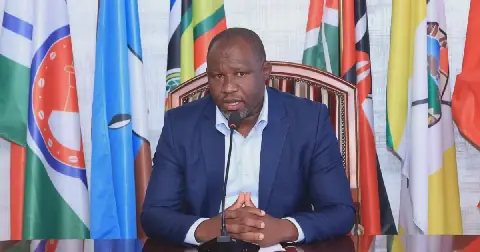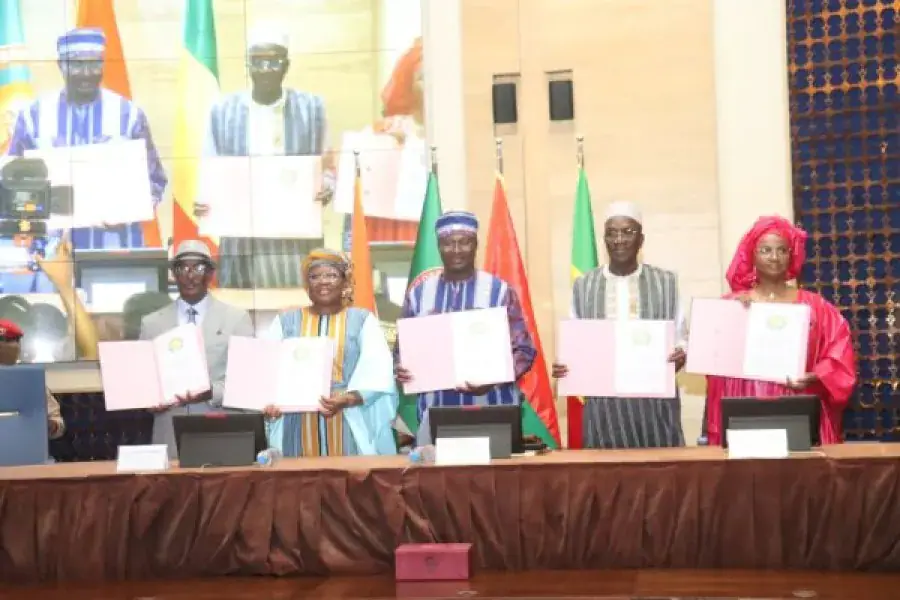
The ministers of education and training from the Alliance of Sahel States (AES) comprising Mali, Burkina Faso, and Niger, convened in Niamey on November 11, 2026. They adopted the framework document and internal regulations of their Conference. Several recommendations aimed at strengthening educational cooperation among the three states were also approved. The meeting's closing ceremony was presided over by Burkinabé Minister of Basic Education, Literacy, and Promotion of National Languages, Jacques Sosthène Dingara.
In his closing speech, Minister Dingara commended the meeting's outcomes. He emphasized that this gathering marks a significant step in concretizing educational cooperation within the AES. Dingara highlighted education and training as essential tools for sovereignty, economic transformation, and endogenous development. He stressed that genuine sovereignty cannot be achieved without quality education and a well-instructed and qualified youth.
The adopted framework documents outline the vision, missions, objectives, and priority areas for cooperation. These include harmonizing curricula, promoting national languages, enhancing teacher training, ensuring inclusive and quality education, and developing technical and vocational training. The ministers also adopted the Conference's internal regulations and decided to establish a technical committee to oversee cooperation.
The ministers formulated recommendations, including the establishment of an experts' committee for the Conference, formal nomination of national focal points, and formalization of the technical secretariat. They also proposed creating a shared digital platform for the AES. The construction of an integrated educational and training space will respect national specificities while promoting policy convergence.
The ministers agreed to develop a 2027 activity program, maintain permanent consultation for monitoring adopted decisions, and continue operationalizing the Conference. The next ordinary session will be held in Burkina Faso at a later date. They reaffirmed their commitment to strengthening solidarity among the three states and promoting educational systems adapted to Sahelian realities.
The ministers emphasized the importance of particular attention to girls' education, vulnerable persons, and children affected by security and humanitarian crises. The conclusions were signed by the delegations and read aloud by Ibrahima Sanon, Secretary General of the Burkinabé Ministry of Basic Education, Literacy, and Promotion of National Languages.
The AES educational cooperation framework aims to create a cohesive educational space among member states. This initiative seeks to improve education quality, promote national languages, and develop technical and vocational training. The next steps include implementing the agreed-upon recommendations and establishing a functional technical committee to oversee cooperation.
Key points
- Ministers from Mali, Burkina Faso, and Niger adopt foundational documents for educational cooperation within the Alliance of Sahel States (AES).
- The adopted documents outline a vision for harmonized education systems, promotion of national languages, and enhanced teacher training.
- The AES aims to create an integrated educational space respecting national specificities while promoting policy convergence.