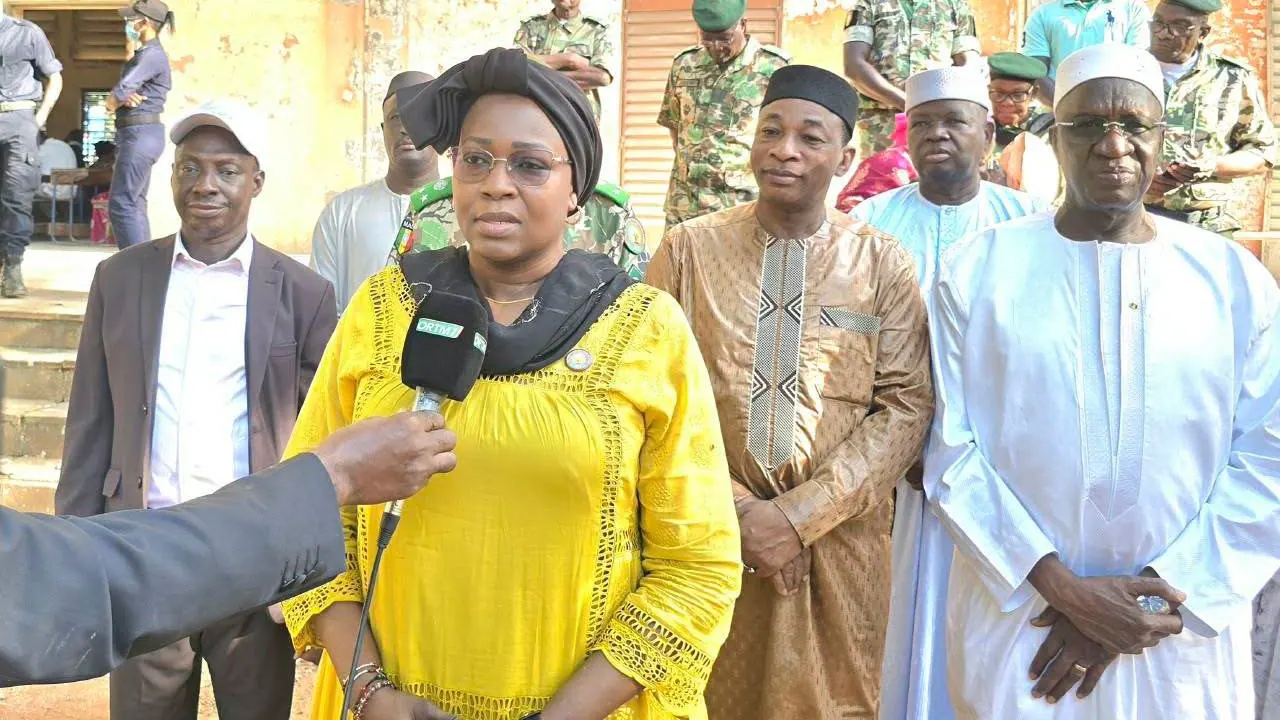
The Malian government has taken a significant step in strengthening its forestry sector with the launch of the entrance examination for the Colonel Jean Djigui Keita Tabakoro Practical Forestry Training Center. The examination, which was launched by Minister of Environment, Sanitation, and Sustainable Development, Doumbia Mariam Tangara, aims to recruit candidates for two training cycles. A total of 887 candidates are competing for spots, with 600 vying for the 2-year Agent Technical in Water and Forestry cycle and 287 for the 4-year Technical cycle.
The examination is being held in six zones covering five regions, including Kayes, Sikasso, Mopti, Tombouctou, and Gao, as well as the Bamako district. The candidates are expected to undergo a rigorous selection process, with government officials emphasizing that only merit and hard work will determine the successful candidates. In line with President Assimi Goïta's instructions, the government has reiterated its commitment to transparency and fairness in the recruitment process, vowing to stamp out favoritism and cheating.
The Tabakoro Forestry Training Center plays a critical role in the country's efforts to preserve its natural resources and combat the effects of climate change. The center's training programs are designed to equip students with the skills and knowledge needed to manage and conserve Mali's forestry and water resources sustainably. By investing in human capacity building, the government aims to promote sustainable development and address the challenges facing the country's environment.
The examination is a significant milestone in the implementation of Mali's national policy on human capacity building in the forestry and environmental sectors. The policy, which is aligned with the country's development goals, seeks to enhance the skills and competencies of professionals in the sector, thereby contributing to the sustainable management of natural resources. The government has expressed its commitment to ensuring that the recruitment process is transparent, fair, and merit-based.
According to the government, the forestry sector is critical to Mali's economic and environmental development. The sector provides employment opportunities, contributes to the country's GDP, and plays a vital role in maintaining ecological balance. By strengthening the capacity of professionals in the sector, the government aims to promote sustainable forest management, reduce deforestation, and enhance the resilience of ecosystems.
The launch of the examination has generated significant interest among candidates, with many expressing their enthusiasm for the opportunity to pursue a career in the forestry sector. The government's emphasis on transparency and fairness has helped to build trust in the recruitment process, with candidates confident that their chances of success depend on their hard work and merit.
The successful candidates will undergo training programs that are designed to equip them with the skills and knowledge needed to manage and conserve Mali's forestry and water resources sustainably. The training programs will cover a range of topics, including forest management, conservation, and sustainable development. Upon completion of their training, the graduates will be expected to play a critical role in promoting sustainable development and addressing the challenges facing Mali's environment.
Key points
- The Malian government has launched an entrance examination for the Tabakoro Forestry Training Center, with 887 candidates competing for spots in two training cycles.
- The examination aims to recruit candidates for the 2-year Agent Technical in Water and Forestry cycle and the 4-year Technical cycle.
- The government has emphasized its commitment to transparency and fairness in the recruitment process, vowing to stamp out favoritism and cheating.