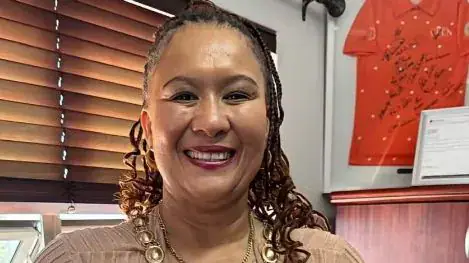
Women legislators in Uganda are urging men to speak out against domestic and gender-based violence, citing cultural expectations of masculinity and fear of ridicule as major obstacles. According to Linda Agnes Auma, the newly elected chairperson of the Uganda Women Parliamentary Association, gender-based violence is not exclusively a women's issue and men who experience physical, emotional or other forms of abuse should seek help and report their cases.
As Uganda marks the 16 Days of Activism Against Gender-Based Violence, Auma emphasized that prolonged abuse and emotional distress can have serious consequences for men's health. She warned that men who conceal abuse are at risk of long-term psychological effects, including trauma and distressing memories. Auma urged male victims to report cases instead of suffering in silence, adding that the law does not discriminate and protects all people regardless of sex, disability or social status.
Auma's call for men to speak out is supported by specialists who caution that childhood sexual trauma can have long-term psychological effects. A 23-year-old man, who was a victim of childhood sexual abuse by a domestic worker, shared his story on condition of anonymity. He recounted that the abuse left him traumatized, affecting his mental wellbeing, sleep and relationships. He said attempts to rest in the afternoon often trigger distressing memories of what happened during his childhood.
The survivor's story highlights the challenges faced by male victims of gender-based violence in Uganda. Despite having what he considers the qualities needed for a relationship, several of his relationships have failed, leaving him struggling with emotional distress. He sought professional help to understand and cope with the psychological effects of the abuse, but had to pretend to get advice from someone else to avoid being known as a victim.
Auma emphasized that gender-based violence legislation protects all people, regardless of sex, disability or social status. She urged men who experience abuse to seek support from authorities and service providers, adding that reporting cases is crucial to preventing further abuse. The UWOPA chairperson's comments are part of a growing effort to raise awareness about the need for men to speak out against gender-based violence.
The issue of male victims of gender-based violence is gaining momentum in Uganda, with many voices pointing out that men conceal abuse because society expects them to be strong and endure suffering without seeking assistance. Specialists warn that this stigma can have serious consequences for men's health, including long-term psychological effects and trauma.
As the 16 Days of Activism Against Gender-Based Violence come to a close, Auma's message to men is clear: report cases of abuse and seek help. She emphasized that the law is on their side and that reporting cases is crucial to preventing further abuse. By speaking out, men can break free from the silence and stigma surrounding gender-based violence and seek the help they need to heal and recover.
Key points
- Men in Uganda are urged to report cases of gender-based violence and seek help.
- Cultural expectations of masculinity and fear of stigma are major obstacles to men speaking out against abuse.
- Gender-based violence legislation in Uganda protects all people, regardless of sex, disability or social status.