In Uganda, a significant number of people experience infertility, with the World Health Organization estimating that one in six individuals of reproductive age face this challenge. Male factors contribute wholly or partly to about 45 percent of infertility cases. Despite this, men often bear the brunt of societal stigma and ridicule when they are unable to father children. This has led to a culture of silence and shame surrounding male infertility.
Traditionally, the inability to have children in relationships is often attributed to the woman. However, this perspective overlooks the significant role that male factors play in infertility. The societal expectation that men should be able to impregnate their partners can lead to feelings of inadequacy and low self-esteem among men who experience infertility. This, in turn, can strain relationships and affect men's mental health.
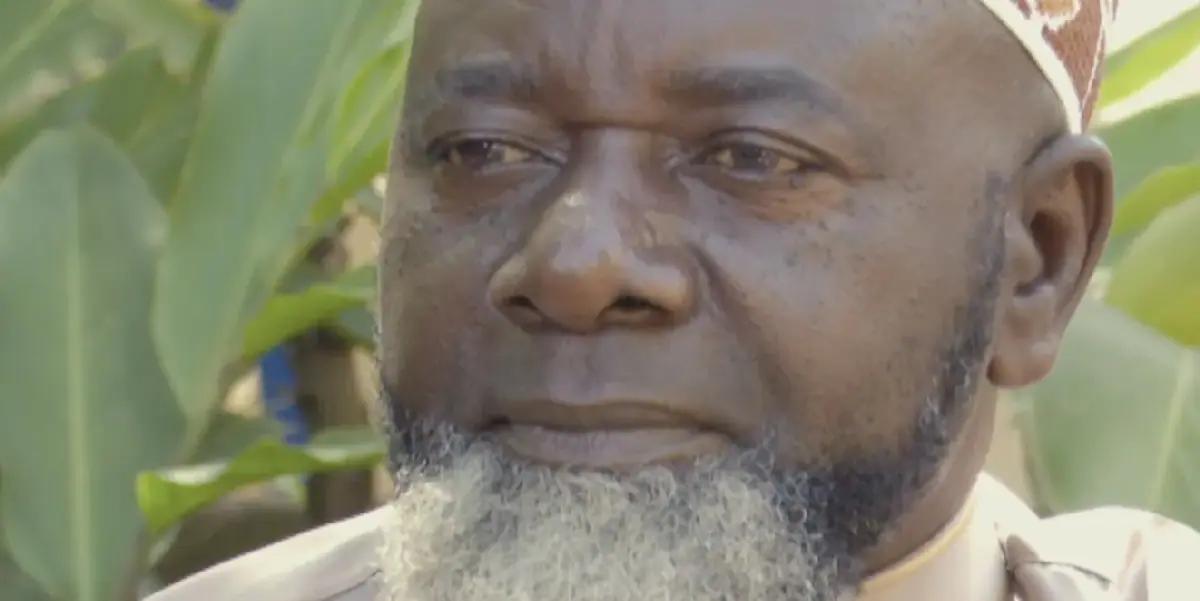
Hajji Elias Etaaya, a father of three, has spoken publicly about his journey to fatherhood, which was marked by failed marriages and societal ridicule. His story highlights the challenges that men face when dealing with infertility. Etaaya's experience is not unique, as many men in Uganda struggle with the stigma associated with male infertility. His decision to share his story aims to raise awareness and encourage others to speak out.
The stigma surrounding male infertility can have severe consequences, including the breakdown of relationships and social isolation. Men often feel pressured to keep their infertility a secret, fearing that their partners or society will judge them. This can lead to feelings of loneliness and depression. Furthermore, the lack of open discussion about male infertility hinders efforts to address the issue and provide support to those affected.
In recent years, there has been a growing effort to raise awareness about infertility and its effects on individuals and relationships. Health experts and advocacy groups are working to challenge traditional gender roles and promote a more nuanced understanding of infertility. By encouraging open discussion and providing support, these efforts aim to reduce the stigma associated with male infertility and improve the well-being of those affected.
The Ugandan healthcare system is also taking steps to address infertility. Medical professionals are being trained to provide counseling and treatment for infertility, and there is a growing recognition of the need for a more comprehensive approach to addressing the issue. This includes providing support for men and women experiencing infertility, as well as promoting education and awareness about reproductive health.
As awareness about male infertility grows, there is hope that the stigma surrounding the issue will decrease. By sharing stories like Hajji Elias Etaaya's and promoting open discussion, individuals and society can work together to create a more supportive environment for those affected by infertility. This can help to alleviate the emotional burden on men and women experiencing infertility and promote a more inclusive understanding of reproductive health.
Key points
- Male factors contribute to 45% of infertility cases in Uganda.
Reporting sources
- The stigma of male infertility · NTV Uganda