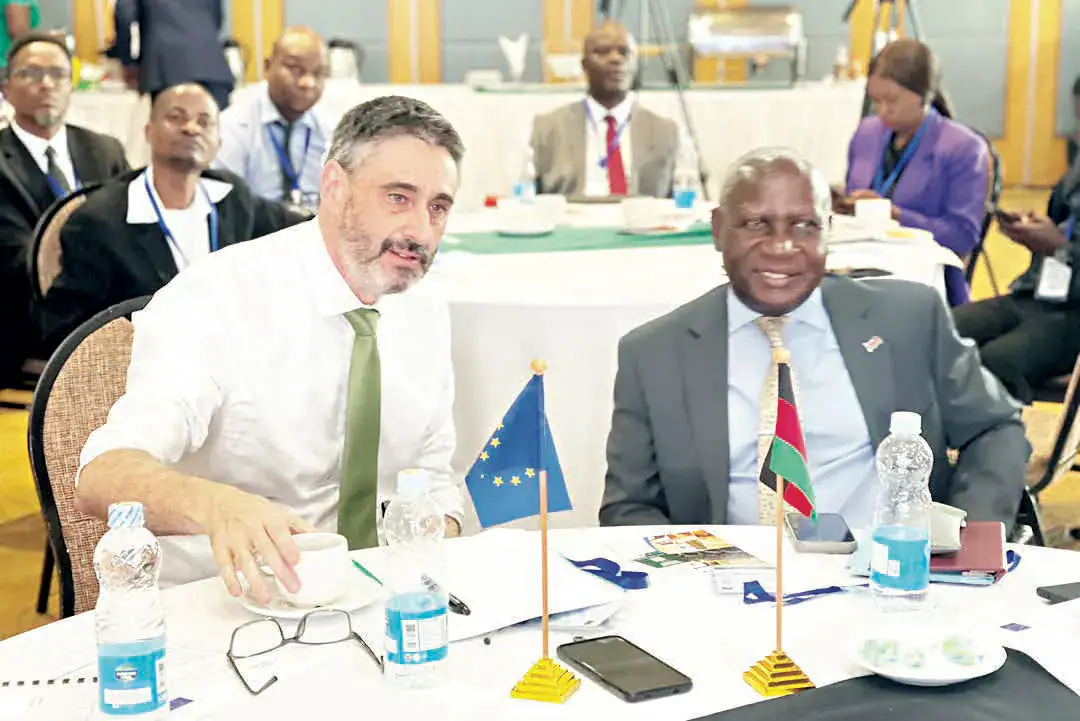
The European Union's Everything But Arms (EBA) initiative, which grants duty-free and quota-free access to the EU market for exports from least developed countries, is celebrating 25 years since its introduction. Malawi, as one of the beneficiary countries, has been urged to rethink its approach to trade and capitalize on the available opportunities under this preferential trade arrangement. This call comes as a reminder for Malawi to maximize its benefits from international trade agreements.
The EBA initiative aims to promote economic growth and development in least developed countries by providing them with enhanced market access. As a sign of its commitment to supporting these countries, the EU has been commemorating 25 years of EBA. During this period, many countries have benefited significantly from the initiative, but Malawi's progress has been limited. Experts argue that Malawi needs to diversify its exports and improve its competitiveness to fully utilize the opportunities provided by EBA.
Aristi-Gaztelumendi, a representative of the EU, has been engaging with Malawian stakeholders to emphasize the importance of maximizing the benefits from EBA. The EU is keen on supporting Malawi in enhancing its trade capacity and improving its business environment. This includes providing technical assistance and capacity-building programs to help Malawian businesses comply with EU regulations and standards.
Despite the potential benefits, Malawi's trade performance has been disappointing. The country's trade deficit has been widening, and its exports to the EU have been limited. In September, Malawi's trade deficit widened to K405 billion, highlighting the need for the country to boost its exports. The EU is one of Malawi's major trading partners, and the EBA initiative provides a significant opportunity for the country to increase its exports.
To capitalize on the EBA initiative, Malawi needs to address several challenges, including improving its infrastructure, enhancing its competitiveness, and diversifying its exports. The country also needs to strengthen its institutions and regulatory frameworks to support trade. The EU is willing to support Malawi in addressing these challenges and unlocking its full potential as a trading partner.
The Malawian government has been urged to develop a comprehensive strategy to promote exports and maximize the benefits from EBA. This strategy should include measures to improve the business environment, enhance competitiveness, and diversify exports. The government should also engage with the private sector and civil society to ensure that everyone is working together to achieve the country's trade objectives.
Malawi has significant potential for growth and development, and the EBA initiative provides a valuable opportunity for the country to increase its exports and promote economic growth. By capitalizing on the EBA initiative, Malawi can reduce its trade deficit, create jobs, and improve the livelihoods of its citizens. The EU is committed to supporting Malawi in achieving these objectives and unlocking its full potential as a trading partner.
Key points
- Malawi urged to rethink trade approach, capitalize on EU's Everything But Arms initiative
- EBA initiative celebrates 25 years, providing duty-free and quota-free access to EU market
- Malawi needs to address challenges, including infrastructure and competitiveness, to maximize EBA benefits