Malawi is facing a severe foreign-exchange shortage, prompting the National Oil Company of Malawi (Nocma) to explore alternative payment terms, currencies, and transport routes to maintain fuel supplies. The state-owned importer has issued a tender for 440,000 metric tonnes of refined petroleum products, seeking innovative solutions to alleviate immediate pressure on scarce US dollars. The tender, which covers ports in Mozambique and Tanzania, invites suppliers to propose alternative payment arrangements, including open credit and collateral arrangements.
The tender lists options for alternative payment arrangements, including payment in currencies such as the euro, South African rand, and British pound. Nocma is also seeking a 180-day credit period, regardless of fluctuations in global fuel prices during the supply contract. This move aims to reduce the strain on Malawi's foreign-exchange reserves, which have been struggling to keep up with the country's fuel demands. Economists, however, caution that these measures may only provide temporary relief.
To maximize the use of local logistics, the tender introduces transport requirements for fuel suppliers. For deliveries through Dar es Salaam, bidders must use the Malawi Cargo Logistics (MCL) fuel depot and transport the fuel exclusively through Malawian transporters. Similarly, fuel arriving through Beira must be transported by Malawian operators, while Nacala consignments are to be moved by rail to the Lilongwe and Blantyre Strategic Fuel Reserves.
The transport requirements have been welcomed by the Transporters Association of Malawi, which has been advocating for the use of local transporters. However, economists argue that the strategy's effectiveness will depend on whether it improves access to foreign currency and lowers logistical costs. University of Malawi macroeconomics lecturer Edward Leman suggests that Malawi should focus on increasing exports to countries from which it imports fuel, potentially allowing some transactions to be settled in local currencies.
Economists Velli Nyirongo and Marvin Banda have expressed mixed views on the strategy. Nyirongo believes that the approach offers greater flexibility in sourcing and payment but may not provide a permanent solution to the dollar shortage. Banda notes that accepting a wider range of currencies could help manage foreign-exchange liquidity but may not generate new foreign exchange. Both economists stress the need for Malawi to strengthen its fiscal discipline and improve its foreign-exchange market.
Consumer rights advocates are calling for a broader foreign-exchange strategy that focuses on increasing exports, productive investment, and tourism receipts. Wazamazama Katatu, a consumer rights advocate, says that consumers will judge the strategy's success by whether it leads to a tangible and sustained improvement in fuel availability. Agness Nyirongo, an economic governance officer, emphasizes the need for a more comprehensive approach to addressing Malawi's foreign-exchange shortages.
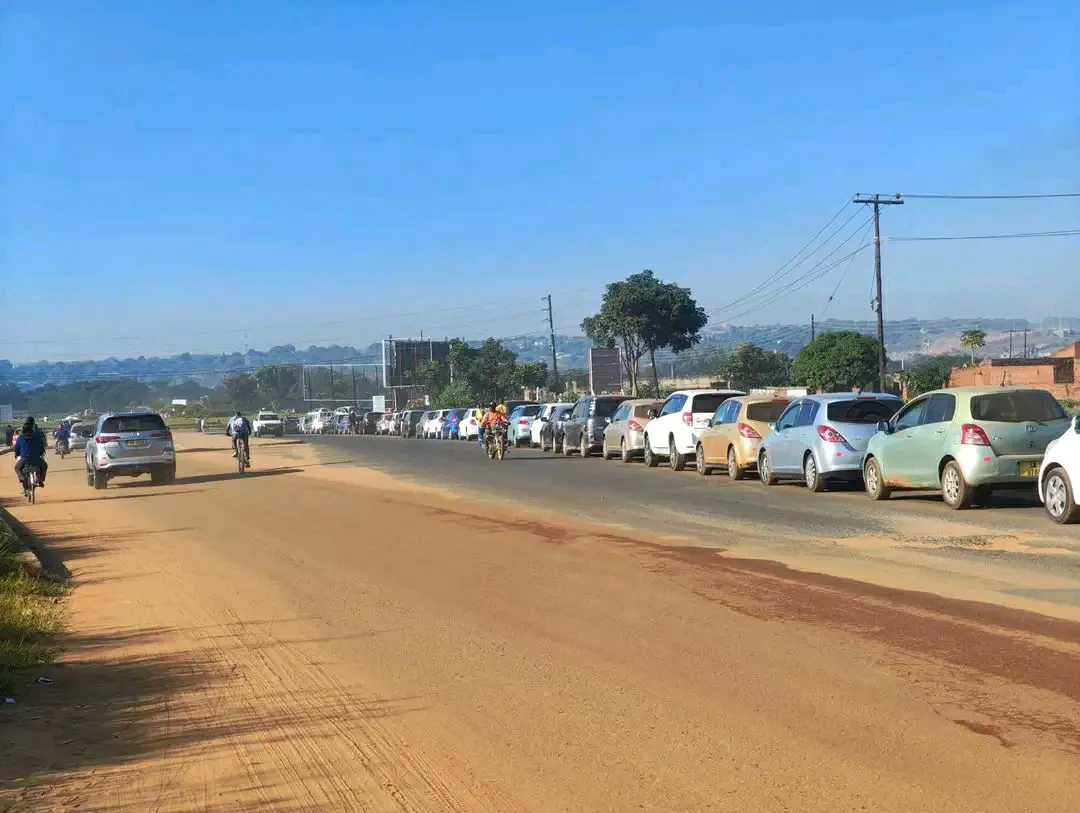
The developments come as fuel queues have resurfaced and are lengthening in parts of Malawi, renewing concerns about the reliability of the country's fuel supply. Malawi consumes approximately one million litres of petrol and diesel daily, translating to roughly 60 million litres of each product a month, or about 720 million litres annually. Nocma's efforts to secure fuel supplies will be closely watched as the country seeks to address its recurring fuel and foreign-exchange shortages.
Key points
- Nocma seeks alternative payment terms, currencies, and transport routes to secure fuel supplies amid Malawi's foreign-exchange crisis.
- Economists caution that the measures may only provide temporary relief and stress the need for a more comprehensive approach to addressing Malawi's foreign-exchange shortages.
- The strategy's success will depend on whether it improves access to foreign currency and lowers logistical costs, ultimately leading to a sustained improvement in fuel availability.