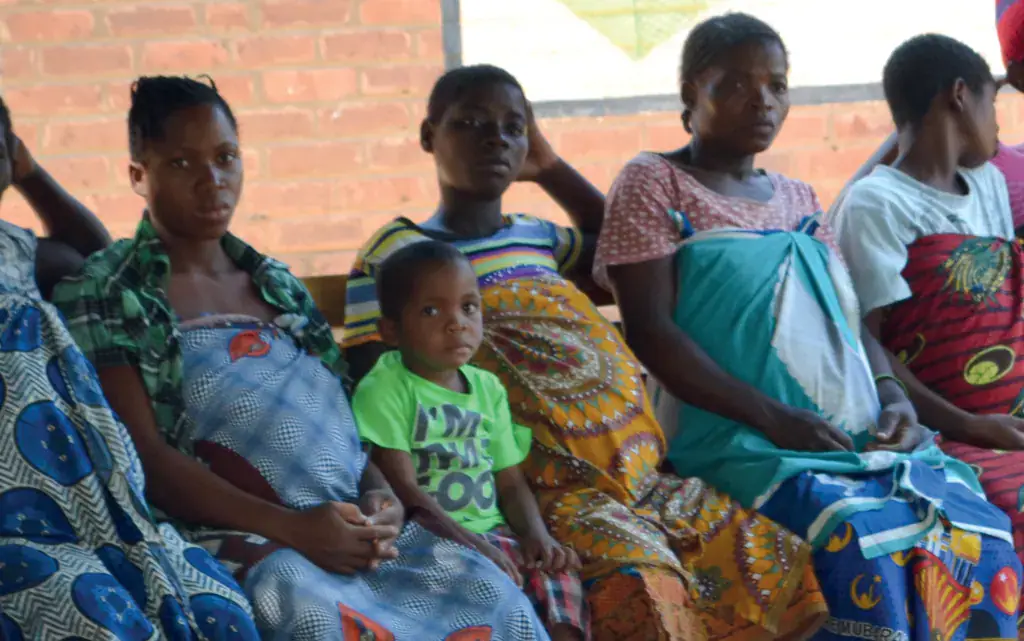
Malawi has made significant strides in improving maternal and child health, according to a recent study by the Kamuzu University of Health Sciences (Kuhes). The study, which covered the period from 2020 to 2025, assessed the country's performance in reproductive, maternal, newborn, adolescent, and child health and nutrition. The findings indicate that 97 percent of pregnant women now deliver in health facilities where trained personnel provide care during childbirth and respond to complications. This progress reflects a notable improvement in the country's maternal health sector over the past five to 10 years.
The study's results were presented in Blantyre on Friday by Kuhes Professor of Epidemiology and Public Health Adamson Muula. Muula noted that Malawi's achievement is remarkable, with only three percent of pregnant women delivering outside of health facilities. He compared this to other African countries, where less than 30 percent of pregnant mothers deliver at health facilities. Muula attributed the success to the country's efforts in improving access to maternal health services. The study's findings demonstrate that Malawi is performing well in terms of maternal health, with a high proportion of women delivering in health facilities.
Another key finding of the study is that more than 90 percent of under-five children are receiving all the recommended immunisations. This indicates significant progress in vaccination coverage, according to Muula. The study's data, which spanned from 2020 to 2025, showed that most districts are achieving national coverage. Researcher Vincent Samuel Phiri noted that while some districts were initially far from achieving national coverage, the gap has been closed by 2024.
Phiri emphasised the importance of pregnant women initiating antenatal care within the first three months of their pregnancy. This early access to essential maternal health services is crucial for ensuring the health and well-being of both mothers and children. The study's findings highlight the need for continued efforts to improve maternal and child health in Malawi. By achieving high rates of facility deliveries and vaccination coverage, the country is making progress towards its health-related Sustainable Development Goals (SDGs).
The Countdown to 2030 study is part of a global initiative to track progress towards the health-related SDGs. Malawi's performance in reproductive, maternal, newborn, adolescent, and child health and nutrition is being closely monitored. The study's findings will inform policy and programming aimed at improving maternal and child health in the country. By understanding what works and what doesn't, Malawi can continue to make progress towards its health goals.
The study's results are a testament to the country's commitment to improving maternal and child health. The government and partners have invested in initiatives aimed at increasing access to maternal health services and improving vaccination coverage. The findings demonstrate that these efforts are paying off, with significant gains in maternal and child health. Continued investment and commitment will be essential for sustaining and building on these gains.
As Malawi continues to make progress in maternal and child health, the country faces challenges in sustaining these gains. The study's findings highlight the need for continued efforts to improve access to essential health services, particularly in rural and underserved areas. By addressing these challenges and building on its successes, Malawi can continue to make progress towards its health goals and improve the health and well-being of its citizens.
Key points
- 97% of pregnant women in Malawi now deliver in health facilities with trained personnel.
Reporting sources
- Malawi achieves maternal health gains · The Nation