In Malawi, poverty remains a significant challenge, denying many citizens access to basic necessities like shelter, food, and clothing. Benson Tchunguye, a 72-year-old breadwinner from Traditional Authority Chisinga in Kasungu District, is one such individual who has struggled to provide for his family. Living with a disability, Tchunguye and his family of seven had been residing in a dilapidated thatched house that offered little protection, especially during the rainy season.
The situation was similar for Godfrey Banda, a 30-year-old father of two from Senior Chief Kaluluma in Kasungu District. Poverty had made it difficult for him to provide his family with decent shelter, emphasizing that protection and security are crucial for contributing to community development. To address such challenges, the Malawian government, with support from the World Bank, introduced the Social Cash Transfer Programme in 2017.
The programme targets vulnerable groups, including people with disabilities, older people, chronically ill individuals, and child-headed households, aiming to reduce poverty, increase school enrolment, and improve household nutrition. Tchunguye and Banda are among the beneficiaries who have seen improvements in their living conditions due to the programme. Tchunguye invested the cash transfers in a small-scale business selling dried fish and tomatoes, which enabled him to buy building materials and pay for brick-making.
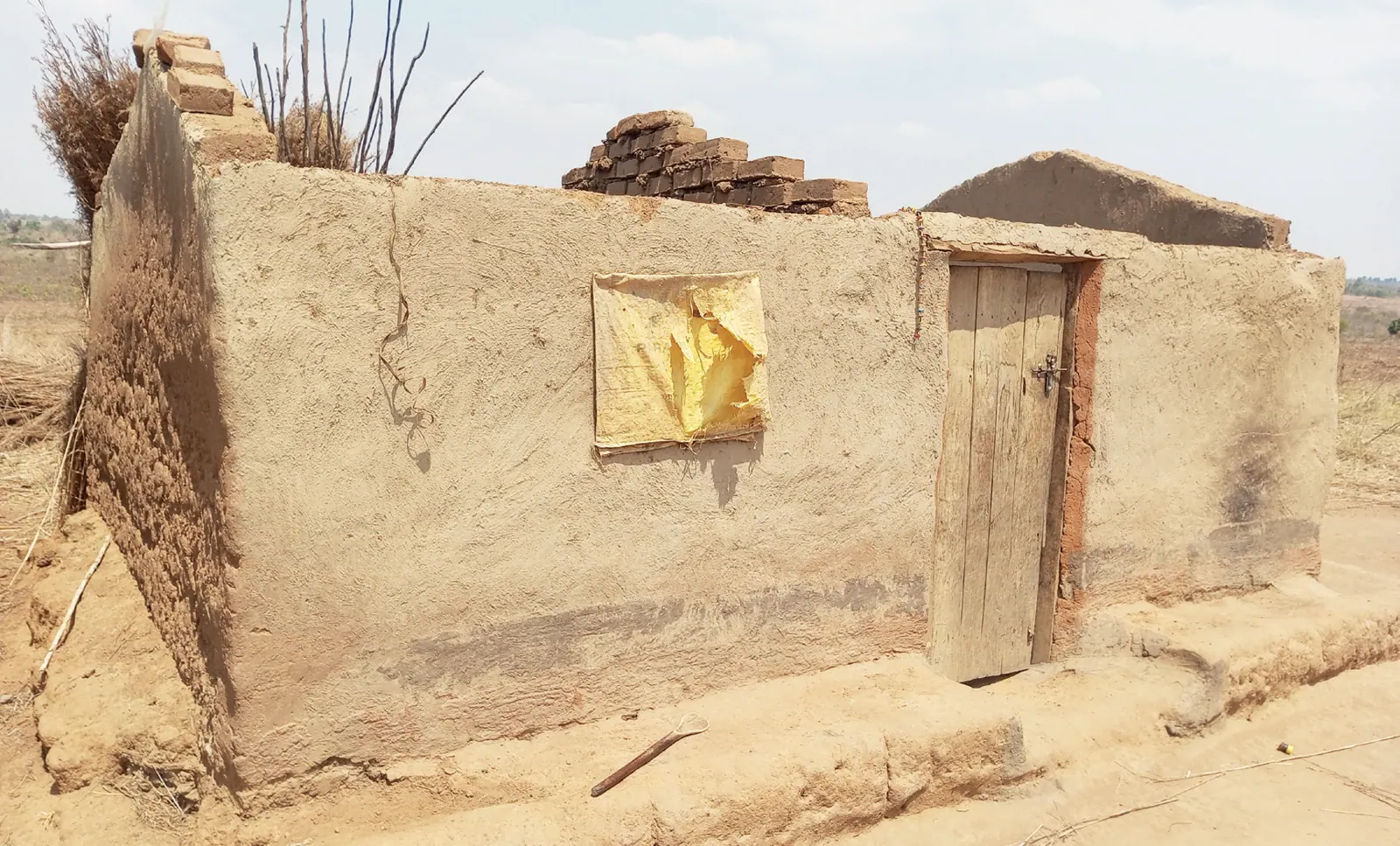
With the profits from his business, Tchunguye has been able to construct a new house that is nearing completion. Additionally, his household has been able to purchase goats for livestock farming, which he hopes will improve their nutrition. His five school-going children have also benefited from the programme, as they have received essential school supplies. Banda, on the other hand, has invested in pig farming and has seen significant improvements in his household's economic circumstances.
Banda has used the programme's support to construct a decent house and expand his small-scale business selling plastic baskets, generating additional income to support his family. Through Village Savings and Loans (VSL) groups, he has learned to save money to support his development plans. According to Kasungu Principal Social Welfare Officer Given Mukisi, the programme seeks to improve the well-being of vulnerable households through poverty reduction, access to education, and better nutrition.
Mukisi stated that monitoring visits have revealed improvements in beneficiaries' living conditions and economic activities, with many transforming their lives through the programme. Some beneficiaries have improved their social and economic status through livestock farming, while others have constructed decent houses with iron-sheet roofs. The department also provides financial literacy education to help beneficiaries manage their money responsibly.
The programme's impact is evident in the lives of beneficiaries like Tchunguye and Banda, who have prioritized their needs, including improving their shelter. As the programme continues to support vulnerable households, it is clear that it is having a positive impact on the lives of Malawians. With the help of the programme, many are making progress and looking forward to a brighter future.
Key points
- The Social Cash Transfer Programme has helped improve the living conditions of vulnerable households in Malawi.
- Beneficiaries have invested in small-scale businesses, livestock farming, and decent housing.
- The programme aims to reduce poverty, increase school enrolment, and improve household nutrition.