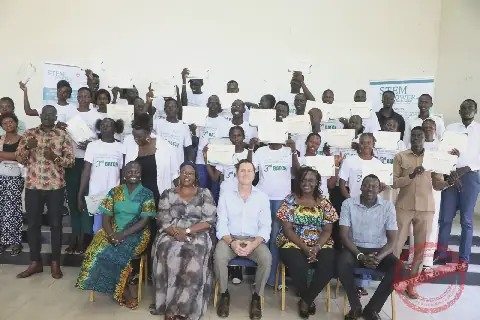
The National Aids Commission (NAC) in Malawi has called an emergency meeting to address pressing concerns surrounding the country's Global Fund Grant Cycle 8 application. This meeting, initially set for last Friday, brings together various stakeholders, including civil society representatives and Country Coordinating Mechanism (CCM) leadership. The urgency of this meeting stems from concerns raised by civil society organisations regarding the ongoing application process, which could impact the continuity of critical healthcare services if not resolved promptly.
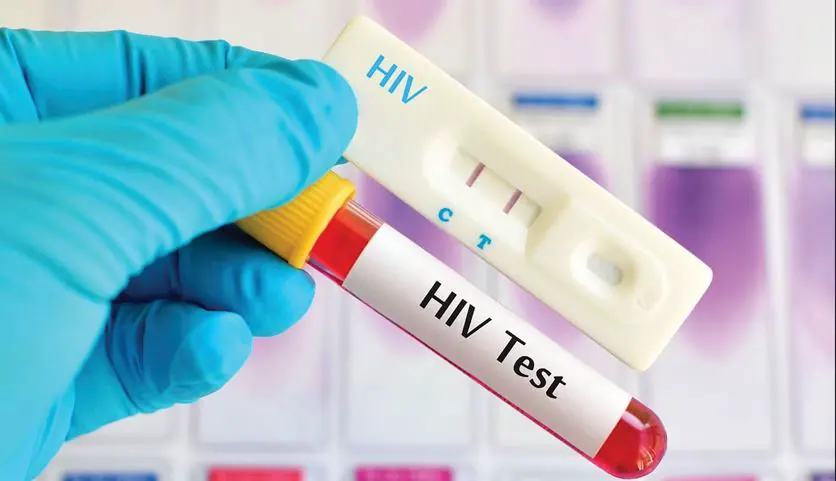
According to NAC executive director Beatrice Matanje, the concerns raised could jeopardise essential HIV, tuberculosis, and malaria services, including antiretroviral therapy for thousands of people living with HIV. The situation is particularly pressing because Malawi is applying through the third and final funding window for the 2027–2030 grant period, which closes on October 4, 2026. The meeting aims to facilitate dialogue and resolve outstanding concerns to ensure the continuity of these vital health services.
The emergency meeting comes against a backdrop of concerns expressed by the Malawi Council of Churches over an impasse that risks causing Malawi to miss out on $437.9 million from the Global Fund to combat Aids, tuberculosis, and malaria. This funding includes $339.6 million for HIV and Aids management, $82.2 million for malaria, and $16.1 million for TB, as well as support for Resilient and Sustainable Systems for Health (RSSH). This amount accounts for over 60 percent of Malawi's disease programme financing.
Since 2002, Malawi has accessed $2.8 billion from the Global Fund, with 80 to 90 percent dedicated to procuring drugs for HIV, TB, and malaria. According to Maziko Matemba, chairperson of the International Coalition on Health Financing Advocacy, the cost to the health system for standard first-line adult regimens averages between $60 to $150 per person annually. This highlights the significant financial commitment required to manage these diseases in Malawi.
The Country Coordinating Mechanism (CCM), acting as the Malawi Global Fund Coordinating Committee, recently voted to replace World Vision International with ActionAid as the principal recipient of the funds. This decision was made with a vote of seven to five. Earlier, the Principal Recipient Selection Committee had selected World Vision for the role. The CCM also decided not to use the Grant Ready Funding Request pathway, which would have retained the existing principal recipients.
Malawi's health sector remains heavily dependent on donor funding, with domestic health spending accounting for about 10 percent of the national budget. This is below the Abuja Declaration target of 15 percent, and per capita spending is far below the World Health Organisation's recommended levels. This dependency underscores the critical importance of securing the Global Fund's support for Malawi's health programs.
The outcome of the emergency meeting and the resolution of concerns surrounding the Global Fund Grant Cycle 8 application will be crucial for the future of HIV, tuberculosis, and malaria services in Malawi. The stakes are high, with thousands of lives potentially affected by the continuity of these essential health services. The meeting's results will be closely watched by stakeholders both within Malawi and internationally.
Key points
- Malawi faces a critical deadline of October 4, 2026, to secure $437.9 million in funding from the Global Fund.
- The National Aids Commission's emergency meeting aims to resolve concerns over the Global Fund Grant Cycle 8 application to ensure continuity of HIV, tuberculosis, and malaria services.
- Malawi's health sector is heavily donor-dependent, with domestic spending at about 10 percent of the national budget, below the Abuja Declaration target.