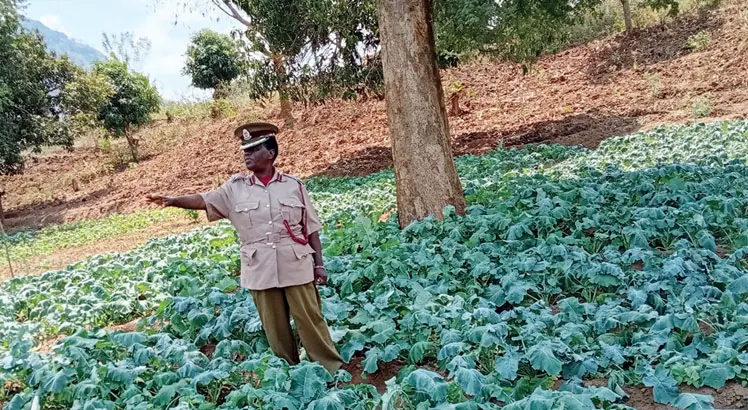
Mwanza Prison in Malawi is facing significant challenges in its agricultural activities due to a shortage of equipment, particularly irrigation pipes and solar-powered water pumps. The prison officer-in-charge, Mary Mbonekera, has made an appeal to well-wishers for support in the form of irrigation farming equipment. This equipment will enable the prison to cultivate its large pieces of land more effectively, potentially allowing for three crop harvests per year.
The prison currently accommodates more than 200 inmates and is involved in various agricultural activities, including maize production, as well as rearing livestock and poultry such as quails, chickens, pigeons, and goats. Mbonekera emphasized that with sufficient equipment, the prison can increase its food production, addressing the current food shortages and generating surplus produce for sale. This initiative will not only support the inmates but also provide income to fund other activities within the institution.
Agriculture policy expert Tamani Nkhono Mvula has expressed support for the initiative, describing it as a good idea that can help mitigate food shortages in prisons nationwide. Mvula suggested that the prison authorities should follow proper channels in seeking assistance, including submitting proposals to the district council and reaching out to well-wishers for support. He believes that equipping prison farms adequately can significantly reduce food shortages.
The appeal by Mwanza Prison highlights the broader issue of food security within correctional facilities in Malawi. Mbonekera specified that the prison is in need of solar panels and long irrigation pipes to facilitate the irrigation of larger areas. This equipment will enable the prison to make full use of its available land, enhancing food production and sustainability.
Increased agricultural production at Mwanza Prison will have multiple benefits. It will help ensure that inmates receive adequate food, reducing the risk of malnutrition and related health issues. Additionally, selling surplus produce can generate a steady income stream for the prison, which can be used to improve facilities, provide better care for inmates, and support other essential activities.
Mvula's advice for the prison authorities to write proposals to the district council and other potential donors is practical and likely to yield positive results. By engaging with local and possibly international organizations, Mwanza Prison may secure the necessary funding and equipment to enhance its agricultural capabilities. This approach can serve as a model for other prisons facing similar challenges.
The efforts of Mwanza Prison to boost its agricultural production reflect a broader strategy to achieve self-sufficiency and improve living conditions for inmates. With the right equipment and support, the prison can become a model for sustainable farming practices in correctional facilities, contributing to food security and economic stability.
Key points
- Mwanza Prison in Malawi needs irrigation equipment to boost food production and address shortages.
- The prison requires solar panels and long irrigation pipes to cultivate its land effectively.
- Increased food production will help inmates and generate income for other prison activities.