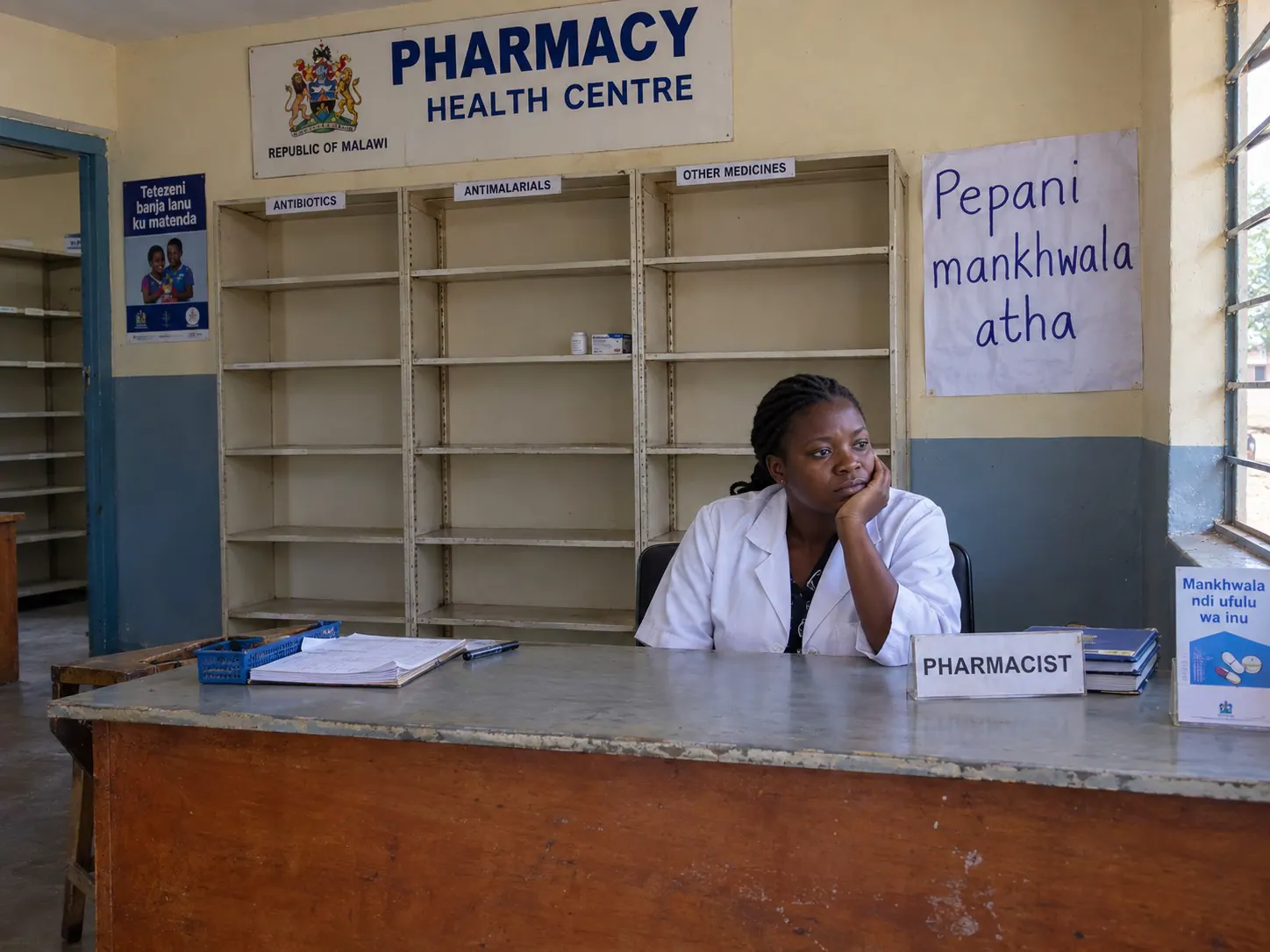
Malawi is grappling with a critical medicine shortage crisis, despite significant budget allocations for healthcare. The 2026/27 national budget allocated K108.3 billion for medicines and medical supplies, with K58.3 billion for central hospitals and K50 billion for district hospitals. Additionally, K20 billion was set aside to clear arrears owed to the Central Medical Stores Trust (CMST). However, by September, CMST reported that only 40 percent of essential medicines were available, down from 51 percent in April.
The shortage of medicines has severe consequences for patients, particularly those who rely heavily on public hospitals and cannot afford private healthcare. A recent case illustrates the plight of many Malawians: a carpenter's wife was rushed to a health center and then a central hospital, where doctors diagnosed her and prescribed medicines. However, the hospital pharmacy had none, and the private pharmacy downtown charged more than the carpenter's weekly wages. This predicament highlights the challenges faced by ordinary Malawians in accessing essential medicines.
The reasons behind the medicine shortage are multifaceted. Malawi imports most of its medicines, leaving the public supply chain vulnerable to chronic foreign-exchange shortages. CMST needs dollars to pay suppliers, while hospitals owe CMST, and CMST owes suppliers. This complex web of debts and shortages has resulted in suppliers withholding supplies, further exacerbating the crisis. The Government's own budget acknowledges that central and district hospitals owe CMST for medicines previously drawn from the Trust.
Research on Malawi's medicine supply chain has identified lengthy procurement processes, delayed deliveries, unpredictable funding, and hospitals exceeding allocations as contributors to the shortages. Furthermore, the country's dependence on imported medicines makes the system susceptible to forex crises. To address these challenges, the Government must ensure that medicine funding moves through the system on time, predictably, and transparently.
The shortage of medicines has significant implications for the poor, who are least able to absorb the cost when the public system fails. For them, a stockout can become a sentence, forcing them to seek alternative, often costly, options. The crisis extends beyond medicines, with surgical gloves also in short supply, prompting some hospitals to divert drug budgets to private suppliers.
To mitigate the crisis, the Government must address CMST arrears, secure forex for essential imports, tighten procurement and distribution, and publish information on budgeted, purchased, delivered, and distributed medicines. Additionally, reducing Malawi's dependence on imported medicines by promoting local production could make the system less vulnerable to future forex crises.
Ultimately, the medicine shortage crisis in Malawi is not merely a procurement problem but a poverty problem. Until the Government ensures that medicines reach those who need them, increasing allocations and producing impressive speeches will not suffice. For many Malawians, the answer remains: "Come back tomorrow," a response that, unfortunately, is not a medicine, and for some, may be too late.
Key points
- The Malawian government allocated K108.3 billion for medicines and medical supplies in its 2026/27 national budget.
- The country's medicine supply chain is vulnerable to chronic foreign-exchange shortages due to its reliance on imported medicines.
- The shortage of medicines disproportionately affects the poor, who are least able to afford alternative, often costly, options.