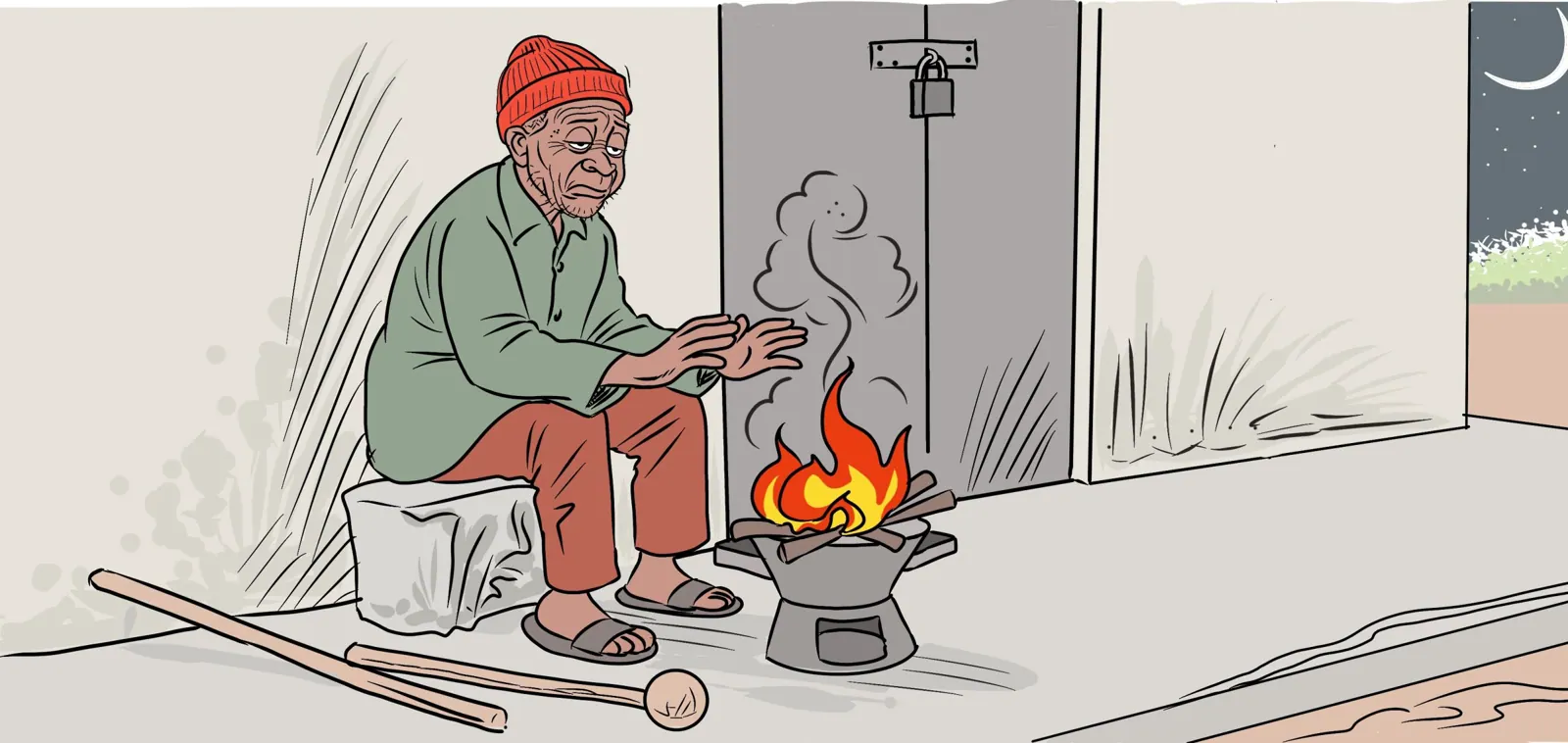
The employment of elderly men as private security guards in Malawi has raised eyebrows, with many questioning their suitability for the job. These men, often in their 60s and 70s, can be seen trekking to their shifts in the morning and evening, clad in heavy overcoats and woolen hats, and carrying bags containing basic necessities like maize flour and relish. Their advanced age has sparked concerns about their health and energy levels, which may not be up to the demands of the job.
In many parts of the world, elderly men in their 60s and 70s are considered senior citizens who require care and support from their families and society. They are often retired from active work due to diminished functionality, and some even suffer from dementia or are regarded as a threat to society. However, in Malawi, they are being entrusted with multi-million kwacha of assets, raising questions about the confidence in this segment of society.
The author of the article, Caroline Somanje, has expressed her confusion about the trend, likening it to children entrusting chores and responsibilities to their aging and ailing parents. She wonders who is to blame - the employers or their families, especially children and grandchildren. Somanje also questions what drives these old men to seek employment when they should ordinarily be at home resting.
Some of these elderly security guards combine two jobs, working as guards at night and gardeners during the day, walking long distances to make a living. This has raised concerns about their exposure to health hazards, as they are often required to sleep outside in the cold, rain, or heat. The retirement age of 65 has also been questioned, with many wondering if it applies to security guards.
Employers have been accused of opting for cheap labor by hiring elderly men, creating a false sense of security. The law governing the employment of security guards has also been questioned, with many wondering if it provides adequate protection for these workers. The families of these elderly men have also been criticized for not taking care of them, forcing them to seek employment to survive.
The employment of elderly security guards has also raised questions about their ability to respond to emergencies, such as robberies. Their advanced age may make it difficult for them to chase suspects or respond quickly to threats, which could compromise the security of the premises they are guarding.
Ultimately, the issue of elderly security guards in Malawi highlights the need for a comprehensive review of labor laws and policies governing the employment of older workers. It also underscores the importance of providing care and support for senior citizens, rather than forcing them to work in jobs that may be hazardous to their health.
Key points
- The employment of elderly men as private security guards in Malawi has raised concerns about their ability to perform the job effectively.
- Employers have been accused of opting for cheap labor by hiring elderly men, creating a false sense of security.
- The law governing the employment of security guards has been questioned, with many wondering if it provides adequate protection for these workers.