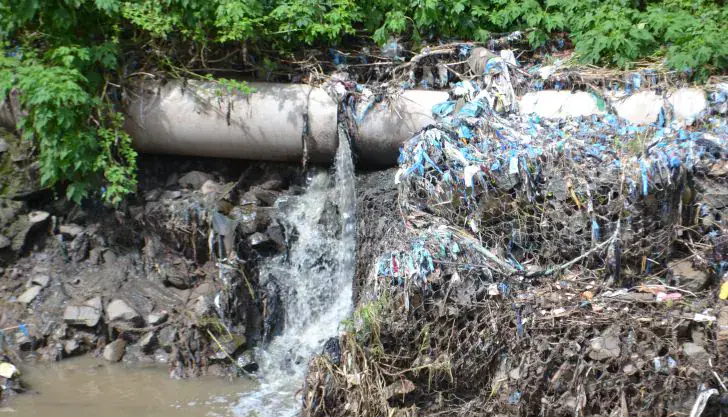
Blantyre City, Malawi's commercial capital, recently marked its 150th anniversary, but celebrations were overshadowed by the city's severe environmental degradation. The city's rivers, including Mudi, Nasolo, and Naperi, are choked with waste from homes and industries, making water pollution a significant concern. A mix of weak law enforcement, unsanitary culture, and a constrained city council has contributed to the city's environmental challenges.
The city's rapid population growth, now approximately one million people, has put immense pressure on its sanitation, drainage, and waste management systems. Blantyre began as a Scottish missionaries' settlement in the Shire Highlands in the late 1890s and has since grown into a bustling commercial center. However, this growth has not been matched with adequate infrastructure, leading to significant environmental concerns. Residential areas have spread rapidly, putting greater pressure on the city's services.
A 2011 United Nations Human Settlements Programme profile identified rapid population growth, weak physical planning, and inadequate urban services as key factors behind the city's environmental challenges. The city's lack of purpose-built waste management systems and the public's seeming indifference to proper waste disposal have exacerbated the problem. Many residents admit to dumping waste in rivers for convenience, while others blame the lack of reliable waste collection services from the council.
Centre for Environmental Policy and Advocacy executive director Herbert Mwalukomo attributes the problem to a lack of proper waste management systems, starting at the household level. He notes that some residents fail to manage their waste properly, and the city council lacks the facilities and tools to collect and manage waste generated by its growing population. Mwalukomo urges Malawians to start sorting and managing waste responsibly, while the city council invests in improving garbage collection and disposal.
Blantyre City mayor Isaac Jomo Osman has intensified campaigns and meetings to tackle the waste crisis, which he blames on population pressure and unsanitary habits. Osman emphasizes the need for collective responsibility to overcome the challenges. In February, President Peter Mutharika ordered all public institutions to improve sanitation and hygiene standards, but the order did not specify sanctions for non-compliance, raising concerns that it may not be effective.
Despite high-level meetings and campaigns, waste continues to flow into waterways, and murmurs are rising among public servants, activists, and ordinary citizens that Mutharika's order may not be implemented effectively. The monthly community clean-up campaign launched by Mutharika's predecessor, Lazarus Chakwera, also appears to have lost momentum. The situation calls for urgent action, as the polluted rivers pose significant environmental and health risks to the city's residents.
As Blantyre looks to the future, it is clear that addressing its environmental challenges will require a concerted effort from residents, the city council, and the government. The city's 150th anniversary serves as a reminder of the need for sustainable development and environmental stewardship. With proper waste management systems, education, and collective responsibility, Blantyre can mitigate its environmental degradation and ensure a healthier, more sustainable future for its residents.
Key points
- Weak law enforcement, unsanitary culture, and constrained city council have contributed to Blantyre City's environmental challenges.
- Rapid population growth has put immense pressure on the city's sanitation, drainage, and waste management systems.
- Effective waste management will require a concerted effort from residents, the city council, and the government.