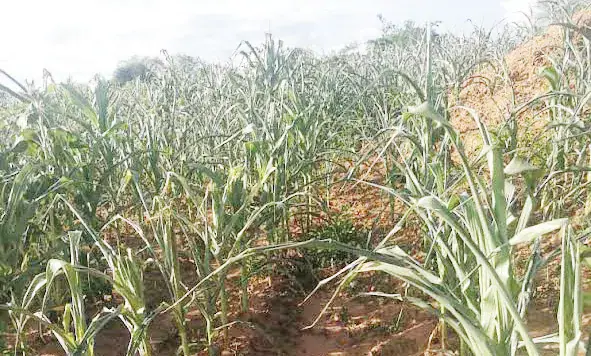
Malawi is bracing for the potential impacts of a Super El Niño, a weather phenomenon that could bring droughts, floods, and crop failures. The country's economy, food security, and livelihoods heavily depend on rain-fed agriculture, making it vulnerable to climate shocks. Recent events, including cyclones, floods, and droughts, have left millions of people vulnerable to food insecurity. The government, private sector, and development partners are working to prepare for the potential effects.
The country's climate vulnerability is a major concern, with a heavy reliance on rainfall for agricultural production. Despite having significant water resources, including Lake Malawi, Lake Chilwa, and the Shire River, much of this potential remains underutilized. Malawi needs to focus on preparedness and prevention, rather than just disaster response. This includes maximizing irrigation-based production, supporting winter cropping, and expanding access to irrigation equipment.
Smallholder farmers are at the center of this effort, with many communities already cultivating crops along riverbanks and wetlands during the dry season. However, their productivity is constrained by limited access to irrigation technologies, finance, and quality inputs. Targeted investment in affordable technologies, such as treadle pumps and solar-powered irrigation systems, could increase food production and reduce dependence on rainfall.
The private sector also has a crucial role to play in strengthening agricultural value chains. Agribusinesses, financial institutions, and seed companies can help support increased production, storage, processing, transport, and marketing. This will help minimize post-harvest losses and ensure that farmers have access to markets.
Preparedness must also extend beyond agriculture, with district councils and disaster management structures updating contingency plans and identifying vulnerable populations. Nutrition programs deserve attention, as climate-induced food shortages have far-reaching consequences for child nutrition, health, and education.
Malawi's development strategy must shift from reactive crisis management to proactive resilience-building. Greater investment in irrigation, water management, and climate-smart agriculture can help break the cycle of drought, food shortages, and emergency appeals. The country's lakes, rivers, and wetlands can help protect against hunger and economic hardship if harnessed effectively.
The time to prepare is now, not when crops have failed or families are already hungry. Malawi has the resources needed, including water, fertile land, and hardworking farmers. The challenge is to mobilize these resources before the crisis arrives. If acted upon, the country can reduce its vulnerability to climate shocks and build a more resilient future.
Key points
- Malawi needs to focus on preparedness and prevention to mitigate the effects of a potential Super El Niño.
- The country's water resources, including Lake Malawi and the Shire River, offer considerable potential for irrigation and year-round agricultural production.
- Smallholder farmers should be at the center of efforts to increase food production and reduce dependence on rainfall.
Reporting sources
- Is Malawi ready for Super El Niño? · The Daily Times