Malawi and India are seeking to deepen their economic relationships, with officials from both countries scheduled to review bilateral trade relations during Foreign Office Consultations in December. This meeting will allow them to assess existing areas of cooperation and identify new opportunities for mutually beneficial partnerships.
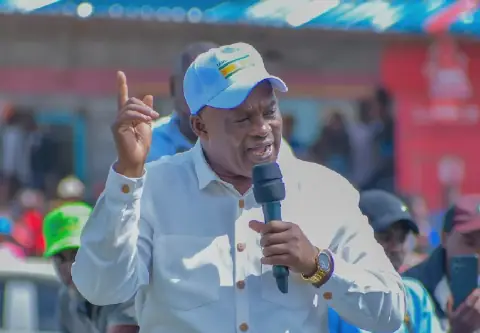
Minister of Foreign Affairs and International Cooperation George Chaponda stated that Malawi is keen to expand economic ties with India and encourage greater private sector engagement. He welcomed the High Commission's efforts to strengthen relations between the two countries, highlighting the upcoming consultations as a chance to review their bilateral cooperation.
Malawi and India have maintained 62 years of diplomatic relations since Malawi gained independence in 1964. Their friendship extends beyond government engagements to cultural and people-to-people exchanges. India High Commissioner Amararam Gujar noted that the Indian community has become an integral part of Malawi's social and economic landscape through its contributions to trade, entrepreneurship, investment, professional services, and philanthropy.
India remains one of Malawi's strategic trading partners, with two-way trade averaging more than $250 million in recent years. Malawi mainly exports agricultural commodities, including tobacco, pigeon peas, and other pulses, while importing pharmaceuticals, machinery, and manufactured goods from India.
In January 2024, the Indian Government extended Malawi's pigeon peas export quota for the 2024/25 marketing season, presenting an opportunity for farmers and the country to boost foreign exchange earnings. This extension followed the removal of a waiver of a 50,000 metric tonnes export quota imposed on Malawi by the Indian Government in 2022.
Despite the potential of pigeon peas as a key export crop, farmers in Malawi have failed to utilize the India market and have called on the government to step in to elevate the crop's status within national agricultural strategies. Farmers' Union of Malawi president Manes Nkhata stated that pigeon pea production has historically received limited attention in Malawi's national agricultural policies and investment plans.
The Malawi government has a wider diversification plan, which involves the intensification of legumes growing to supplement foreign exchange from tobacco, the country's number one forex earner. However, tobacco earnings have been dwindling over the past five years, making it essential for Malawi to explore other export opportunities, such as pigeon peas, to boost its foreign exchange earnings.
Key points
- Officials from Malawi and India will review bilateral trade relations in December to strengthen economic ties.
- The Indian community has made valuable contributions to Malawi's growth and development through trade, entrepreneurship, investment, and philanthropy.
- Malawi's pigeon peas farmers are seeking government support to elevate the crop's status within national agricultural strategies and utilize the India market.
Reporting sources
- India, Malawi eye deeper trade ties · The Nation