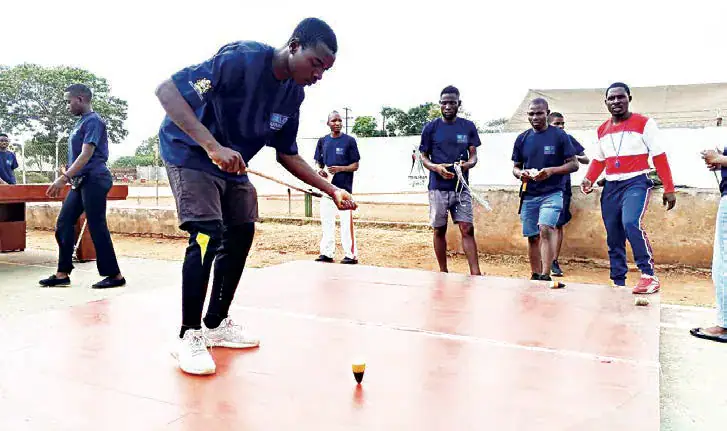
The traditional games festival, dubbed Diversity of Malawi, was held at Kamuzu Institute of Sports in Lilongwe City over the weekend, attracting people of all ages. The event featured traditional games such as Bawo, Nsikwa, Fish-Fish, Fulaye, Phada, Ntchuwa, and Nguli. The festival was presided over by Minister of Youth, Sports and Culture Alfred Gangata, who also participated in some of the games. Traditional leaders also attended the event, which was organized by the Ministry of Youth, Sports and Culture, in collaboration with the Malawi National Commission for Unesco.
The festival aimed to promote Malawi's compliance with the 2003 Convention for the Safeguarding of Intangible Cultural Heritage, which emphasizes the protection, preservation, and promotion of cultural practices, representations, expressions, knowledge, and skills. The convention, which Malawi is a signatory to, recognizes the importance of intangible cultural heritage in maintaining cultural diversity. The festival's organizers hope to make it an annual event to promote intergenerational knowledge transfer and cultural preservation.
The Ministry of Youth, Sports and Culture's spokesperson, Macmillan Mwale, said the festival had set the tone for protecting, preserving, and promoting knowledge passed down from generation to generation. Mwale emphasized that the festival aimed to promote Malawi's cultural heritage and comply with the 2003 Unesco Convention. The convention highlights the importance of safeguarding intangible cultural heritage, including oral traditions, performing arts, social practices, rituals, festive events, and traditional craftsmanship.
The festival featured a range of traditional games that are an integral part of Malawi's cultural heritage. These games included Bawo, Nsikwa, Fish-Fish, Fulaye, Phada, Ntchuwa, and Nguli, which were played by people of all ages. The event provided a platform for participants to learn about and appreciate Malawi's cultural traditions. The festival also showcased the country's rich cultural diversity and provided an opportunity for socialization and community building.
Minister of Youth, Sports and Culture Alfred Gangata, who presided over the festival, emphasized the importance of preserving and promoting Malawi's cultural heritage. Gangata participated in some of the traditional games and encouraged participants to take pride in their cultural traditions. The minister also highlighted the need for intergenerational knowledge transfer, ensuring that cultural practices and traditions are passed down to future generations.
The festival was organized by the Ministry of Youth, Sports and Culture, in collaboration with the Malawi National Commission for Unesco. The event was held at Kamuzu Institute of Sports in Lilongwe City, which provided a suitable venue for the games and activities. The festival's organizers plan to make it an annual event, ensuring that Malawi's cultural heritage is promoted and preserved for future generations.
The traditional games festival in Malawi highlights the country's commitment to preserving and promoting its cultural heritage. The event demonstrated the importance of intangible cultural heritage in maintaining cultural diversity and promoting intergenerational knowledge transfer. As Malawi continues to implement the 2003 Unesco Convention, events like the traditional games festival will play a crucial role in safeguarding the country's cultural practices, representations, expressions, knowledge, and skills.
Key points
- The festival aimed to promote Malawi's compliance with the 2003 Convention for the Safeguarding of Intangible Cultural Heritage.
Reporting sources
- Festival plays back old days · The Daily Times