The Malawi government is courting private-sector investors to upgrade tourism facilities at Kasungu National Park, with the aim of increasing visitor numbers and ensuring that surrounding communities benefit from wildlife tourism. This effort is part of a broader strategy to develop the park, which is a key component of the Kasungu-Malawi-Zambia Transfrontier Conservation Area. The park's development is expected to have a positive impact on the local economy and community.
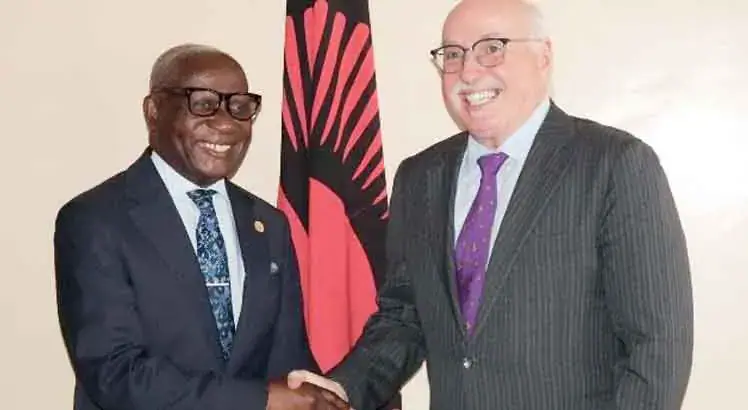
Minister of Industrialisation, Business, Trade and Tourism Simon Itaye recently met with Azzedine Downes, chief executive officer of the International Fund for Animal Welfare (Ifaw). During the meeting, Itaye stated that the government will engage investors to improve lodges and other facilities at the park, while also strengthening destination marketing. This initiative is expected to enhance the overall tourist experience and attract more visitors to the park.
The government plans to renew its partnership with Ifaw for another five years from 2027. The existing partnership, established in 2017, has supported wildlife protection and infrastructure development at the park. Ifaw has contributed significantly to the park's development, including the translocation of 263 elephants from Liwonde National Park to Kasungu National Park in 2022. The park's current elephant population is estimated at 400, pending a study to establish the actual number.
The renewed agreement between the government and Ifaw will set clear plans, measurable milestones, and monitoring mechanisms to ensure that conservation commitments deliver tangible results. This will include a focus on protecting wildlife corridors linking Kasungu National Park to Zambia's wider Luangwa ecosystem. The partnership aims to support biodiversity conservation, sustainable tourism, climate resilience, and community development in line with Malawi's long-term development vision, Malawi 2063.
Ifaw's chief executive officer, Azzedine Downes, reaffirmed the organization's commitment to Malawi, emphasizing that conservation must protect wildlife while improving the welfare of communities living near protected areas. Downes highlighted priorities, including community safety, access to water, climate-smart agriculture, and alternative livelihoods. He also outlined Ifaw's three-pronged approach to tackling poaching, which includes improving ranger welfare and preventive technology, disrupting international wildlife trafficking networks, and reducing demand for ivory through public awareness campaigns.
The partnership between the government and Ifaw has already yielded positive results, including the construction of roads, staff houses, and five executive tents at the park. The government is committed to building on this progress and ensuring that the park's development benefits local communities. By engaging private-sector investors and strengthening partnerships with organizations like Ifaw, the government aims to unlock the park's full potential and make it a major tourist destination.
The development of Kasungu National Park is expected to have a positive impact on Malawi's tourism sector and local economy. With its renewed partnership with Ifaw and plans to engage private-sector investors, the government is optimistic about the park's future. Key priorities for the park's development include community development, conservation, and sustainable tourism.
Key points
- The Malawi government is seeking private investment to upgrade tourism facilities at Kasungu National Park.
- The government plans to renew its partnership with Ifaw for another five years from 2027.
- The partnership aims to support biodiversity conservation, sustainable tourism, climate resilience, and community development in line with Malawi 2063.