Malawi's Democratic Progressive Party (DPP) government has marked its one-year anniversary in power, but the celebrations are tempered by persistent economic challenges. The country is grappling with fuel shortages, scarce foreign exchange, and a lack of essential medicines in public hospitals. These issues were inherited from the previous administration, but the DPP had promised to address them when it took power. The party's return to power was predicated on its ability to improve the economy and provide relief to Malawians.
The fuel crisis is a pressing concern, with queues at filling stations becoming a regular sight. Malawi imports all its petroleum products, and the country's inability to secure enough foreign exchange to finance these imports has led to renewed diesel shortages and erratic petrol supplies. The fuel crisis is, in fact, a symptom of a larger problem - a shortage of dollars. The black market has filled the gap, with diesel selling at prices far above the official pump price. This has significant consequences for transport operators, businesses, and consumers.
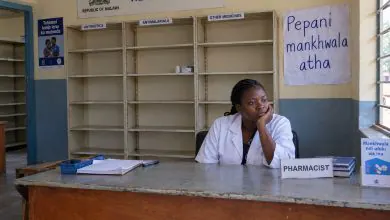
The shortage of foreign exchange is also affecting the healthcare sector, with the Central Medical Stores Trust (CMST) reporting that the availability of essential medicines has fallen to 40 percent, from 51 percent in April. Only 18 percent of essential items are fully stocked at central hospitals. The CMST owes international suppliers about $18 million, and forex shortages are hampering efforts to replenish supplies. This has resulted in a healthcare system that is unable to provide adequate care to patients.
The DPP government has pointed to some achievements, including improved food availability, helped by maize imports from Zambia and a better agricultural season. Food insecurity has been a persistent source of household distress in Malawi, and the improvement in food availability is a meaningful relief. However, the government cannot use one area of improvement to ask citizens to ignore the areas where life remains painfully difficult.
The public is demanding direction and action from the government, rather than excuses. Malawians did not vote for a government that could explain why fuel was unavailable or medicines were in short supply. They voted for a government that had spent years telling them it knew what was wrong and how to fix it. The government must demonstrate that it is committed to addressing the country's economic challenges.
The DPP government's first-year achievements have been mixed, and the party's leaders are aware that they must deliver on their promises. The government has highlighted food security, fuel availability, and free secondary education as key achievements, but these gains must be balanced against the persistent challenges facing the country. The public is looking for tangible results, rather than rhetoric.
As the DPP government begins its second year in power, it faces significant challenges. The party must demonstrate that it is committed to addressing the country's economic challenges, including the shortage of foreign exchange and the lack of essential medicines. The government must also show that it is serious about delivering on its promises and providing relief to Malawians. The honeymoon period is over, and the government must now deliver results.
Key points
- The DPP government's first year in power has been marked by persistent economic challenges, including fuel shortages and scarce forex.
- The shortage of foreign exchange is affecting the healthcare sector, with a lack of essential medicines in public hospitals.
- The government must demonstrate that it is committed to addressing the country's economic challenges and delivering on its promises.