The Malawi government has acknowledged the economic hardships facing the country, including acute fuel shortages, erratic water supplies, and soaring commodity prices. Minister of Information and Communications Technology Shadric Namalomba addressed journalists in Blantyre, urging citizens not to panic and assuring them that the government is working to ease the foreign exchange crunch and stabilise the economy. He attributed the prolonged fuel dry spell to a combination of external shocks and structural bottlenecks.
Namalomba claimed that motorists in the Northern Region were already accessing fuel without queuing, and that steady supplies were now being extended to the Central and Southern regions. He cautioned motorists against panic-buying, hoarding, and smuggling fuel across borders, warning that law enforcement agencies were actively arresting individuals involved in illegal fuel trading. The minister's briefing comes amid mounting pressure on President Peter Mutharika to directly address the nation over the worsening cost-of-living crisis.
To generate sustainable foreign exchange, Namalomba said the government was accelerating agricultural and irrigation reforms alongside structured mining and gold purchases. He projected potential monthly gold earnings of $130 million against a $40 million fuel import bill. The government has temporarily suspended mining licences for review to curb illegal operations and promote organised extraction. Namalomba also disclosed that the government continues to engage the International Monetary Fund (IMF) to secure an economic programme that could unlock broader support from development partners.
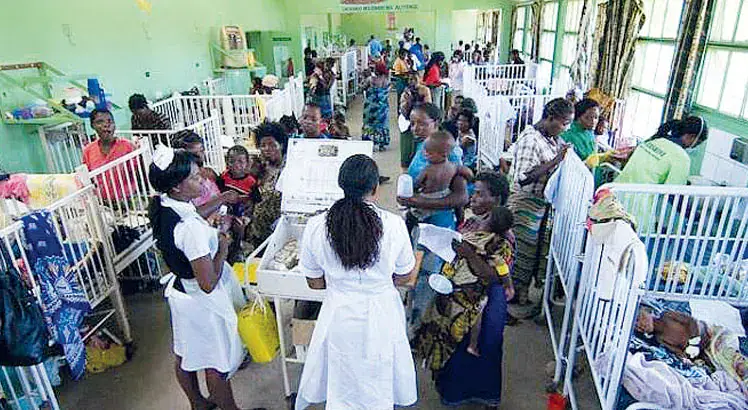
The minister also addressed persistent water supply disruptions, blaming ageing infrastructure, heavy leakages, and sustainability challenges. He noted that ongoing rehabilitation efforts rely partly on World Bank support. Namalomba's remarks come as citizens continue to endure dry fuel pumps, intermittent water and electricity supplies, hiked transport fares, escalating food prices, and shortages of essential medicines in public hospitals.
The Public Affairs Committee (PAC) had urged President Mutharika to speak to Malawians to reassure the public regarding his health, availability, and the country's economic direction. PAC chairperson Monsignor Dr Patrick Thawale stressed that presidential communication was vital to demonstrate leadership during a period of severe national distress. However, Namalomba pushed back against the pressure, maintaining that Mutharika would address the nation at his own chosen time.
Namalomba questioned PAC's moral authority and legitimacy, claiming the quasi-religious body's mandate expired in 2022 and pointing out that its recent statement was unsigned. His remarks echoed an earlier response from Democratic Progressive Party (DPP) secretary general Peter Mukhito, who challenged PAC to substantiate its insinuations of presidential incapacitation and interference with the First Vice-President's constitutional duties.
Other stakeholders, including UTM Party president Dalitso Kabambe and Centre for Human Rights and Rehabilitation (CHRR) executive director Michael Kaiyatsa, have joined calls for Mutharika to address the nation and outline concrete, time-bound relief interventions. They warned that both households and businesses are suffocating under the current economic strain, and urged the government to accept responsibility and treat citizens' struggles with urgency.
Key points
- The government has promised relief measures to ease the suffering of citizens, including accelerating agricultural and irrigation reforms and structured mining and gold purchases.
- The economic hardships facing Malawi include acute fuel shortages, erratic water supplies, and soaring commodity prices.
- President Peter Mutharika is under pressure to directly address the nation over the worsening cost-of-living crisis.