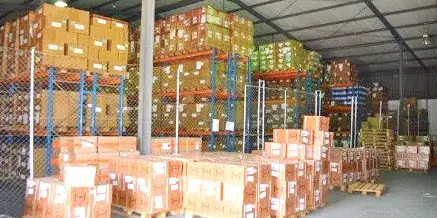
A severe shortage of drugs has hit Malawi's public hospitals, with the Central Medical Stores Trust (CMST) struggling to procure essential medicines from foreign suppliers due to forex shortages. The crisis has prompted the Parliamentary Committee on Health to take action, with Committee chairperson Anthony Masamba announcing that they have the Reserve Bank of Malawi (RBM) on their radar. Masamba expressed concern that the country continues to import second-hand motor vehicles while failing to secure forex for drugs.
According to Masamba, Malawi imports at least 27,000 cars every month, which requires significant forex. In contrast, the country is struggling to allocate forex for drugs, leading to a shortage of essential medicines. The committee wants to understand the contributing factors to this trend and has decided to learn from the RBM on how they manage the importation of cars versus drugs. Masamba questioned the priorities, stating that the committee cannot afford to have a drug shortage when car dealers are managing to import cars.
The drug shortage in Malawi has been persistent since early this year, with the government, through CMST, failing to pay $18 million in debt to foreign suppliers. As a result, medicines' availability in the country is currently at less than 50 percent, with central hospitals facing an even more severe shortage of around 20-25 percent. CMST Chief Executive Officer Moses Chisale attributed the shortage to the trust's inability to pay foreign suppliers, who are holding a significant amount of medicines.
To mitigate the crisis, CMST is prioritizing the procurement of drugs from local manufacturers. Chisale revealed that the trust, together with the Minister of Health, visited local manufacturers to assess their stock, production capacity, and potential arrangements. Following these visits, some manufacturers have started producing medical supplies for the trust. The trust is exploring the contribution local manufacturers can make to their stocks.
The Parliamentary Committee on Health is taking a closer look at the RBM's management of forex allocation, particularly in light of the car's importation versus drug procurement. The committee aims to appreciate the contributing factors to the trend and understand how the RBM can better manage forex allocation to address the drug shortage. Masamba emphasized that the committee cannot afford to have a drug shortage when car dealers are managing to import cars.
The drug shortage has significant implications for Malawi's health sector, with public hospitals facing a severe shortage of essential medicines. The CMST's efforts to prioritize local manufacturers may help alleviate the crisis, but a sustainable solution is needed to address the root causes of the shortage. The Parliamentary Committee on Health's intervention is crucial in finding a solution to this crisis.
The Malawi government faces a pressing challenge in addressing the drug shortage and ensuring that public hospitals have a steady supply of essential medicines. The situation requires a coordinated effort from various stakeholders, including the RBM, CMST, and the Ministry of Health, to find a sustainable solution to the crisis.
Key points
- The Parliamentary Committee on Health has the Reserve Bank of Malawi on its radar over forex shortages affecting drug procurement.
- Malawi imports at least 27,000 cars every month, while struggling to allocate forex for drugs.
- Medicines' availability in Malawi is currently at less than 50 percent, with central hospitals facing an even more severe shortage.
Reporting sources
- Forex hitch chokes drug supply · The Daily Times