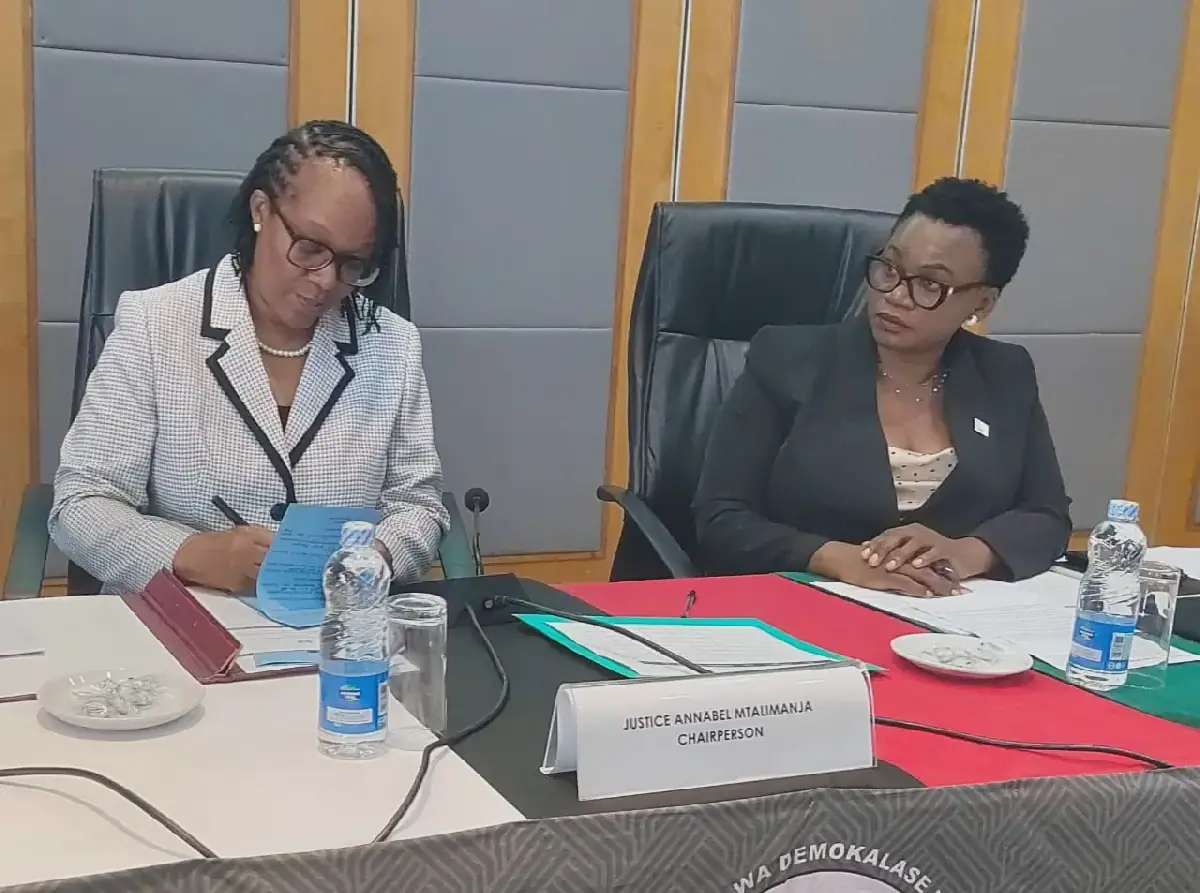
The Malawi Electoral Commission (MEC) is taking a proactive approach to managing electoral threats by developing an Electoral Risk Management Policy and Framework. This move aims to preserve the credibility of elections by identifying and addressing risks throughout the electoral cycle. MEC chairperson Annabel Mtalimanja stated that credible elections are built through meticulous planning, effective institutional coordination, and continuous stakeholder engagement.
The proposed policy will guide the identification, assessment, monitoring, and mitigation of threats such as logistical and operational challenges, cybersecurity threats, and electoral violence. Mtalimanja cited growing dependence on technology and interconnected infrastructure as factors that have made electoral management more complex. The MEC chairperson emphasized that the policy should not become a mere document, but a working tool to ensure effective risk management.
The International Institute for Democracy and Electoral Assistance (International Idea) supports the MEC's efforts, noting that elections are increasingly being conducted in complex and volatile environments. Vera Muring, programme officer for Electoral Processes in Africa and West Asia, highlighted the need for sophisticated and data-informed approaches to risk management. The MEC's 2023-2028 Strategic Plan also identifies institutional risk management as a key component of effective electoral administration.
Civic education organisations, such as the National Initiative for Civic Education (Nice), have a crucial role in raising public awareness of electoral risks and promoting peaceful elections. Christopher Naphiyo, Public Trust civic education and programmes officer, emphasized the importance of civic education in preventing conflicts. The Public Affairs Committee (PAC) also welcomes the framework, seeing it as a tool to identify areas where dialogue and mediation can prevent or resolve conflicts.
The MEC has previously managed electoral risks on an ad-hoc basis, with risk management largely embedded in routine operational processes. However, the new policy aims to shift from reactive to proactive management of electoral threats. Andrew Kamkwalala, MEC acting chief elections officer, noted that the commission's strategic plan prioritizes institutional risk management.
The Electoral Risk Management Policy and Framework are being developed to address various risks, including misinformation and disinformation, coordination failures, and natural disasters. Mtalimanja stressed that the policy will strengthen the commission's preparedness by ensuring potential threats are identified and addressed before escalating into crises. The framework is expected to guide the MEC's risk management efforts throughout the electoral cycle.
The validation workshop in Lilongwe brought together stakeholders to review and provide input on the proposed policy and framework. Mtalimanja urged participants to ensure that the policy is effective and implementable. With the new policy in place, the MEC aims to ensure that elections in Malawi are credible, peaceful, and free from unnecessary disruptions.
Key points
- The Malawi Electoral Commission is developing an Electoral Risk Management Policy and Framework to proactively manage electoral threats.
- The policy aims to identify and address risks such as logistical challenges, cybersecurity threats, and electoral violence.
- The framework is expected to guide the MEC's risk management efforts throughout the electoral cycle.
Reporting sources
- MEC makes shift to avert electoral threats, crises · The Nation