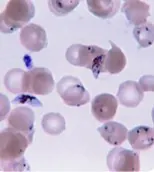
Malaria remains a significant public health challenge in Côte d'Ivoire, with a recent study highlighting gaps in its management. Conducted from September 2024 to January 2025, the prospective observational study involved 16 general practitioners and 310 patients in two urban health centers in Yopougon. The study aimed to assess diagnostic, therapeutic, and follow-up practices for malaria, as well as the knowledge and availability of national guidelines among general practitioners.
The study found that while all participating physicians reported knowing the national guidelines for malaria management, only half had them available at their point of care. This lack of accessibility may have contributed to the observed inadequate use of parasitological confirmation, with only 38.4% of patients undergoing testing. Specifically, 29.4% of patients received rapid diagnostic tests, and 9.0% had thick films with or without blood smears.
The study also revealed that a substantial proportion of patients were treated without biological confirmation, with 61.6% of cases receiving treatment based solely on clinical grounds. For uncomplicated malaria cases, 95.3% of patients received artemisinin-based combination therapy, which aligns with global recommendations. However, five patients with uncomplicated malaria were prescribed injectable artemether, which is not the recommended first-line treatment.
The study highlighted additional concerns regarding antibiotic co-prescription and follow-up appointments. Antibiotics were prescribed to 50.0% of patients, and only 25.2% received follow-up appointments. Notably, none of the 23 patients with severe malaria received injectable artesunate, which is the World Health Organization's recommended first-line treatment for severe malaria.
The study's findings suggest that there is a need for strengthened diagnostics, decision-support tools, and formative supervision to improve malaria management in Côte d'Ivoire. The country's healthcare system must prioritize the availability of national guidelines and ensure that general practitioners are equipped to manage malaria effectively.
According to the World Health Organization's 2025 report on malaria, Côte d'Ivoire continues to face significant challenges in controlling the disease. The report emphasizes the need for countries to adapt and implement effective strategies to combat malaria, including the use of parasitological confirmation, artemisinin-based combination therapy, and structured follow-up.
The study's authors emphasize that addressing these gaps in malaria management is crucial to reducing the disease's impact in Côte d'Ivoire. By improving diagnostic practices, therapeutic approaches, and follow-up care, the country can move closer to achieving global standards for malaria management and ultimately reducing the burden of this major public health problem.
Key points
- Insufficient use of parasitological confirmation in malaria diagnosis.
- Inadequate prescription of first-line treatments for severe malaria.
- Need for strengthened diagnostics, decision-support tools, and formative supervision.