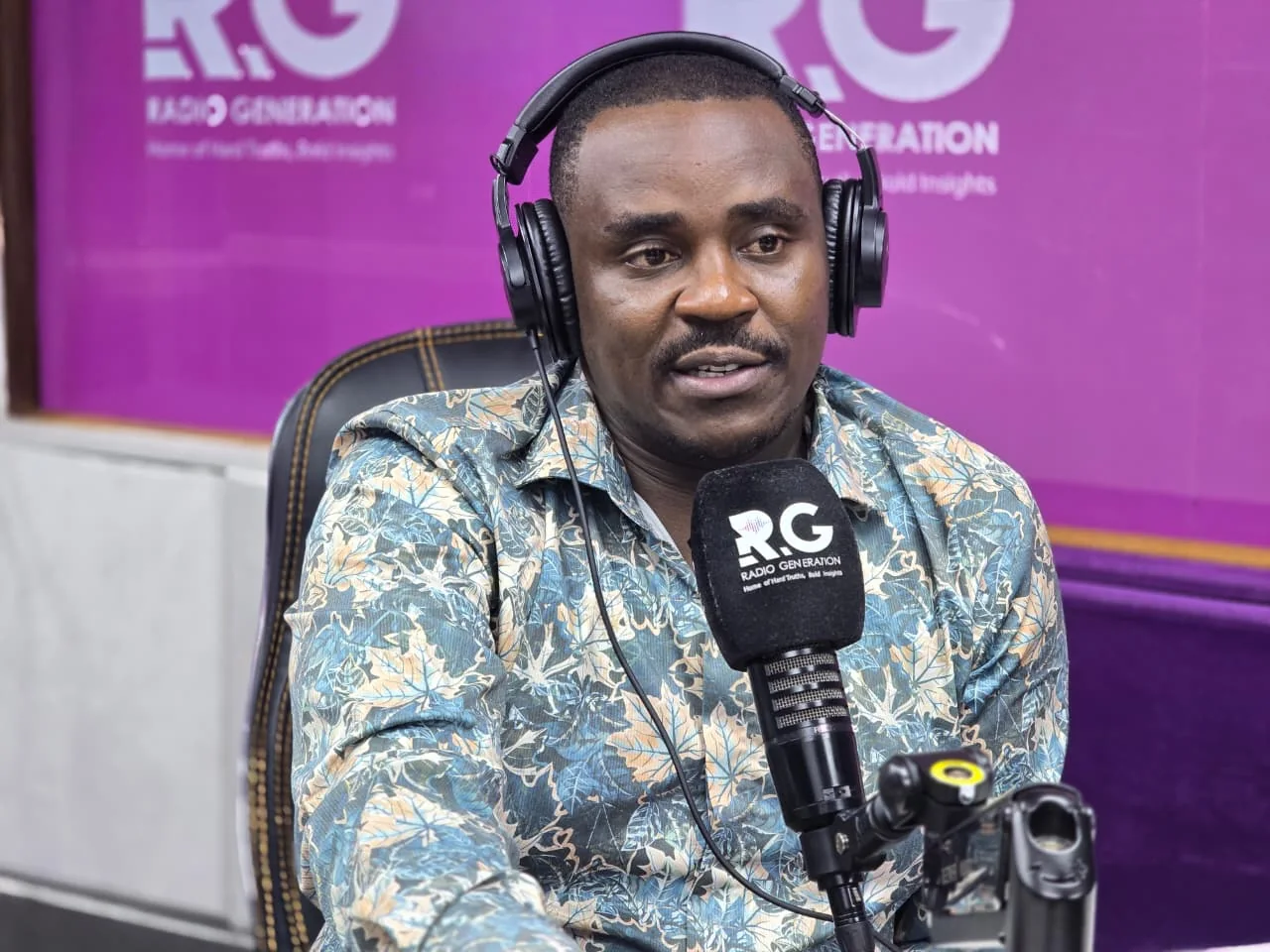
Cleophas Malala, Deputy Party Leader of the Democracy for Citizens Party, has emphasized the need for opposition leaders to provide Kenyans with a clear plan for governing if they want to win support in the 2027 General Election. In an interview with Radio Generation, Malala stated that the opposition should not solely focus on the "Wantam" message, which calls for President William Ruto to serve only one term. Instead, he argued that voters need to know what a new administration would do differently and how its promises would be delivered.
Malala questioned what opposition candidates would offer beyond asking Kenyans to reject Ruto's bid for a second term, stressing the importance of having a clear agenda and specific commitments. He noted that politicians must offer hope and explain how their proposed programs would be financed. Malala's comments come amid efforts by opposition parties and leaders to establish a common political vehicle ahead of the 2027 election, with the "Wantam" slogan emerging as a central objective.
The opposition coalition has presented denying Ruto another term as a key goal, but Malala argued that this message should not be treated as a substitute for a governing program. He called on opposition parties to spell out the specific actions they would take if given the mandate to form the next government. Malala's remarks highlight the need for opposition leaders to develop a practical policy program that goes beyond the "Wantam" message.
Malala has taken part in discussions on how the opposition coalition should share its leadership positions, proposing Nairobi Senator Edwin Sifuna for either the presidency or deputy presidency. In August, Malala publicly supported Sifuna's presidential ambitions and said he would stand with him in the presidential race. He has also argued that Western Kenya should get one of the coalition's two leading positions if the region does not produce the presidential candidate.
The opposition has not yet agreed on a presidential candidate and has not announced a formal process or timetable for selecting its flag bearer. Siaya Governor James Orengo recently stated that opposition parties needed to move from consultations and start building a coalition capable of mounting a united challenge to the Kenya Kwanza administration. Malala emphasized that coalition-building should go hand in hand with the development of a practical policy program.
Malala warned political parties against presenting manifestos with ambitious proposals without showing Kenyans how those plans would be paid for and executed. He used the government's Bottom-Up Economic Transformation Agenda to illustrate the need to focus not only on policy proposals but also on their delivery. Malala suggested that opposition parties should prepare detailed implementation matrices alongside their manifestos.
Such plans, Malala said, should identify funding sources, set out timelines, and explain the practical steps required to turn campaign promises into government programs. He stressed that voters need to see an implementation matrix that outlines how promises will be delivered, saying "Utuambie umesema utajenga barabara kutoka Busia mpaka Singapore. Utuambie budget itatoka wapi?" Malala's comments highlight the need for opposition leaders to provide a clear and actionable plan for governing.
Key points
- Opposition leaders must provide specific commitments and explain how promises would be delivered to win support in the 2027 General Election.
- Cleophas Malala proposes that opposition parties should prepare detailed implementation matrices alongside their manifestos.
- Malala emphasizes that coalition-building should go hand in hand with the development of a practical policy program.