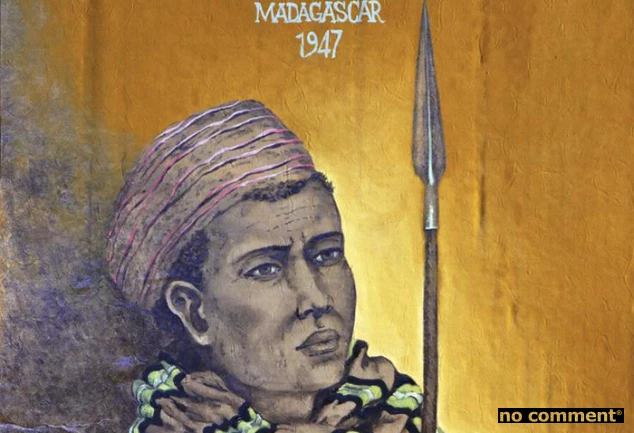
The 1947 events in Madagascar continue to captivate Malagasy filmmakers. After Solo Randrasana's "Ilo tsy very" and Raymond Rajaonarivelo's "Tabataba" in the 1980s, Marie Clémence Paes and Lova Nantenaina have revisited this period in their 2019 documentaries, "Fahavalo" and "Zanaka, ainsi parlait Félix". These films aim to revive patriotism in the younger generation by revealing lesser-known aspects of this pivotal moment in Malagasy history.
The 1947 events were a quest for freedom, a revolt against French colonial rule. The documentaries feature testimonies from veteran fighters, interspersed with contemporary footage, serving as a reminder of this painful and significant period in Madagascar's history. The films encourage reflection on patriotism and its relevance in modern Malagasy society, particularly in the face of ongoing social and political challenges.
The approaches of Paes and Nantenaina differ, but both documentaries convey the importance of this historical event. Their films are part of a broader cinematic tradition that explores Madagascar's complex past. Earlier works, such as "Ilo tsy very" and "Tabataba", were produced during a period of socialist rule and faced censorship due to their portrayal of colonialism.
The production of "Ilo tsy very" and "Tabataba" was marked by obstacles, with the French ambassador at the time criticizing them for lacking objectivity. Despite these challenges, the films have become an important part of Malagasy cinematic heritage. Thirty years later, Paes and Nantenaina have revisited the subject with greater creative freedom, reflecting the evolution of Malagasy cinema over the past decade.
The new documentaries represent a continuation of the cinematic work begun by Randrasana and Rajaonarivelo, who were among the first Malagasy filmmakers to tackle this subject. Their efforts have inspired a new generation of filmmakers to explore Madagascar's complex history and cultural identity.
Annick Sedson, from the Malagasy Film Critics Association (ACCM), notes the significance of these films in preserving and reinterpreting Malagasy history. The documentaries have sparked important discussions about patriotism, national identity, and the role of cinema in shaping public discourse.
The release of these documentaries coincides with a renewed focus on Malagasy culture and history. As the country continues to navigate its complex past and present, films like "Fahavalo" and "Zanaka, ainsi parlait Félix" are likely to play an important role in shaping public debate and reflection.
Key points
- Malagasy filmmakers are revisiting the 1947 events to spark patriotism and reflection.
- The documentaries "Fahavalo" and "Zanaka, ainsi parlait Félix" offer new perspectives on this pivotal moment in Malagasy history.
- The films are part of a broader cinematic tradition that explores Madagascar's complex past and cultural identity.