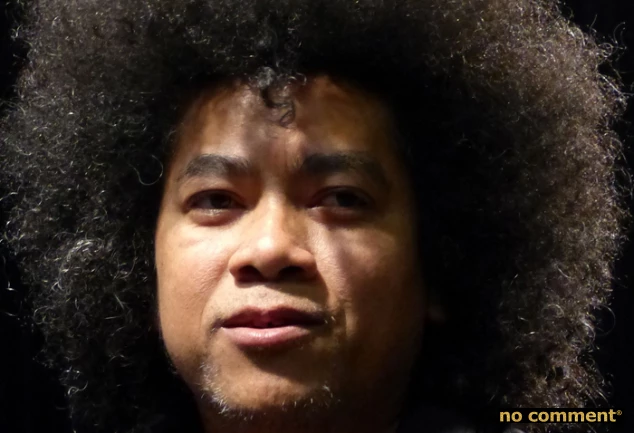
Malagasy author Jean-Luc Raharimanana has recently released his book "Tisser" which delves into themes of memory, history, and culture. The book, published by Mémoire d’encrier in April, is a reflection of Raharimanana's fascination with the importance of textiles in Malagasy culture. He notes that the art of weaving and the significance of lamba and landy in Malagasy society have inspired his writing. Raharimanana's work often explores the interconnectedness of memories, stories, and histories.
Raharimanana's writing process is characterized by a slow and deliberate approach. He explains that his books are not written hastily, but rather are the result of a long period of maturation. "Tisser" is no exception, as it has been a project he has been working on for a long time. The book is written from the perspective of an "enfant-ancêtre" who has not yet been born, but has a deep understanding of the world of the dead and the world of the living. This unique perspective allows Raharimanana to explore complex themes and ideas.
The cover of "Tisser" features a work by Madame Zo, a renowned artist known for her textile art. Raharimanana chose Madame Zo's work for the cover as a nod to her contributions to the world of Malagasy art. He notes that her work had a profound impact on his own writing and understanding of the importance of textiles in Malagasy culture. Raharimanana's decision to pay homage to Madame Zo reflects his deep respect for her art and its significance in Malagasy society.
Raharimanana's work often explores the themes of memory, history, and identity. He believes that understanding and acknowledging the past is essential to building a better future. However, he notes that the Malagasy people have been denied their history and memory due to colonization and a lack of memorial work since independence. Raharimanana's writing aims to reclaim and restore this lost memory, allowing the Malagasy people to better understand themselves and their place in the world.
One of Raharimanana's most notable works is "Madagascar 1947", a book that explores the events of 1947 in Madagascar. The book was a critical success and was adapted into a play by Thierry Bedard. The play, also titled "47", was performed at the Festival d'Avignon and other prominent theaters. Raharimanana's work on "Madagascar 1947" was not limited to the book, as he also created an exhibition titled "Portraits d'insurgés" with Pierrot Men.
Raharimanana collaborated with Tao Ravao on the play "Rano, Rano", which was inspired by the events of 1947. The play was a culmination of Raharimanana's research and interviews with witnesses of the events. He worked closely with Ravao, who also created an album titled "Vazo" inspired by the same events. The play featured music, photography, and video, and was a testament to Raharimanana's commitment to exploring and preserving Malagasy history and culture.
Raharimanana's passion for writing was instilled in him from a young age. He notes that his parents encouraged his love of reading and writing, providing him with access to books and supporting his creative endeavors. Raharimanana's writing is characterized by its unique perspective and commitment to exploring the complexities of Malagasy history and culture. His work continues to be celebrated and recognized both locally and internationally.
Key points
- Jean-Luc Raharimanana's book "Tisser" explores themes of memory, history, and culture in Malagasy society.
- Raharimanana's work often pays homage to Malagasy artists and cultural traditions.
- His writing aims to reclaim and restore lost memory and promote a deeper understanding of Malagasy identity.