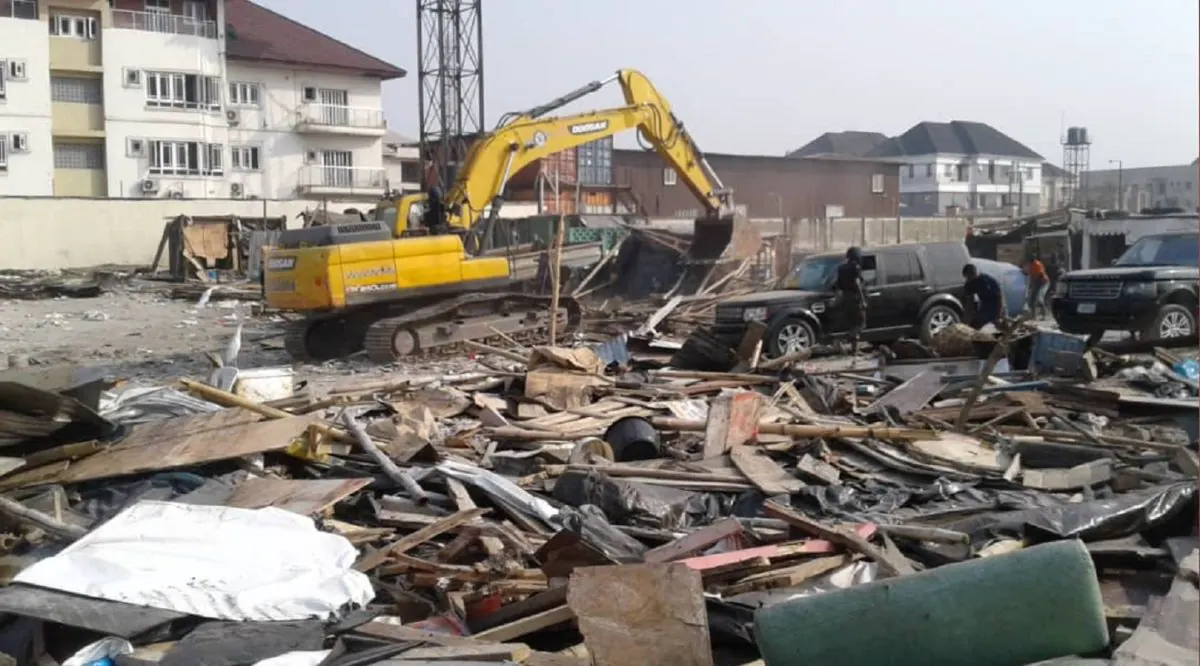
The Benue State Urban Development and Planning Board has come under fire from residents and stakeholders following a recent demolition exercise in parts of Makurdi. The board's actions have been questioned, with many arguing that the demolition of structures on disputed land was premature. Affected residents claim that the properties were situated on land whose ownership remains contested, and that the board should not have proceeded with the demolition before the competing claims were resolved.
The demolition exercise, which was carried out in the Makurdi metropolis, has triggered a wider debate over the limits of the board's mandate and whether disputes over land ownership should be left to institutions traditionally empowered to determine title. Some residents argued that by proceeding with the demolition, the board had effectively assumed a role beyond planning enforcement. The exercise has left some families without shelter and exposed them to severe hardship, particularly during the rainy season.
The affected residents have expressed concern about the humanitarian consequences of the demolition, warning that sudden displacement could expose vulnerable residents to poor living conditions, inadequate sanitation, and health risks. They noted that the demolitions were taking place at a time when Benue State was still contending with displacement caused by insecurity, and that the loss of additional homes could put further pressure on already stretched humanitarian resources.
According to the General Manager of the Benue State Urban Development and Planning Board, Ternongo Mede, the agency did not set out to determine ownership but acted on findings from the Lands and Survey Department. Mede maintained that the board's action was based on planning and development considerations arising from what the authorities regarded as unlawful developments on the land.
The board defended its decision to return to some of the affected sites to complete the demolition of structures that had been only partially removed during an earlier exercise. It argued that leaving damaged buildings standing could pose safety risks. However, residents and other stakeholders continue to question whether an enforcement action of such magnitude should proceed while ownership claims remain under challenge.
The affected residents are pursuing redress through recognised and lawful channels, including engagement with traditional institutions, consultations with relevant government agencies, and possible legal action to challenge the demolition and clarify ownership of the disputed land. Traditional authorities have also commenced efforts to facilitate discussions between the parties.
The controversy is expected to sustain debate over the boundary between urban planning enforcement and land adjudication in Benue State. As the affected residents continue to seek redress, the issue has raised broader questions about administrative powers, due process, and the proper procedure for resolving competing land claims.
Key points
- The Benue State Urban Development and Planning Board's demolition exercise in Makurdi has sparked controversy over its mandate and the procedure for resolving land disputes.
- Affected residents are pursuing redress through traditional, administrative, and legal channels.
- The issue has raised questions about the boundary between urban planning enforcement and land adjudication in Benue State.